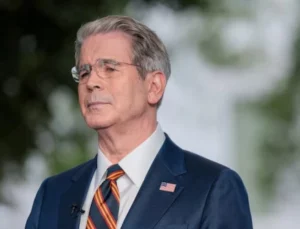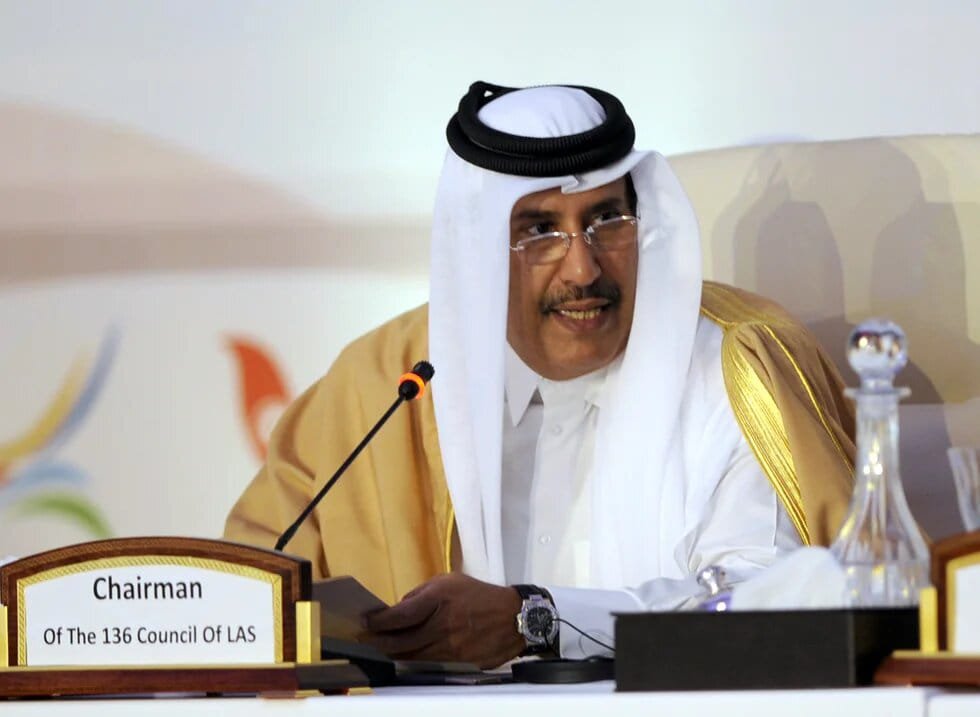

Former Qatari Prime Minister and prominent politician Hamad bin Jassim bin Jabr Al Thani has said that the ongoing war in the region will eventually come to an end, but it carries important lessons for the Gulf countries.
He emphasized that the member states of the Gulf Cooperation Council (GCC) must promote unity, adopt a joint stance, and strengthen cooperation in order to effectively confront future security challenges.
Hamad bin Jassim said that given the seriousness of the situation, Gulf countries should start serious discussions and planning immediately rather than waiting for the war to end. According to him, the Gulf states must resolve their internal differences and further strengthen the GCC to effectively protect the shared interests, sovereignty, and security of member countries.
He also stressed that Gulf nations should urgently begin establishing and developing modern military and electronic defense industries so they can safeguard their populations against any potential aggression. Citing an example, he noted that Iran, despite facing strict sanctions, has developed its missile industry and now possesses significant military capability in the region.
The Qatari leader said that since Gulf countries neither initiated this war nor desired it, and had instead been making diplomatic efforts to reduce tensions between the United States and Iran, the political and economic consequences of the conflict should not be imposed on them. He added that the primary responsibility for the war lies with Israel, which escalated tensions and fueled the conflict in the region.
He further stated that Gulf countries should stand united, whether the matter concerns Israel or Iran. According to him, Iran is a permanent neighbor in the region, and Gulf states must manage relations with it through a clear and balanced strategy despite existing differences, in order to prevent future regional tensions.
Hamad bin Jassim also said that Gulf countries should establish a strong regional alliance that is internally cohesive and maintains close relations with key countries such as Turkey and Pakistan. However, he emphasized that the real strength of Gulf states lies in their own people and the capabilities of their citizens.
About The Author