
Tehran insists institutional strength outweighs loss of key figures amid escalating conflict
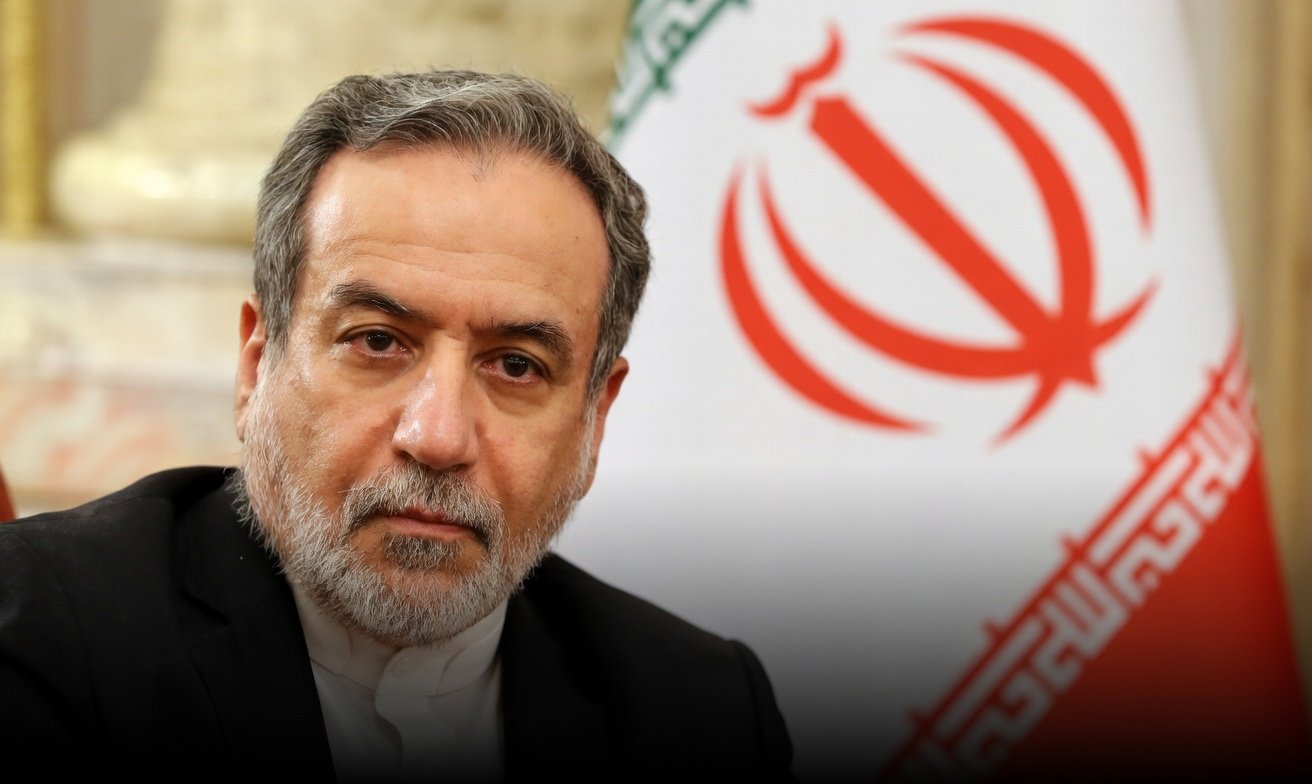
Iran’s foreign minister Abbas Araghchi said the killing of senior official Ali Larijani would not destabilize the country’s political system, emphasizing that Tehran’s governance relies on institutions rather than individuals.
Speaking to Al Jazeera following confirmation of Larijani’s death, Araghchi said the United States and Israel misunderstood the resilience of the Islamic Republic. He stressed that Iran’s political, economic, and social structures are deeply rooted and capable of functioning despite the loss of high-ranking figures.
“Individuals influence events, but the system is larger than any one person,” Araghchi said, adding that even a figure as prominent as Larijani could not cause institutional collapse.
To reinforce his point, Araghchi referenced the earlier killing of Supreme Leader Ali Khamenei, arguing that the state continued operating and quickly filled leadership gaps. He said similar continuity would follow any future losses.
Larijani, 67, was among Iran’s most experienced political insiders, holding key roles across security and governance for decades. His death marks a significant loss within Tehran’s leadership circle.
Iranian media also reported the killing of Gholamreza Soleimani, head of the Basij forces, in what officials described as an attack by “American-Zionist” forces.
Araghchi blamed Washington for the broader conflict, saying the United States should be held accountable for its human and regional costs.
Analysts say Iran’s system is unlikely to collapse from a single assassination, though continued losses could affect internal power dynamics and wartime decision-making.
About The Author