
Fresh military strikes, tanker attacks and escalating disputes over the Strait of Hormuz have intensified tensions between Iran and the United States, raising fears of wider regional instability and disruptions to global energy supplies.
The Gulf conflict intensified on Tuesday as Iran and the United States exchanged fresh military strikes while attacks on commercial vessels heightened concerns over security in the strategically vital Strait of Hormuz.
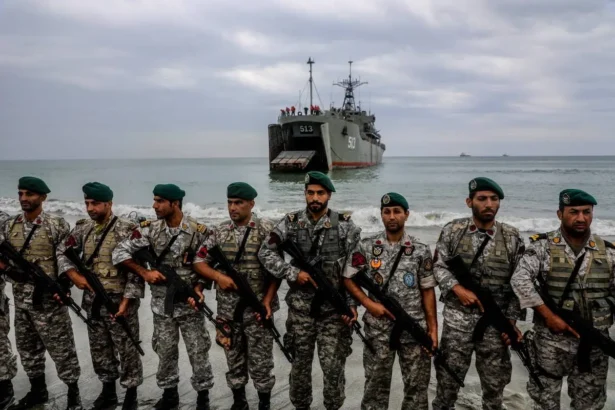
Iranian military spokesperson Brigadier General Mohammad Akraminia declared that the waterway would not reopen through what he described as American aggression, insisting Tehran would continue defending its rights and maintain its position over the strategic passage.
The comments followed US President Donald Trump’s announcement that Washington would restore a naval blockade of Iran and impose a 20% fee on cargo transiting the Strait of Hormuz. Iranian officials rejected the proposal, with Foreign Minister Abbas Araghchi stating that Tehran remains the legitimate guardian of the waterway. The United Nations’ shipping agency also opposed any mandatory transit fees, saying international law provides no legal basis for such charges.
Military operations expanded overnight as Iran claimed to have targeted US military assets in Kuwait using drones and cruise missiles, while also reporting actions against vessels in the strait. Separately, the United Arab Emirates confirmed that two of its oil tankers were struck by Iranian cruise missiles in Omani waters, killing one Indian crew member and injuring eight others.
Additional maritime incidents were reported near Oman and Qeshm Island, while explosions were also recorded across several locations in Iran following reported US strikes. Bahrain and Jordan said their air defenses intercepted incoming Iranian missiles and aerial threats.
The conflict also affected Lebanon, where Israeli strikes continued despite an existing ceasefire, while diplomatic tensions widened after Iran accused the United States of violating previous agreements in a letter to the UN Security Council.
The deteriorating security environment has disrupted regional shipping, with TankerTrackers estimating that around 30 million barrels of Iranian oil remain unable to depart under renewed restrictions. Brent crude rose close to $85 per barrel, while US crude approached $80, reflecting growing market concerns over potential supply disruptions.
About The Author