
IMF warns that a prolonged Iran-related conflict could drive higher inflation, stronger energy shocks, and tighter monetary policy worldwide.
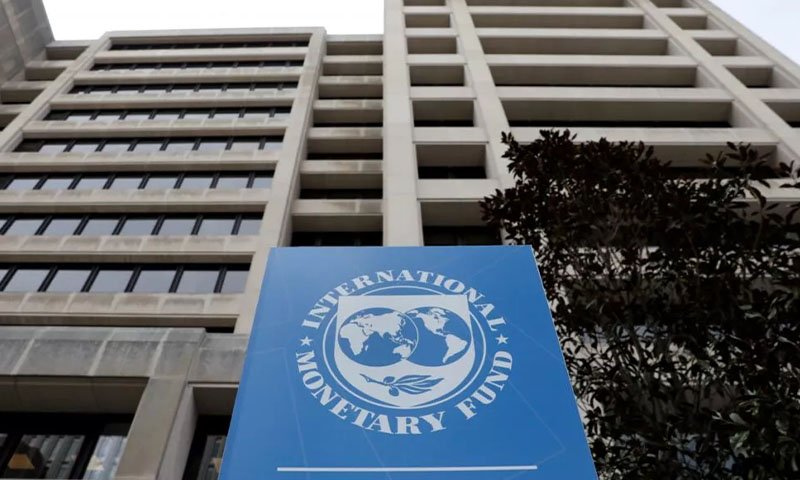
The International Monetary Fund has warned that a prolonged conflict involving Iran and the wider Middle East could force central banks around the world to adopt stricter monetary policies in order to control rising inflation. The warning comes amid growing uncertainty in global energy markets.
IMF Chief Economist Pierre-Olivier Gourinchas said sustained disruptions in energy supplies due to an extended conflict could push inflation higher across multiple economies. He noted that this may require stronger interest rate increases than those seen after the COVID-19 pandemic to keep prices stable.
He added that central banks may need to act more aggressively if inflation expectations become unanchored. Such actions, while necessary for stability, could slow economic growth and increase financial pressure on households and businesses.
Gourinchas stressed that the global economy is not currently experiencing a 1970s-style inflation spiral. He explained that inflation today is more contained and affects a smaller portion of economic activity, while central banks have stronger tools to manage price stability.
He also pointed out that the world’s reduced dependence on oil may limit the severity of future energy shocks compared with previous decades. This structural shift could help cushion some of the impact on global growth.
However, the IMF warned that uncertainty surrounding the conflict is already leading to downgraded global growth forecasts. Persistent high oil prices could further weaken the outlook and increase economic risks worldwide.
In a severe scenario, the IMF said oil prices could rise above 100 dollars per barrel, intensifying inflation pressures and slowing global demand significantly.
Gourinchas emphasized that central banks must closely monitor inflation expectations and respond decisively if wage and price pressures begin to persist across economies.
About The Author