

Rising tensions shake regional stability as Iran missile exchanges intensify and oil markets react
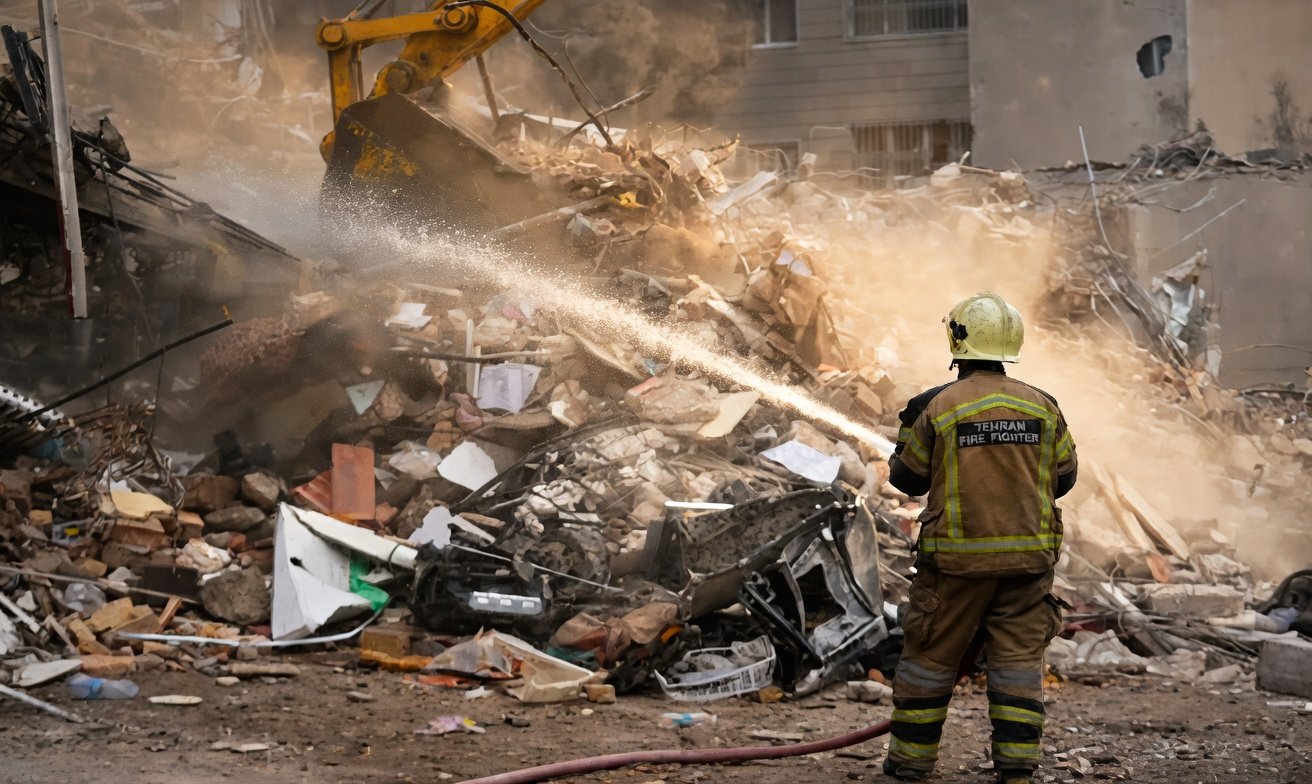
Iran launched multiple waves of missiles toward Israel on Tuesday, triggering air raid sirens across major cities including Tel Aviv, according to Israeli military officials. Air defense systems intercepted several projectiles, with loud explosions reported across urban areas.
No fatalities were immediately confirmed, but Israeli authorities said falling debris from intercepted missiles damaged residential neighborhoods in the country’s north, heightening public concern.
The strikes come amid conflicting narratives over potential diplomacy. US President Donald Trump earlier claimed Washington had held “productive” discussions with Iranian officials aimed at reducing hostilities. He also announced a temporary pause in planned strikes on Iran’s energy infrastructure, though broader US military activity in the region reportedly continues.
Tehran swiftly denied any such engagement. Senior officials, including parliament speaker Mohammad Baqer Qalibaf, dismissed the US statements as misinformation designed to influence global markets. Iran’s Revolutionary Guards Corps described the claims as psychological tactics with no impact on its military posture.
Tensions remain elevated as Iran warns it could disrupt the Strait of Hormuz, a vital artery for global oil shipments, if provoked further. The conflict, ongoing since late February, has already caused significant casualties and raised fears of wider regional instability.
Global oil markets reacted sharply, rebounding after earlier declines tied to diplomatic optimism. Analysts say the situation remains volatile.
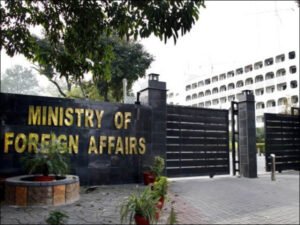
Diplomatic efforts continue quietly, with countries including Pakistan and Gulf states reportedly facilitating indirect communication between the rivals.
About The Author