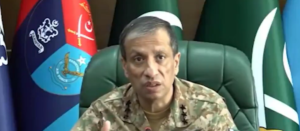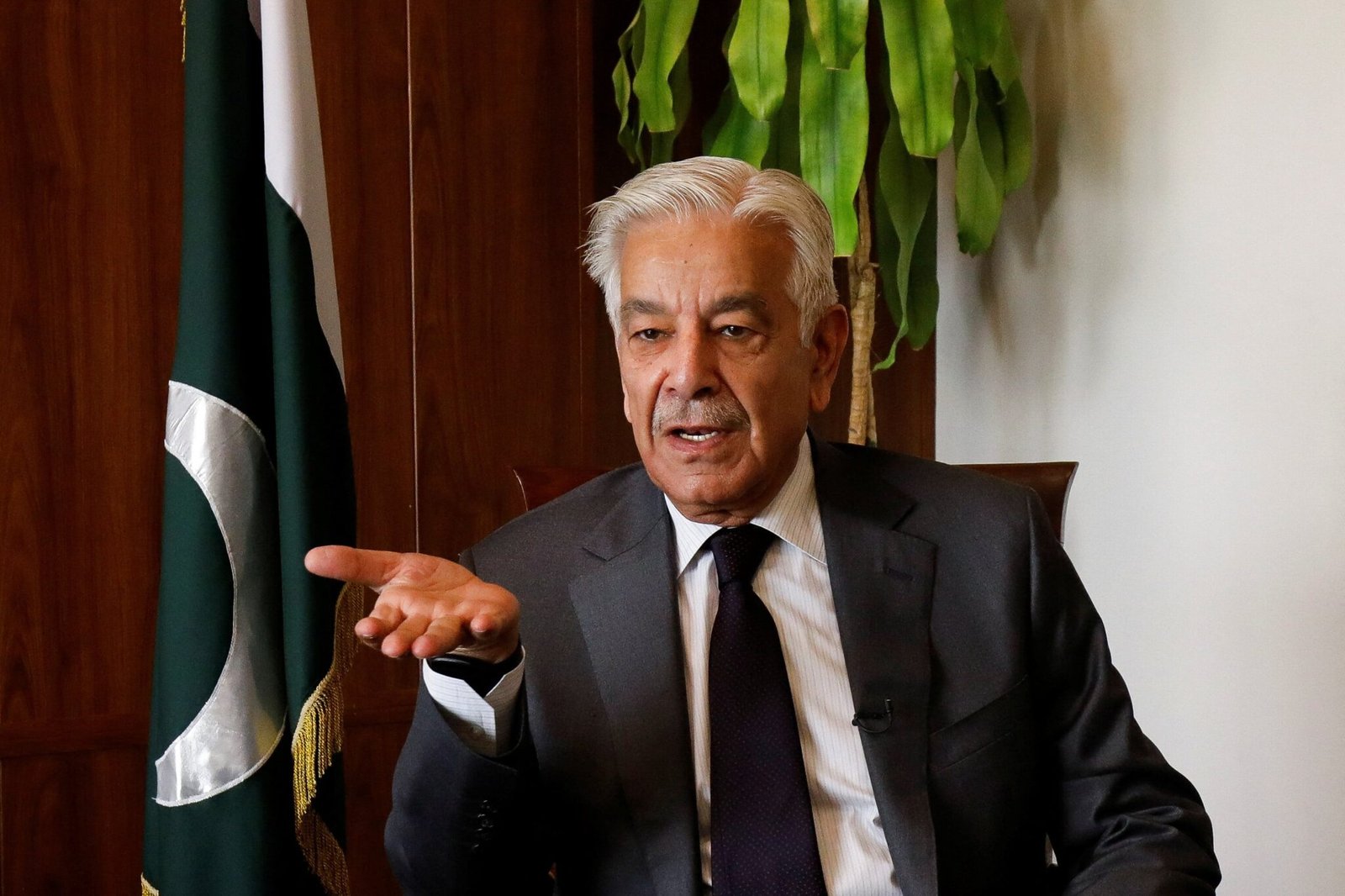

Defence Minister Khawaja Asif says political leadership must reform itself before seeking meaningful accountability within Pakistan’s bureaucracy.
ISLAMABAD: Defence Minister Khawaja Asif has said Pakistan’s bureaucracy has largely remained beyond accountability, arguing that political reform is essential to strengthen oversight of the country’s permanent state machinery.
In a statement, Asif said other segments of Pakistan’s ruling elite had faced consequences for their actions at different points, including proceedings over allegations of corruption, mismanagement and other misconduct. Bureaucracy, he said, had largely escaped similar scrutiny.
The defence minister said many Pakistanis may not fully recognise the significant role bureaucrats have played in governing the country.
He cited former Governor General Ghulam Muhammad as an example, noting that he had a bureaucratic background before assuming the country’s highest office. Asif also referred to former Prime Minister Chaudhry Muhammad Ali, who entered politics after serving in the bureaucracy.
The minister further mentioned former presidents Iskander Mirza and Ghulam Ishaq Khan, both of whom had bureaucratic backgrounds.
According to Asif, bureaucratic influence continued even during periods when political leaders appeared to exercise formal control over the government.
However, he cautioned against placing the entire blame for the situation on bureaucrats. He argued that political leaders’ incompetence and internal divisions had created opportunities for the bureaucracy to expand its influence over state affairs.
Asif maintained that politicians must first address their own shortcomings if they want to pursue meaningful reforms and accountability within the bureaucracy.
“Political reform will automatically bring reform and accountability to the bureaucracy,” he said, stressing the importance of stronger political leadership in improving governance.
His remarks come amid a broader debate over the distribution of power between elected governments and the permanent state machinery in Pakistan.
About The Author