

Middle East energy infrastructure under siege after Iranian drone strikes disrupt LNG and oil production, sending global prices surging
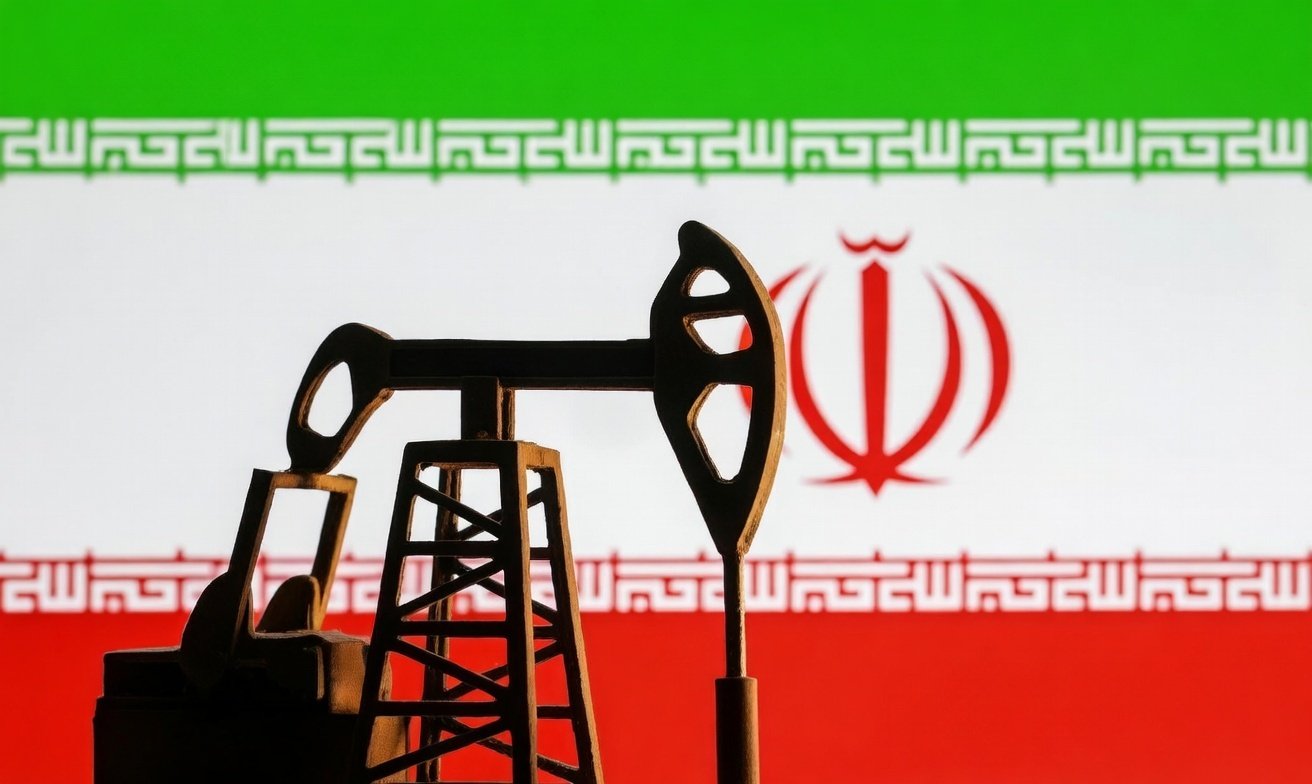
DOHA/RIYADH: A wave of Iranian drone strikes has brought major oil and natural gas operations across the Middle East to a near standstill, escalating regional tensions and igniting global energy markets.
State‑owned QatarEnergy halted output at its vast Ras Laffan LNG facilities responsible for roughly 20 % of the world’s liquefied natural gas after repeated attacks, a blow to buyers in Asia and Europe. The company is expected to declare force majeure on LNG shipments as unrest enters its third day.
Across the Gulf, Saudi Arabia’s Ras Tanura refinery, one of the kingdom’s largest was temporarily shut down after drones were intercepted, triggering precautionary outages. In Iraqi Kurdistan, most oil production has stopped, while Israeli offshore gas fields paused output, delaying key exports to Egypt.
Energy markets reacted sharply: European natural gas prices spiked nearly 50 % and crude oil jumped above $82 a barrel, highs not seen since January 2025. Disruptions in the Strait of Hormuz also slowed shipping through a chokepoint for nearly a fifth of global crude flows.
International oil firms including DNO, Gulf Keystone and Chevron halted operations as safety measures, though no major damage has been reported. Analysts warn that attacks on critical energy infrastructure could draw Gulf states closer to military confrontation.
About The Author