

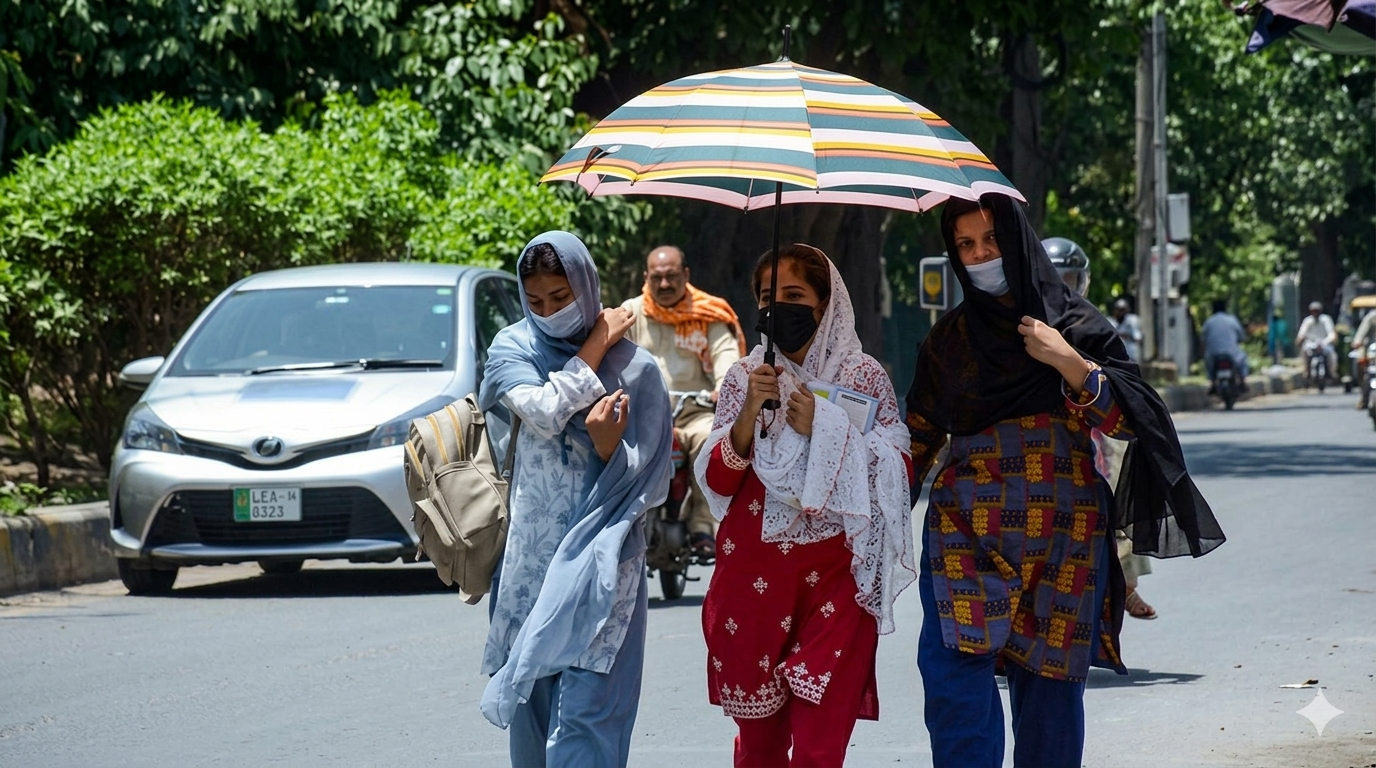

Weather authorities highlight El Niño risks as temperatures climb above normal levels across heat-prone regions
ISLAMABAD: Pakistan is set to experience mild heatwave conditions in its southern regions between April 29 and May 3, according to the latest forecast issued by the Pakistan Meteorological Department (PMD), raising concerns about rising temperatures and the potential impact of evolving global climate patterns.
In its advisory released on Monday, the PMD indicated that southern parts of the country including south Punjab, upper Sindh, and southern and eastern Balochistan are likely to witness elevated temperatures during the period. These regions are historically vulnerable to extreme heat, with temperatures often soaring to dangerous levels during peak summer months.
The forecast comes as weather systems across the country remain dynamic. A westerly wave is expected to influence the upper regions of Pakistan from the night of April 27 through April 29, and again between May 3 and May 5. This system is anticipated to bring some relief in northern areas, with temperatures projected to drop by 2 to 4 degrees Celsius during its influence.
However, the broader outlook suggests intensifying heat trends, particularly as Pakistan moves into May and June traditionally the hottest months of the year. The PMD noted that temperatures in heat-prone zones typically range between 43°C and 45°C during this period, but current observations show readings already running 2 to 4 degrees above normal levels.
Climate experts are also closely monitoring the potential return of the El Niño phenomenon, which is expected to develop between May and July. El Niño, a naturally occurring climate cycle, involves the warming of surface waters in the central and eastern Pacific Ocean, significantly altering global weather patterns. Its effects often include higher temperatures, disrupted rainfall, and increased frequency of extreme weather events.
The last El Niño cycle contributed to making 2023 one of the hottest years on record, followed by 2024, which set a new global temperature high. The anticipated return of this phenomenon in mid-2026 has heightened concerns among meteorologists and disaster management authorities.
In parallel, Pakistan’s National Disaster Management Authority (NDMA), through its National Emergencies Operation Centre (NEOC), has already issued a nationwide alert warning of an intense heatwave in multiple regions through May 5. Authorities have urged provincial administrations and the public to take precautionary measures, particularly to protect vulnerable populations such as children, the elderly, and outdoor workers.
The PMD emphasized that it is continuously monitoring climatic developments and will issue timely updates if heatwave conditions intensify further.
As temperatures begin their seasonal climb, experts warn that early preparedness, water conservation, and public awareness will be critical in mitigating the risks associated with prolonged heat exposure.
About The Author