

Pakistan enforces a structured evening power management strategy to reduce fuel costs and stabilize electricity tariffs amid LNG supply disruptions.
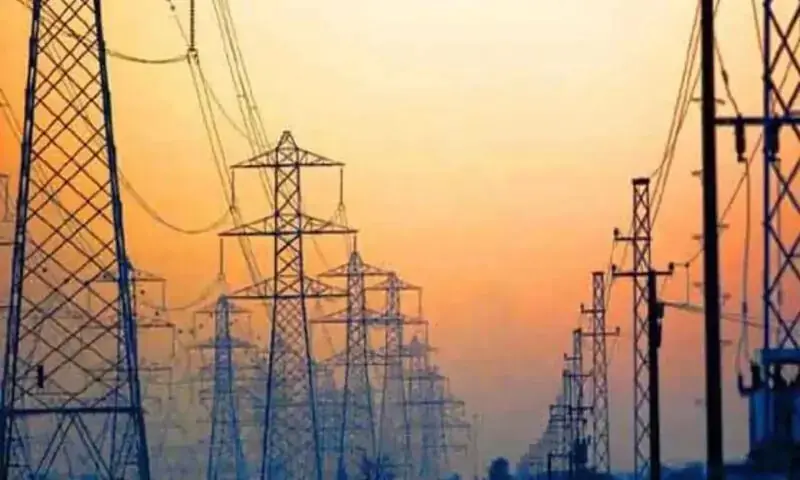
ISLAMABAD: The government of Pakistan has announced a structured power management plan that includes planned electricity outages during peak evening hours as part of efforts to control rising energy costs and prevent further pressure on consumer tariffs.
According to officials, the measure introduces approximately 2.25 hours of scheduled load management daily between 5:00 p.m. and 1:00 a.m., a period identified as the country’s peak electricity demand window. The decision has been implemented under a broader “Peak Relief Strategy” aimed at reducing dependence on expensive fuel-based power generation.
Authorities said the move follows disruptions in liquefied natural gas (LNG) imports from Qatar, which have been affected by force majeure conditions linked to regional instability. The shortage has increased reliance on costly alternative fuels, particularly during evening hours when hydropower generation declines.
The Power Division clarified that Pakistan’s installed generation capacity remains sufficient, but the challenge lies in managing fuel costs rather than electricity availability. Officials emphasized that outages will remain limited, scheduled, and transparent, with distribution companies instructed to publish feeder-wise timetables.
The government further directed power utilities to avoid unscheduled interruptions except in cases of technical faults. Officials described the strategy as a preventive economic adjustment rather than a sign of system failure.
Consumers may experience disruptions in residential lighting, cooling, and small business operations during peak hours. Authorities have urged households to shift energy usage outside peak periods and charge essential devices before evening hours. Businesses are also advised to adjust operational schedules to reduce electricity consumption during the affected window.
Future adjustments to the plan will depend on fuel supply stability and regional energy conditions.
About The Author