

Islamabad launches broader cost-cutting campaign as global oil price pressures strain the economy.
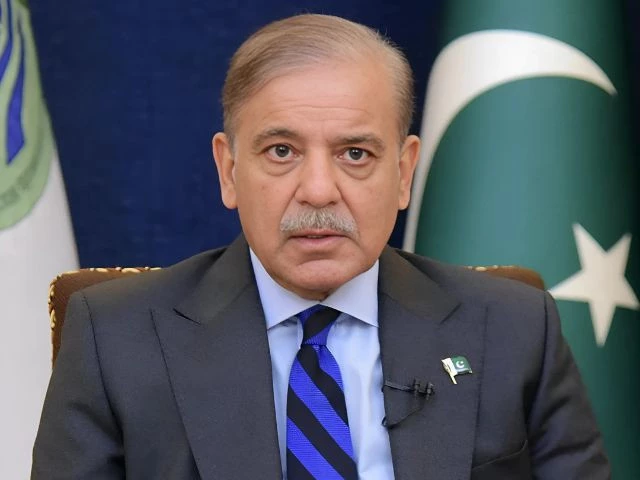
The government of Shehbaz Sharif has expanded its austerity campaign by ordering salary reductions for employees of state-owned enterprises (SOEs) and government-backed autonomous institutions.
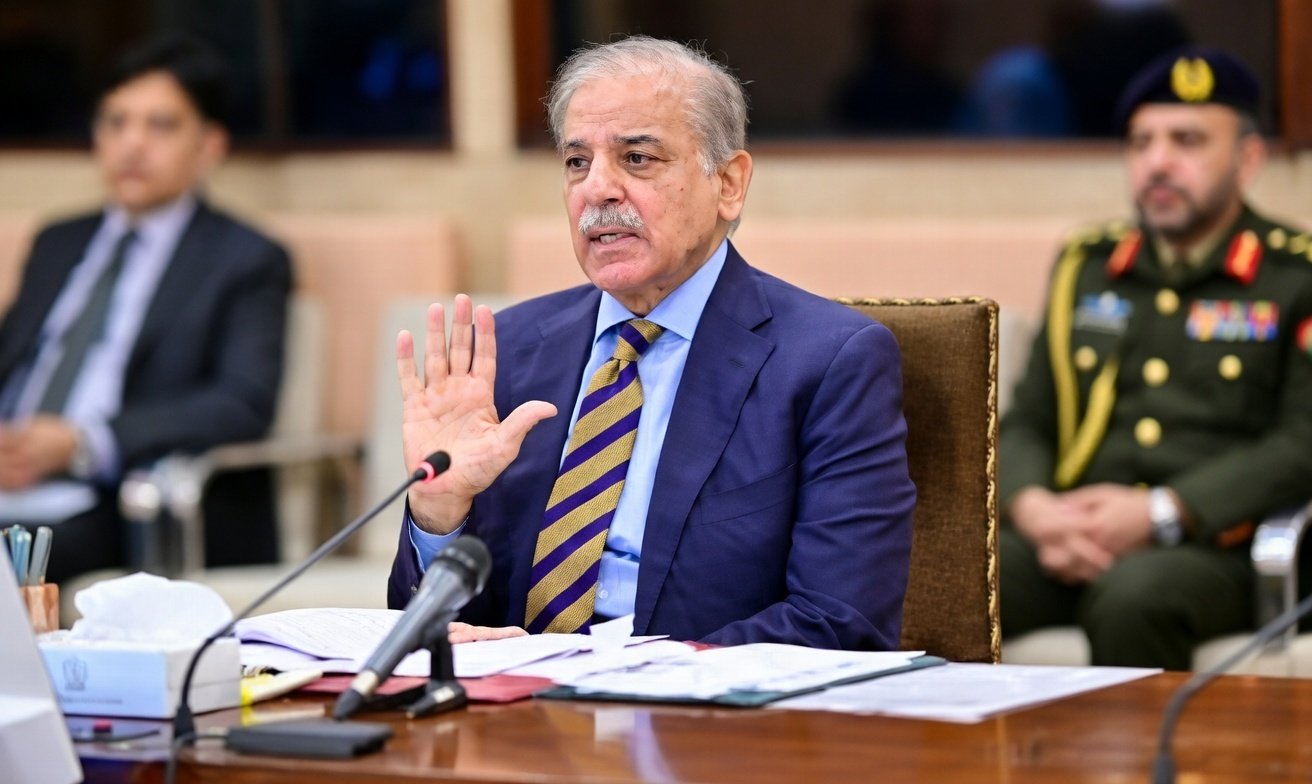
According to an official statement released after a high-level meeting chaired by the prime minister on Saturday, salaries in these organizations will be reduced by 5 to 30 percent. Authorities said the savings will be redirected toward public relief programmes aimed at easing economic pressure on citizens.
The move comes days after Islamabad announced a broader cost-cutting plan in response to rising global oil prices linked to geopolitical tensions involving the United States, Israel and Iran.
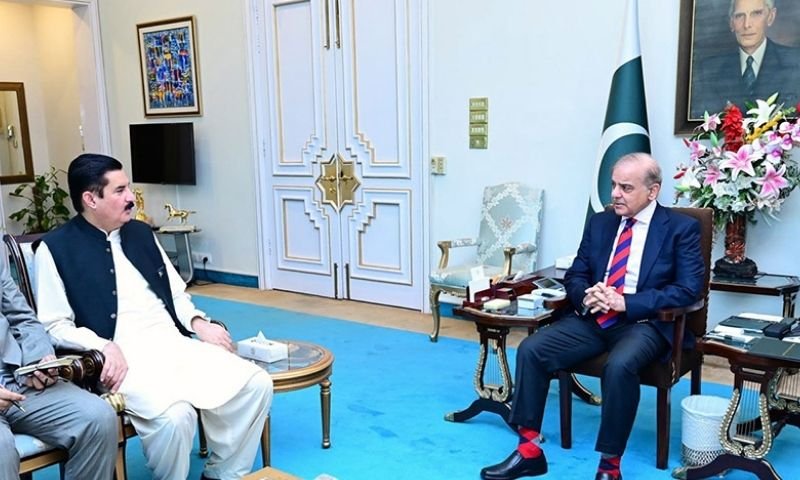
The meeting was attended by senior officials including Finance Minister Muhammad Aurangzeb, Petroleum Minister Ali Pervaiz Malik and Information Minister Attaullah Tarar.
Key Austerity Measures
Officials reviewed several previously announced steps to curb government spending. Authorities clarified that the newly introduced four-day workweek will not apply to law enforcement agencies or the Federal Board of Revenue.
Additional measures include grounding 60 percent of government vehicles, cutting fuel allocations for official cars by half and imposing a complete ban on purchasing new government vehicles. A third-party audit of these steps is expected within two months.
Cabinet members, advisers and special assistants to the prime minister will also forgo their salaries for the next two months, while a ban on foreign travel by ministers and senior officials remains in effect, with meetings shifting to virtual platforms.
Fuel Supply Situation Reviewed
Separately, a government committee led by Finance Minister Aurangzeb reviewed Pakistan’s petroleum supply situation. Officials said the country currently holds adequate reserves of crude oil and refined petroleum products, with additional shipments already in transit.
Authorities warned that volatility in global oil markets could still affect Pakistan’s energy sector but said current stock levels and planned imports should be enough to meet domestic demand in the coming weeks.
The government also discussed measures to encourage more efficient fuel consumption across the public sector to help reduce import costs during periods of international price fluctuations.
About The Author