

Traditional tatreez embroidery and community workshops are helping Palestinians worldwide preserve their cultural heritage, strengthen family bonds and pass their identity to future generations.
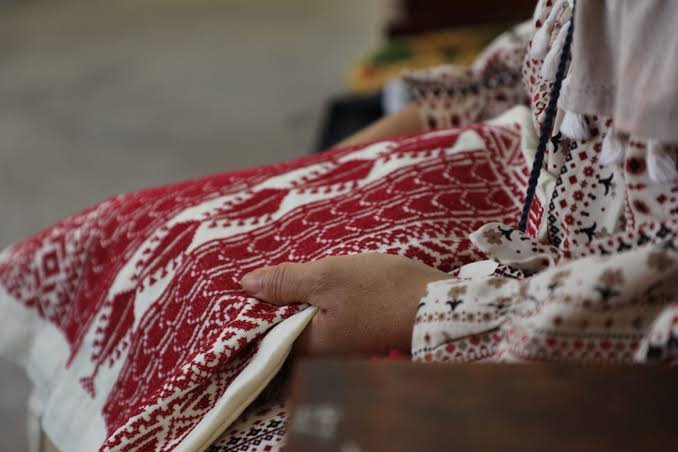
Palestinian communities living across the globe are embracing traditional embroidery, known as tatreez, as a powerful way to preserve their cultural identity and maintain a lasting connection with their ancestral heritage. Through community workshops and cultural gatherings, the centuries-old art form is being passed to younger generations, ensuring that Palestinian traditions continue to thrive far from home.
Tatreez has long been recognized as more than decorative needlework. Each hand-stitched pattern reflects the history, identity and regional heritage of Palestinian communities, with designs often representing specific villages and family traditions. For generations, the craft has symbolized resilience, pride and cultural continuity.
Community organizations, volunteers and cultural centres are increasingly hosting embroidery workshops that bring together participants of all ages. These events offer opportunities to learn traditional stitching techniques while sharing family stories, preserving collective memory and strengthening community ties.
Younger members of the Palestinian diaspora are playing an active role in these initiatives, viewing embroidery as a meaningful way to explore their family history and connect with their cultural roots. Parents and grandparents continue to pass down traditional skills, helping safeguard an important part of Palestinian heritage.
Beyond preserving tradition, these workshops create supportive spaces where participants build friendships, exchange experiences and celebrate a shared identity. At the same time, growing international recognition of tatreez in fashion, museums and cultural institutions has introduced the art form to wider audiences, highlighting its historical and artistic significance.
About The Author