
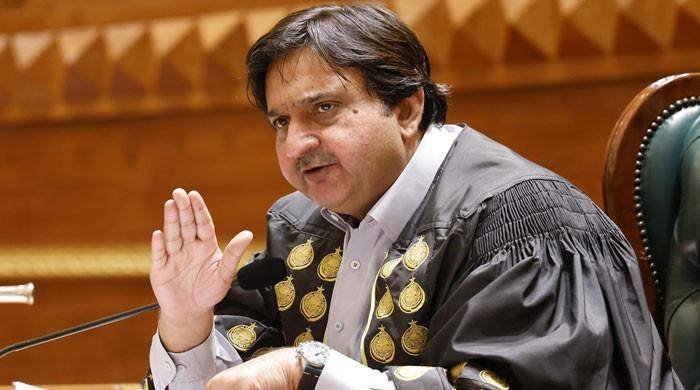

Punjab Assembly Speaker Malik Muhammad Ahmad Khan has suspended progress on the controversial Habitual Offenders and Anti-Social Behaviour Bill 2026 after raising procedural concerns, while the opposition calls it a threat to civil liberties.
Punjab’s proposed Control of Habitual Offenders and Anti-Social Behaviour Bill 2026 has hit a major hurdle after Punjab Assembly Speaker Malik Muhammad Ahmad Khan temporarily halted its approval, citing serious procedural concerns. The move came after the Speaker objected that the legislation was introduced during his absence without his knowledge, triggering fresh political controversy.
The proposed bill seeks to replace colonial-era legislation and would grant provincial and district authorities expanded powers to monitor and act against individuals classified as habitual offenders. Among its key provisions are mandatory electronic ankle bracelets for at least three months, the authority to freeze bank accounts, block national identity cards, seize electronic devices and property, and broaden enforcement against alleged anti-social activities.
The draft legislation also expands the definition of anti-social behaviour to include spreading false or misleading information on social media, displaying weapons online, and sharing hate content on digital platforms.
Opposition members, led by Pakistan Tehreek-e-Insaf (PTI), strongly criticized the proposal, describing it as a “black law” reminiscent of colonial rule. Opposition lawmaker Rana Aftab warned that vague definitions could enable political victimization and harassment of ordinary citizens while also questioning the constitutional role of intelligence agencies in its implementation.
Parliamentary Secretary for Law Khalid Mahmood Ranjha defended the bill, stating it had already received Punjab Cabinet approval before being referred to the relevant standing committee. He said the proposed law provides multiple legal remedies, allowing affected individuals to appeal administrative decisions before district and provincial committees and ultimately a three-member tribunal headed by a retired High Court judge.
About The Author