
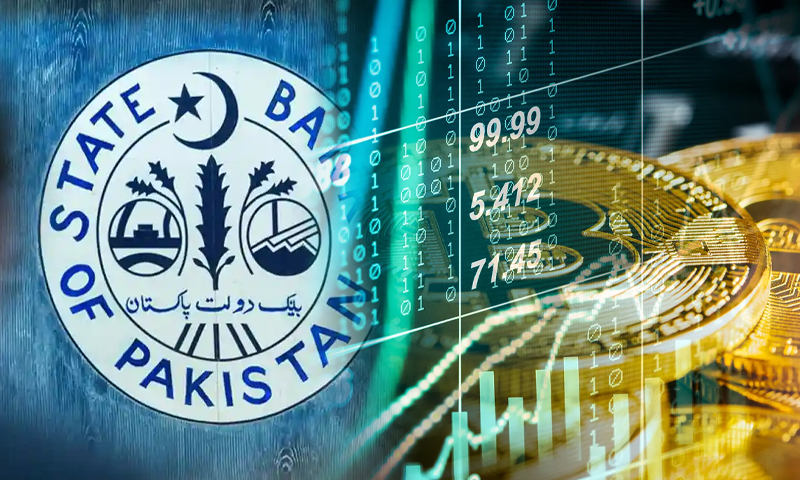

Pakistan introduces a regulated legal structure for virtual assets, placing crypto-related activity under formal banking supervision and compliance controls.
Pakistan has formally integrated virtual assets into its financial system after the State Bank of Pakistan (SBP) announced the implementation of the Virtual Assets Act 2026, establishing a regulated framework for digital asset activity, officials said Wednesday.
The law creates the Pakistan Virtual Asset Regulatory Authority (PVARA), tasked with licensing, supervision, and compliance oversight of Virtual Asset Service Providers operating in the country.
Under the new rules, banks and other regulated financial institutions may provide services to licensed VASPs only after verifying approvals issued by PVARA and ensuring compliance with all applicable regulations.
Financial institutions are required to open segregated rupee-denominated client money accounts for VASPs. These accounts will be used solely for settlement purposes and are restricted from cash deposits, withdrawals, profit distribution, or use as collateral.
The SBP has strengthened anti-money laundering and counter-terror financing requirements, mandating enhanced due diligence, continuous transaction monitoring, and immediate reporting of suspicious activity under existing laws.
Banks are prohibited from directly investing in or trading virtual assets using their own or customer funds. However, they may facilitate onboarding and licensing processes through limited-purpose accounts designed for verification and compliance.
Officials said VASP funds must remain fully segregated from client assets to prevent misuse and ensure transparency across the financial system.
The framework aims to balance financial innovation with regulatory safeguards, aligning Pakistan’s digital finance sector with emerging global standards.
It is expected to encourage regulated investment, improve market confidence, and bring previously informal crypto activity into a supervised banking environment over time.
About The Author