
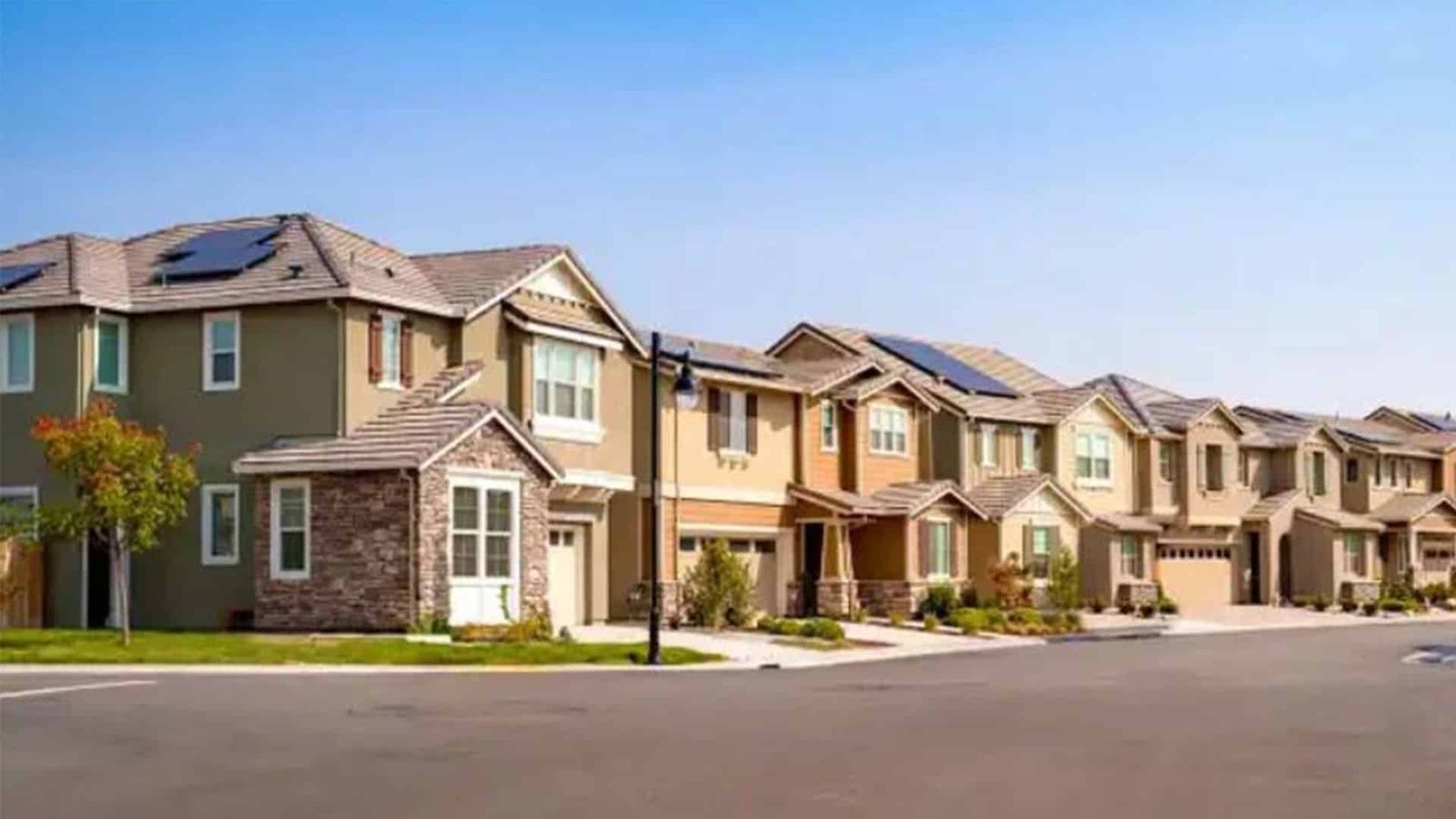

Pakistan launches an ambitious nationwide housing finance initiative aimed at delivering 500,000 homes in four years with subsidized loans and long-term repayment relief.
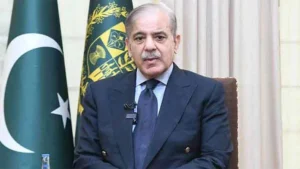
In a major policy move aimed at reshaping Pakistan’s housing landscape, Prime Minister Shehbaz Sharif has formally launched the “Apna Ghar Scheme,” a large-scale financing initiative designed to help low and middle-income families build their own homes under easy loan conditions.
Speaking at the inauguration ceremony in Islamabad, the prime minister described access to housing as a “fundamental responsibility of the state,” emphasizing that millions of citizens in Pakistan still lack secure shelter despite decades of development efforts. The launch event was attended by Deputy Prime Minister Ishaq Dar, federal ministers, lawmakers, and senior officials.
Under the scheme, eligible applicants will be able to obtain home construction loans of up to Rs 1 crore for houses of up to 10 marlas. The government has set an ambitious target of building 50,000 homes in the first year alone, with a broader goal of 500,000 houses over the next four years. The total financing volume for the initiative has been estimated at Rs 3.2 trillion.
A key feature of the program is its long repayment structure of 20 years. Borrowers will pay a subsidized markup rate of 5% during the first 10 years, after which the rate will shift to prevailing market conditions for the remaining tenure. Officials say this model is designed to reduce early financial pressure on households while ensuring long-term sustainability.
The scheme will be implemented nationwide, covering Islamabad, all four provinces, Gilgit-Baltistan, and Azad Kashmir. Authorities have also simplified the application process to encourage wider participation, particularly among salaried individuals, small business owners, and young professionals.
The prime minister announced that the government will personally review the scheme’s progress every month to ensure timely implementation and resolve any operational bottlenecks. He also issued a strong directive to financial institutions, stating that banks delivering higher participation and efficiency will be recognized with national awards on August 14, while those showing negligence will face strict consequences.
Officials highlighted that the housing initiative is also expected to stimulate economic activity in construction, cement, steel, and allied industries, creating significant employment opportunities across the country. The government has already allocated Rs 321 billion for the first phase.
During the ceremony, checks were distributed among successful applicants, including individuals from Punjab, Khyber Pakhtunkhwa, and Azad Kashmir. One young beneficiary, a driver named Ghulam Hussain, was among those who received approval, symbolizing what officials described as the program’s “inclusive vision.”
Housing Minister Riaz Hussain Pirzada said the scheme was the result of nearly a year of planning and coordination with financial institutions and stakeholders. He called it a “transformational gift” for citizens aspiring to own a home, adding that the initiative reflects the government’s renewed focus on social welfare and infrastructure development.
Economists view the program as a high-impact intervention that could boost construction-led growth, though they also note that its success will depend heavily on implementation efficiency, banking participation, and economic stability over the coming years.
About The Author