

President Lee Jae Myung says South Korea will avoid military intervention in the Iran conflict while working to facilitate renewed US-North Korea dialogue.
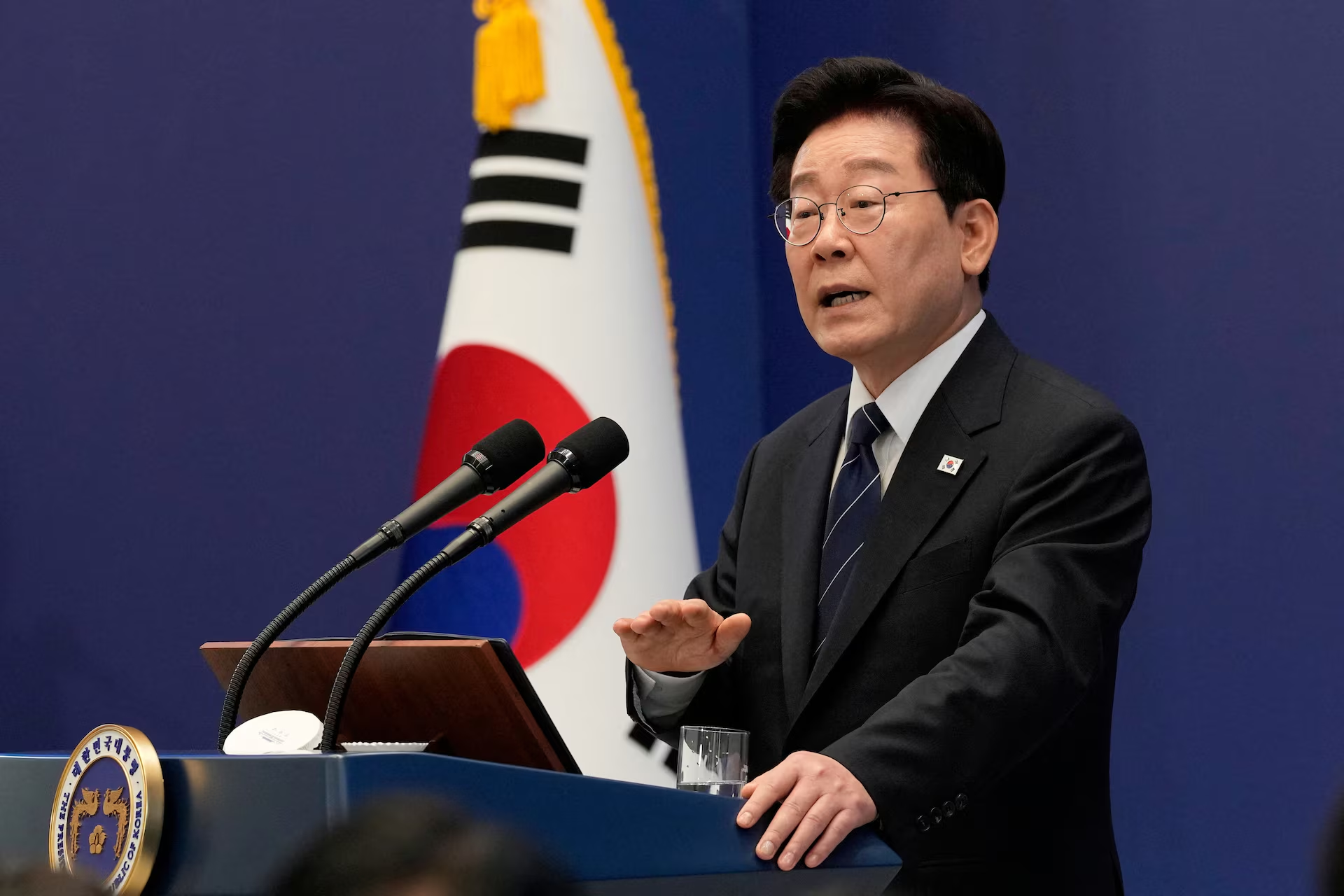
South Korea will not send troops or military assets to the US-Israeli war on Iran, President Lee Jae Myung said Friday, while reaffirming Seoul’s efforts to encourage renewed dialogue between Washington and Pyongyang.
Lee made the remarks while responding to questions about South Korea’s position on the conflict and speculation over whether Seoul could become involved in efforts to protect shipping through the strategically important Strait of Hormuz.
“There will be no involvement or intervention in the war. We will not deploy troops or military assets in that manner,” Lee told reporters at the presidential Blue House.
The president said Seoul had consistently maintained a policy of non-involvement and non-intervention and would continue to follow that approach. He stressed that South Korea would not deploy forces in a way that could constitute military intervention.
However, Lee said the government would take limited measures to protect South Korean commercial interests, particularly merchant vessels and energy shipments.
South Korea had reportedly been considering whether it could contribute to protecting shipping through the Strait of Hormuz, a major global energy route that has emerged as a key flashpoint during the conflict.
Lee said Seoul would carry out only the “minimum necessary activities” to safeguard South Korean merchant ships and oil transportation routes.
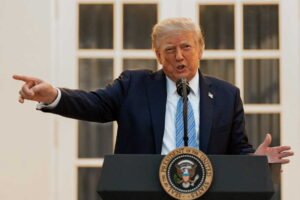
The position comes after US President Donald Trump criticised allied countries over what he described as limited assistance to Washington. In a recent interview, Trump specifically mentioned South Korea and said the country had declined an invitation to participate.
The United States maintains about 28,500 troops in South Korea as part of its security commitment to help defend the country against North Korea.
Seoul seeks renewed US-North Korea dialogue
Lee also said he believed Trump genuinely wanted to resume dialogue with North Korean leader Kim Jong Un.
Trump said last month that he hoped to meet Kim later this year and stressed the importance of maintaining a relationship with the North Korean leader. Trump also claimed that North Korea possesses 57 nuclear weapons, while South Korean estimates put the figure at between 80 and 120.
Pyongyang has not provided a clear response to Trump’s latest overtures.
Lee said it was “clear” that Trump wanted dialogue and urged the US president to pursue direct engagement with Kim. Seoul, he said, was continuing preliminary coordination efforts aimed at helping facilitate talks between Washington and Pyongyang.
Lee acknowledged that arranging a meeting would be difficult but said it was not impossible. He added that South Korea should make every effort to help create conditions for dialogue.
The issue has become particularly sensitive after South Korea and the United States held a shortened version of their annual Ulchi Freedom Shield military exercises last month following Trump’s decision to scale back the drills.
The reduced exercises and renewed US outreach to Pyongyang have raised concerns in Seoul that South Korea could have less influence in any future nuclear negotiations.
Trade talks remain a challenge
Lee also addressed South Korea’s economic relationship with Washington, saying negotiations over a previously agreed $350 billion US investment commitment remained complicated.
Although the two countries were reportedly close to reaching agreement on specific terms, Lee said some conditions were difficult for Seoul to accept and that discussions were continuing.
The president also rejected suggestions that he could seek to extend his constitutionally limited single term amid debate over possible constitutional reform.
About The Author