
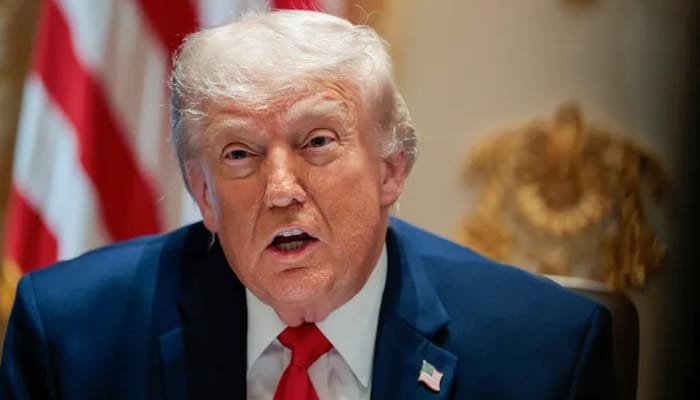

A new diplomatic development involving the United States and Iran has triggered intense international attention after reports emerged that US President Donald Trump shared a draft agreement with Israel and allied nations. The reported proposal, revealed by British newspaper The Guardian, includes major clauses related to the reopening of the Strait of Hormuz and the easing of economic restrictions on Tehran.
According to the report, the proposed memorandum of understanding contains provisions aimed at restoring maritime activity in the Strait of Hormuz to pre-conflict levels within 30 days. The strategic waterway remains one of the world’s most critical oil transit routes, and any disruption there has immediate consequences for global energy markets and regional security.
The draft agreement reportedly also discusses lifting certain American restrictions and opening maritime routes affected by tensions in the Gulf region. One of the most significant elements of the proposal is the possible release of nearly $12 billion in Iranian assets that have remained frozen under sanctions and international financial restrictions.
The reported framework suggests that the financial access would be linked to broader diplomatic understandings and regional de-escalation efforts. Analysts believe such a move could become a turning point in long-stalled negotiations between Washington and Tehran, especially amid increasing pressure from global powers to stabilize the region.
The report further stated that China is seeking formal endorsement of the final agreement through the United Nations. Beijing’s reported position highlights the growing international dimension of the negotiations and signals an effort to provide broader legitimacy and global backing to any future settlement.
Neither the White House nor Iranian officials have publicly confirmed the details of the reported draft. However, the disclosure has already intensified debate among diplomats and security experts, particularly regarding Israel’s likely response and the broader implications for Middle East geopolitics.
The development comes at a time of heightened regional tensions, with global powers attempting to prevent further escalation in the Gulf while safeguarding critical energy supply routes and diplomatic stability.
About The Author