


UK Prime Minister emphasizes diplomatic restraint and protection of global shipping routes during rising Gulf tensions
LONDON: British Prime Minister Keir Starmer said Monday that the United Kingdom will not support any blockade of the Strait of Hormuz amid escalating tensions involving Iran, underscoring a policy focused on de-escalation and maritime stability.
Speaking on BBC Radio 5 Live, Starmer said Britain’s priority is keeping the strategic waterway open for global trade and uninterrupted energy flows. He said freedom of navigation through the Strait is essential for international economic security and the stability of global supply chains.
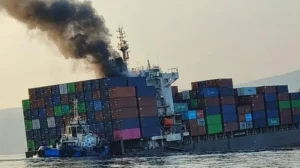
The Strait of Hormuz, a narrow but vital maritime chokepoint, carries a substantial portion of the world’s oil and liquefied natural gas shipments. Officials and analysts have repeatedly warned that even limited disruption could trigger immediate spikes in energy prices and create uncertainty across global markets.
Starmer said the UK does not intend to become directly involved in the wider regional confrontation, stressing instead a diplomatic approach in coordination with international partners. He said Britain’s efforts are centered on reducing tensions and supporting the safe passage of commercial shipping through the Gulf.
The comments come as Western governments continue to urge restraint following heightened military and political friction in the region. Diplomatic sources say several countries are working behind the scenes to prevent escalation and maintain open sea lanes critical to global commerce.
Energy market analysts note that the mere risk of a blockade can increase shipping insurance costs and contribute to volatility in crude oil prices. The British government reiterated its commitment to protecting maritime routes under international law and working with allies to safeguard stability in the region. London further emphasized that uninterrupted flow through the Strait remains vital to global energy markets and long-term economic stability.
About The Author