
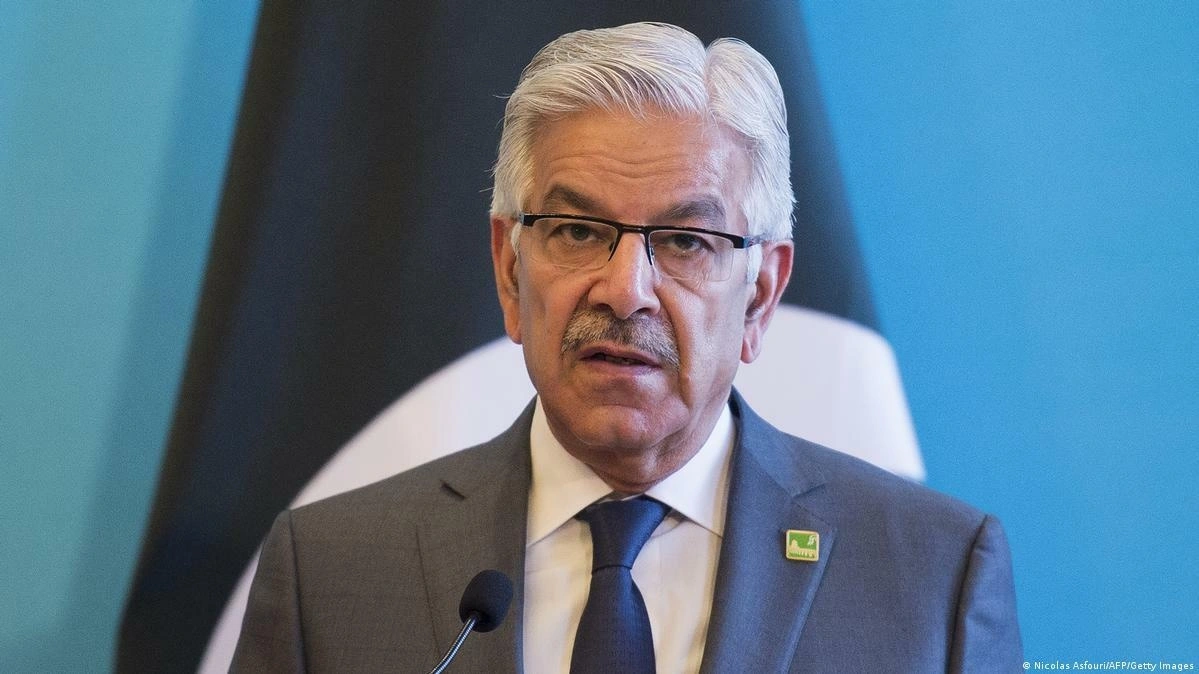

Defence Minister Khawaja Asif issues strong warning as India-Pakistan tensions intensify over security concerns and regional stability
ISLAMABAD: Pakistan’s Defence Minister Khawaja Asif has warned that India may be preparing to carry out a major strike targeting Pakistani cities, alleging that any potential escalation could focus on civilian-populated areas rather than conventional military objectives.
The remarks come at a time of heightened political and security sensitivities between the two nuclear-armed neighbours, with Islamabad and New Delhi frequently exchanging sharp rhetoric over border security, counterterrorism accusations, and regional military developments.
According to the defence minister’s statement, Pakistan believes the nature of any possible escalation from India would not resemble a traditional all-out war scenario but could instead involve limited yet high-impact operations aimed at urban centers. The claim has not been independently verified, and no public evidence has been presented to support the assertion.
Officials in Islamabad have framed the warning as part of broader concerns over regional stability, arguing that any strike on civilian areas would constitute a serious escalation with potentially severe consequences for peace in South Asia. Defence analysts, however, note that such statements are often issued during periods of diplomatic strain and may reflect strategic messaging rather than confirmed intelligence.
Relations between India and Pakistan have remained fragile for decades, shaped by unresolved disputes including Kashmir and recurring cross-border incidents. Both sides routinely accuse each other of hostile intentions, though large-scale direct conflict has remained limited in recent years due to the risks of escalation between two nuclear-capable states.
Security observers say that while rhetoric tends to intensify during political flashpoints, military actions typically remain confined to controlled engagements rather than broad attacks on civilian infrastructure. International actors have repeatedly urged restraint and dialogue to prevent miscalculation.
At present, there has been no official response from New Delhi regarding the latest remarks. Diplomatic channels between the two countries remain limited, and communication is often indirect, particularly during periods of heightened tension.
The situation underscores the fragile security balance in South Asia, where political statements can quickly influence public perception and diplomatic dynamics. Analysts suggest that both countries are likely to continue using strong rhetoric while avoiding direct confrontation, given the high stakes involved.
About The Author