

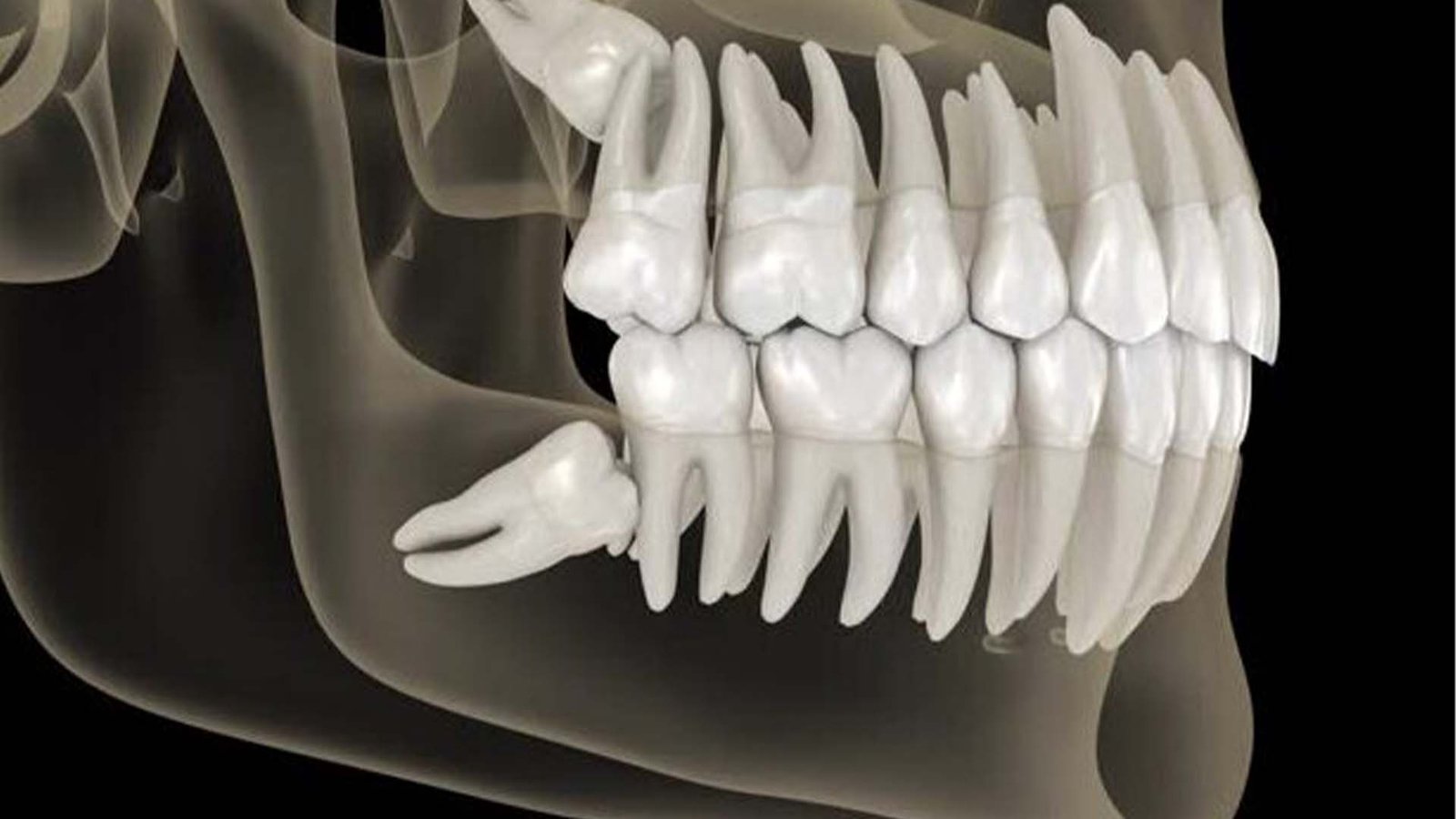

New research suggests that wisdom teeth may hold powerful stem cells capable of transforming future treatments for major diseases.
For decades, wisdom teeth commonly extracted and often dismissed as unnecessary, may have been hiding a remarkable medical secret. New scientific findings suggest these so-called “useless” teeth could play a pivotal role in the future of regenerative medicine.
Traditionally known as problematic due to pain and misalignment, wisdom teeth are frequently removed during early adulthood. However, recent studies reveal that the soft inner tissue of these teeth, known as dental pulp, contains highly valuable stem cells with extraordinary regenerative potential.
Stem cells are unique biological units capable of transforming into various types of tissues in the human body. According to researchers, the stem cells found in wisdom teeth may contribute to repairing heart muscles, treating neurological disorders such as stroke and Parkinson’s disease, and even regenerating bones and cartilage.
Experts highlight that wisdom teeth are typically extracted between the ages of 17 and 25 a period when these stem cells are at their most potent and effective. This timing makes them particularly valuable for potential medical use.
Unlike other sources of stem cells that often involve complex or controversial procedures, those derived from wisdom teeth can be collected without additional medical intervention. Since these teeth are already removed in routine dental procedures, the process is considered both accessible and ethically uncomplicated.
In response to these findings, several biotechnology companies have begun offering services to preserve stem cells extracted from wisdom teeth. This process is similar to the storage of umbilical cord blood, which is widely recognized for its therapeutic benefits.
While scientists caution that this research is still in its early stages, the implications are significant. What was once considered a redundant part of the human body may soon become a valuable resource in treating some of the most challenging medical conditions.
About The Author