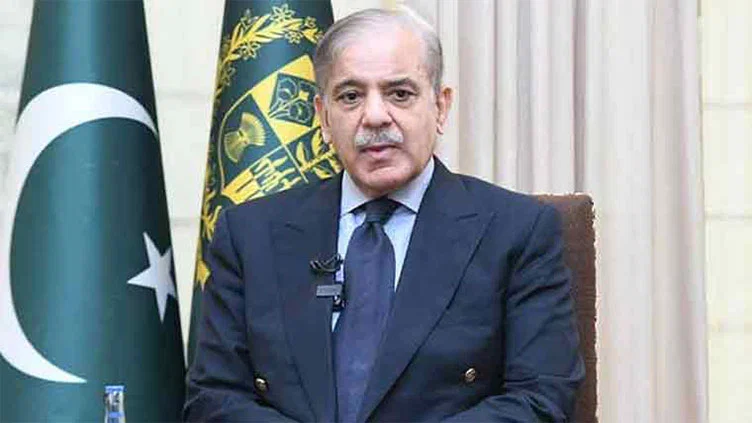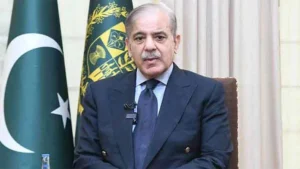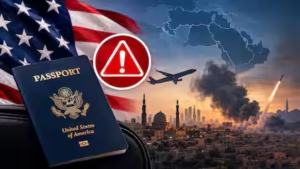


Prime Minister Shehbaz Sharif says escalating US-Iran tensions are driving up global oil prices and intensifying economic pressure on Pakistan, despite ongoing diplomatic efforts hosted in Islamabad.
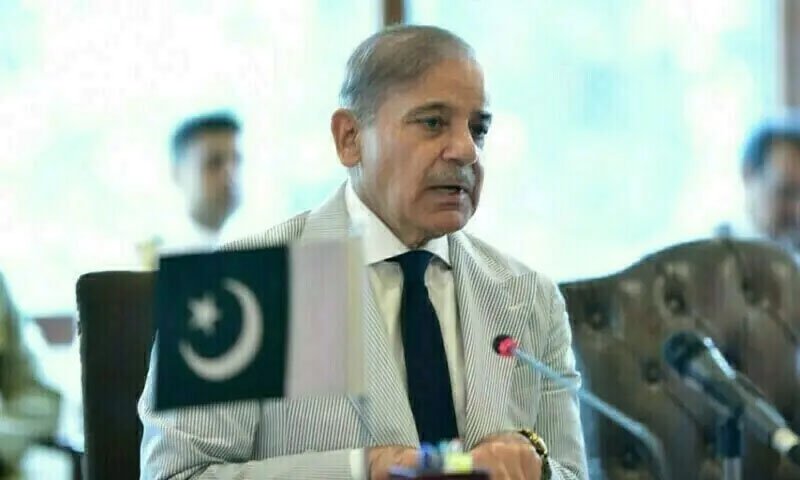
A sharp escalation in geopolitical tensions between the United States and Iran is beginning to ripple through Pakistan’s fragile economy, with Prime Minister Shehbaz Sharif warning that rising global oil prices are placing significant strain on national finances.
Addressing a federal cabinet meeting, the prime minister said Pakistan has played an active diplomatic role in facilitating dialogue between the two countries. He noted that negotiations linked to the crisis began in Islamabad on April 11, including what he described as an intense 21-hour session aimed at de-escalation.
Sharif credited Deputy Prime Minister Ishaq Dar and Chief of Army Staff General Asim Munir for their involvement in supporting backchannel diplomacy efforts that helped sustain a fragile ceasefire environment.
He described Iran as a “brotherly neighboring country” and said Iranian Foreign Minister Abbas Araqchi had visited Pakistan for detailed consultations. According to the prime minister, Iran has engaged with multiple regional and global stakeholders, including Oman and Russia, as part of ongoing discussions and is expected to respond after internal consultations.
Beyond diplomacy, the prime minister warned of immediate economic consequences. He said rising global crude oil prices have sharply increased Pakistan’s import burden, with the weekly oil import bill surging from around $300 million to nearly $800 million since tensions escalated.
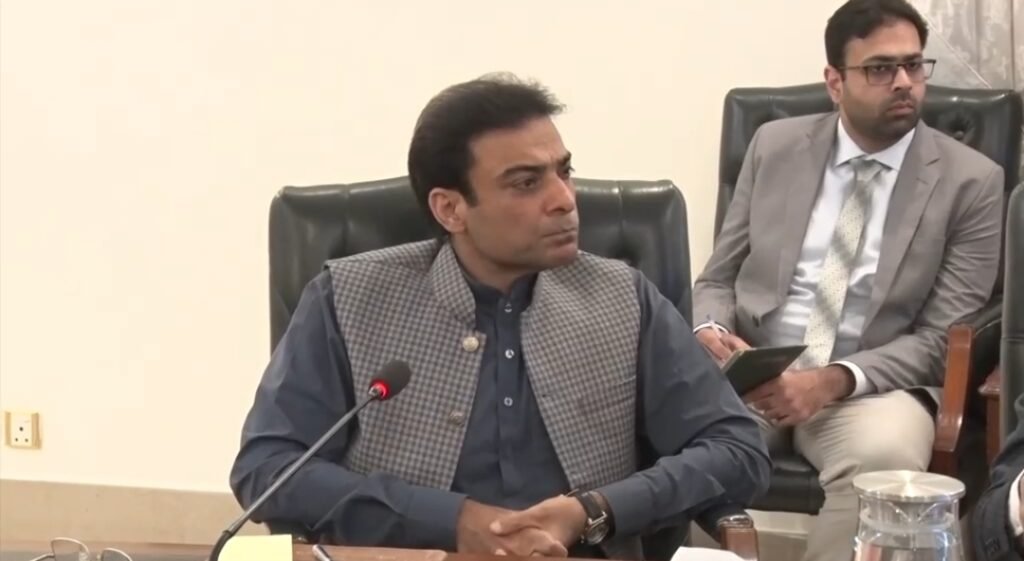
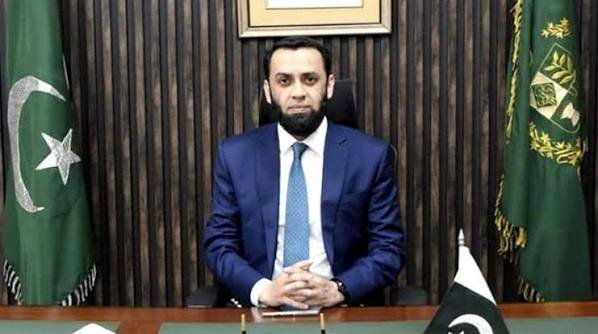
To manage the pressure, a dedicated task force is monitoring developments on a daily basis. The government is also coordinating with provincial administrations on relief measures, including potential subsidies in public transport to ease the impact on consumers.
Sharif also highlighted broader fiscal developments, noting that Pakistan has repaid $3.5 billion in external loans. He expressed gratitude to Saudi leadership for continued financial and diplomatic support during challenging economic conditions.
He emphasized that Pakistan’s diplomatic engagement will continue in pursuit of regional stability and economic security. The cabinet meeting also reviewed progress on the privatization process of Pakistan International Airlines (PIA), reflecting ongoing structural reform efforts alongside crisis management.
As global tensions remain unresolved, Pakistan now faces the dual challenge of navigating regional diplomacy while absorbing the economic shockwaves of an increasingly volatile energy market.
About The Author