
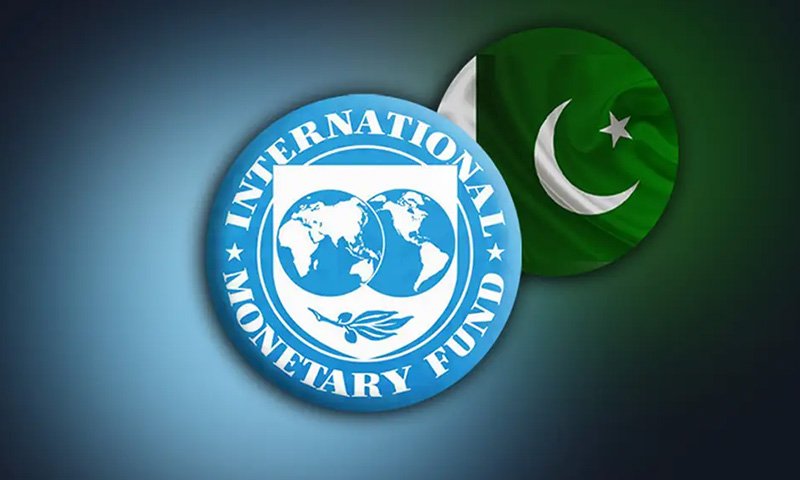

ISLAMABAD: Pakistan and the International Monetary Fund have moved closer to a broad agreement on major fiscal and economic targets for the upcoming federal budget, with negotiations intensifying over new taxation measures, petroleum levy increases and provincial revenue commitments.
The talks gained momentum after the IMF mission extended its stay in Islamabad by two days, signaling the importance of ongoing discussions surrounding Pakistan’s fiscal roadmap for the 2026-27 financial year under the Extended Fund Facility (EFF).
According to officials familiar with the negotiations, the IMF has proposed an 18 per cent increase in the petroleum levy target to strengthen government revenues and maintain fiscal discipline. The move comes despite the petroleum levy on petrol already standing at Rs108.17 per litre, raising concerns about potential fuel price pressures for consumers.
The IMF mission, led by Iva Petrova, held discussions with Pakistani authorities from May 13 to May 20 focusing on economic developments, implementation of reforms and preparations for the federal budget. In an official statement, the Fund said the discussions also examined the impact of Middle East tensions on Pakistan’s economy and external sector.
The Fund confirmed that Pakistani authorities had reaffirmed their commitment to achieving a primary budget surplus of 2 per cent of GDP in FY2027, describing the target as essential for long-term fiscal sustainability and economic resilience.
Sources said the IMF had recommended additional taxation measures worth Rs430 billion for the next fiscal year, while provinces have also been asked to mobilize another Rs430 billion in revenues. The provinces are reportedly expected to generate a combined surplus nearing Rs2 trillion to support the federal fiscal framework.
Under the proposed revenue strategy, the Federal Board of Revenue has been assigned a tax collection target of Rs15.264 trillion for the upcoming fiscal year, with Rs7.022 trillion expected to be collected during the first half alone.
Pakistan’s external financing needs for the next fiscal year are estimated at $21.2 billion, highlighting the country’s continued dependence on foreign inflows despite recent improvements in macroeconomic indicators.
The IMF projections reportedly estimate Pakistan’s economic growth at 3.5 per cent during the next fiscal year, while average inflation is expected to remain around 8.4 per cent, indicating continued pressure on household purchasing power.
In a move aimed at easing the burden on vulnerable segments, the government and the IMF have reportedly reached a temporary understanding to increase payments under the Benazir Income Support Programme from Rs14,500 to Rs18,000.
Energy-sector reforms also remained a central focus of the talks. The IMF maintained its position that gas and electricity tariffs should be adjusted twice annually to contain circular debt and ensure cost recovery within the power sector.
The State Bank of Pakistan reiterated its commitment to maintaining a tight monetary policy stance to control inflationary pressures and manage the impact of rising energy prices.
Beyond taxation and monetary policy, both sides discussed structural reforms involving state-owned enterprises, financial markets and product-market liberalisation aimed at improving competitiveness and attracting private investment.
Sources further revealed that the IMF has advised against granting fresh tax exemptions for Special Economic Zones, while incentives currently available for special economic and technology zones could gradually be phased out by 2035.
The discussions also reviewed progress under the Resilience and Sustainability Facility (RSF), including climate-related reforms, disaster-risk financing frameworks and energy subsidy restructuring.
The IMF said another mission, expected to include Article IV consultations along with reviews of the EFF and RSF programmes, is likely to visit Pakistan during the second half of 2026.
About The Author