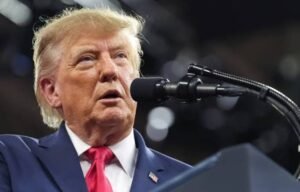

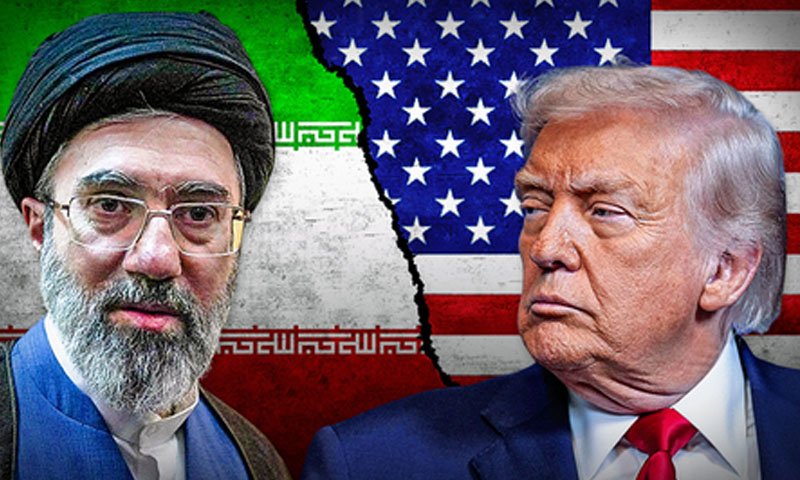

WASHINGTON: US President Donald Trump has claimed that Washington and Tehran are on the verge of finalising a major peace agreement, as new reports revealed details of a proposed framework involving ceasefire arrangements, sanctions relief and the reopening of the strategically critical Strait of Hormuz.
In a statement shared on Truth Social, Trump said extensive consultations had taken place with key regional leaders regarding a Memorandum of Understanding aimed at securing peace with Iran. He stated that the agreement had “largely been negotiated”, although some final details were still being discussed before any formal announcement.
According to Trump, the discussions included Saudi Crown Prince Mohammed bin Salman, UAE President Mohammed bin Zayed Al Nahyan, Qatar’s Emir Tamim bin Hamad Al Thani and Prime Minister Mohammed bin Abdulrahman Al Thani, along with senior Qatari official Ali Al-Thawadi.
Pakistan’s Chief of Army Staff Field Marshal Asim Munir was also part of the consultations, alongside Turkish President Recep Tayyip Erdogan, Egyptian President Abdel Fattah el-Sisi, Jordan’s King Abdullah II and Bahrain’s King Hamad bin Isa Al Khalifa.
US news outlet Axios reported that the proposed understanding could extend the current 60-day ceasefire arrangement while ensuring that the Strait of Hormuz remains fully open without any restrictions or blockades during that period.
The draft framework reportedly includes measures that would allow Iran to continue exporting oil to international markets through partial sanctions relief. Washington may also ease restrictions on Iranian ports and soften certain economic penalties imposed on Tehran.
The report added that negotiations over Iran’s nuclear programme would continue under the proposed arrangement, with Tehran expected to provide assurances that it would never pursue nuclear weapons.
Iranian media outlets also disclosed additional details of the proposed framework. According to reports, one of the key clauses states that neither the United States and its allies nor Iran and its allies would launch attacks against each other. Tehran would also refrain from any pre-emptive military action against Washington or its partners.
Iran’s Tasnim News Agency reported that the framework additionally seeks to end conflicts across multiple regional fronts, including Lebanon, and would require Israel to halt military operations there under the proposed arrangement.
Tasnim further claimed that a separate 30-day phase could address disputes linked to the Strait of Hormuz and regional blockades, while nuclear negotiations may continue over a broader 60-day timeline.
However, Iranian media stressed that Tehran has not yet formally accepted any practical measures concerning its nuclear programme, indicating that significant differences still remain between both sides.
Meanwhile, The New York Times reported that Iran’s enriched uranium stockpile is expected to become a central issue during negotiations that could continue for between 30 and 60 days.
Trump also confirmed holding a separate conversation with Israeli Prime Minister Benjamin Netanyahu, saying the talks “went very well” amid ongoing diplomatic efforts to avoid wider regional escalation.
About The Author