

US President Donald Trump says Iran could face major military punishment following Houthi attacks on Saudi oil tankers, as escalating regional tensions push global oil prices above $100 per barrel.
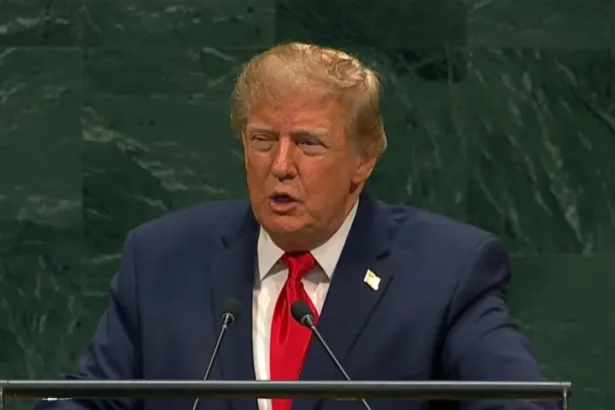
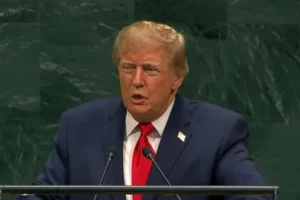
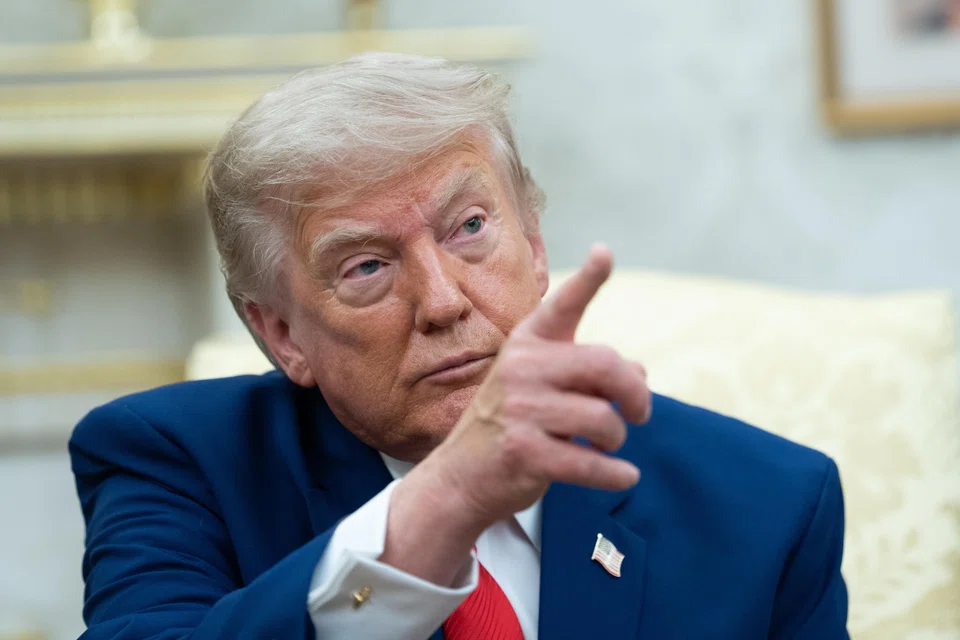
DUBAI: US President Donald Trump said Thursday that he is weighing “major military punishment” against Iran and its Houthi allies after Yemeni fighters reportedly attacked two Saudi oil tankers in the Red Sea, dramatically escalating tensions across the Middle East.
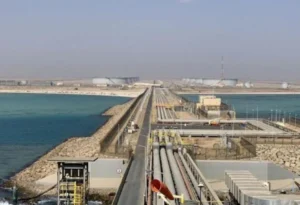
The latest developments have intensified concerns that the conflict could spread beyond the Strait of Hormuz to the Bab el-Mandeb Strait, another vital global shipping route. The growing security risks sent global oil prices soaring, with Brent crude climbing more than 6 percent to exceed $100 per barrel for the first time since May.
In a post on Truth Social, Trump warned that Iran would be held directly responsible for any future attacks carried out by the Houthis, whom Washington considers an Iranian-backed proxy force.
“If they do this again, the US will hold Iran responsible,” Trump wrote, adding that both Iran and the Houthis would face “major military punishment.”
US Secretary of State Marco Rubio echoed the administration’s stance, saying Iran would continue paying a higher price each night until it agreed to a lasting peace arrangement. He accused Tehran of repeatedly violating previous agreements.
The Houthis claimed responsibility for missile and drone attacks targeting the Saudi oil tankers Encelia and Layla. A maritime security source said the Encelia issued a distress signal after reportedly being struck by a missile near the Saudi port of Jizan, causing a fire at the vessel’s bow. Saudi state media confirmed the fire, while the reported attack on the Layla could not be independently verified.
Separately, Iran announced it had targeted US military facilities and logistics sites in Jordan and Kuwait. Jordan’s military said it intercepted nearly all incoming missiles and drones, with one missile landing in an uninhabited area.
Iranian officials vowed to continue retaliatory operations as long as US strikes persist, raising fears of a broader regional conflict involving multiple countries.
The heightened security threat has also rattled global energy markets. Several oil tankers have reportedly altered their routes to avoid the Bab el-Mandeb Strait, increasing shipping costs and fueling concerns over inflation worldwide.
About The Author