

Improved crude exports through key shipping routes eased immediate supply concerns, though geopolitical tensions and higher transport costs continued to support the global oil market.
Global oil prices moved lower on Friday as stronger crude shipments through the Strait of Hormuz eased fears of supply disruptions, offsetting concerns stemming from continued geopolitical tensions in the Middle East.
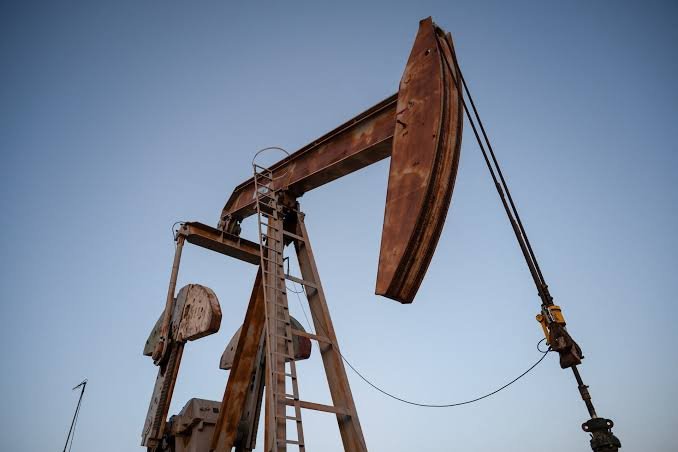
Brent crude futures fell $1.03, or 1.2%, to $88 per barrel, while US West Texas Intermediate (WTI) crude dropped $1.50, or 1.8%, to $82.09 per barrel. Despite the daily losses, both benchmarks remained on course to post monthly gains of nearly 20%, reflecting the market’s continued sensitivity to regional developments.
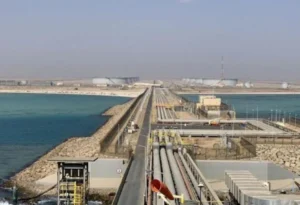
The latest decline was largely attributed to improving oil exports through the Strait of Hormuz, one of the world’s most critical energy transit routes. Increased shipments helped reassure traders that global supplies remain stable, reducing immediate concerns over potential shortages.
The Strait of Hormuz handles nearly one-fifth of global crude oil and liquefied natural gas exports, making it a key artery for international energy markets. The waterway has been closely monitored since regional tensions escalated following the conflict involving the United States, Israel, and Iran.
Meanwhile, Saudi Arabia is working with regional partners to enhance maritime security across strategic shipping lanes, including the Bab el-Mandeb Strait, the Red Sea, and the Gulf of Aden. Saudi officials said 14 countries have backed a proposed multinational maritime security initiative aimed at safeguarding commercial shipping and ensuring uninterrupted energy supplies.
However, uncertainty continues to weigh on market sentiment after Yemen’s Houthi movement announced a naval blockade targeting Saudi Arabia, raising fresh concerns about the safety of vessels using the Red Sea, an important alternative route for global oil exports.
About The Author