
Voters prioritize economic stability, institutional reform, and stronger European ties after years of centralized power
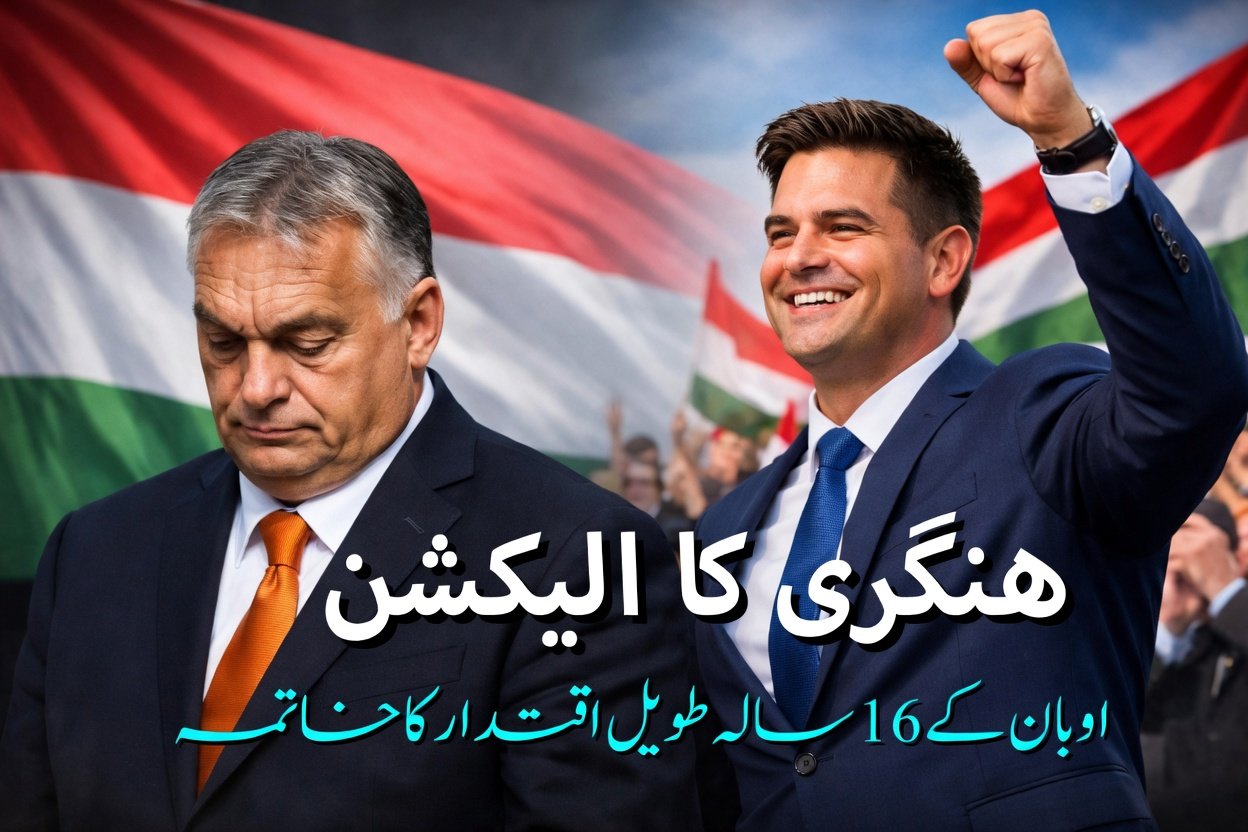
HUNGARY: Hungary’s recent election marks a decisive political transition as longtime Prime Minister Viktor Orbán conceded defeat after nearly 16 years in power, paving the way for Péter Magyar to emerge as a new political force.
The outcome reflects a gradual shift rather than a sudden upheaval. Over the years, concerns mounted over institutional independence, media freedom, and the concentration of power. Public sentiment, particularly among younger voters, increasingly leaned toward transparency and accountability.
Economic challenges further shaped voter behavior. Prolonged tensions with the European Union led to the suspension of billions in funding, contributing to inflationary pressures and slowing development. As living costs rose, economic realities began to outweigh ideological narratives.
Hungary’s foreign policy stance also drew scrutiny. Orbán’s perceived alignment with leaders such as Donald Trump and JD Vance, along with relatively softer ties with Vladimir Putin, positioned Hungary at odds with broader European consensus, particularly after the Ukraine conflict.
Magyar capitalized on this environment with a message centered on balance, institutional reform, and renewed engagement with Europe. Analysts view the election as a public response to governance fatigue and economic strain rather than purely ideological rejection.
Looking ahead, the new administration faces immediate challenges, including restoring ties with the European Union and implementing structural reforms. While Orbán is expected to remain an influential opposition figure, the election underscores a broader democratic principle: political authority ultimately rests with the electorate.
About The Author