

Tehran warns of expanding military response and possible disruption to global oil routes as tensions with the United States intensify.
Iran has vowed retaliation and warned of continued pressure on United States military forces in the Middle East, while signaling that the strategic Strait of Hormuz could remain closed if the conflict intensifies.
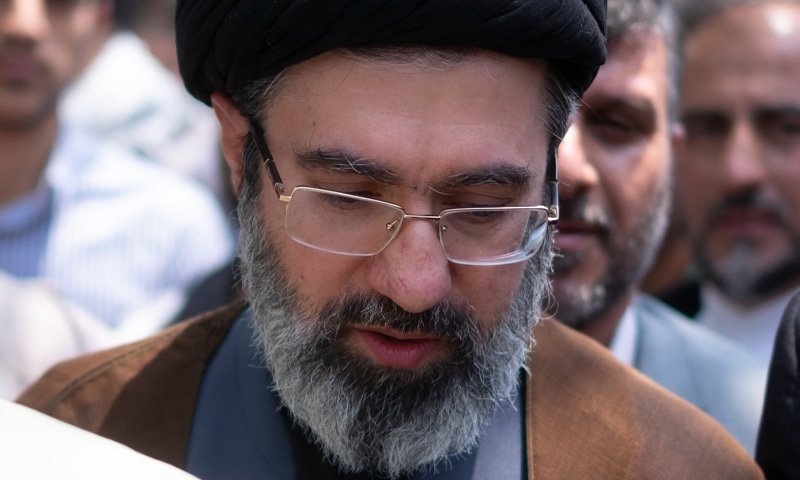
In his first public statement since succeeding his father Ali Khamenei, Iran’s Supreme Leader Mojtaba Khamenei pledged to avenge those killed in the escalating war. The remarks were broadcast on Iranian state television Thursday.
“We will not refrain from avenging the blood of your martyrs,” the statement said, referencing what Tehran claims was a deliberate attack on a school in Minab that reportedly killed children.
Khamenei warned Iran would respond to further attacks and suggested additional military operations could follow if hostilities continue.
Strategic Oil Route at Risk
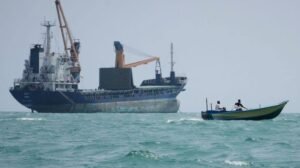
Iran indicated it could continue using the closure of the Strait of Hormuz as leverage. The narrow waterway along Iran’s southern coast carries roughly 20% of global oil shipments, making it one of the world’s most critical energy chokepoints.
Tehran also urged neighboring countries to shut down American military bases operating on their territory, while insisting Iranian forces had targeted only US installations rather than regional states.
Call for Quds Day Mobilization
Khamenei called on citizens to join rallies marking Quds Day, saying mass participation would demonstrate public support for Iran’s stance.
He also praised the regional “Resistance Front,” describing allied movements across the Middle East as key partners in Iran’s strategy.
The war began after a joint bombing campaign by the United States and Israel targeted Iranian facilities in late February.
According to the International Energy Agency, the conflict has already triggered the largest disruption to global energy supplies in modern history. Regional casualties are estimated at around 2,000 deaths.
Despite claims by Washington and Tel Aviv that much of Iran’s long-range capability has been destroyed, drones were reported flying Thursday over several Gulf states including Kuwait, Iraq, United Arab Emirates, Bahrain, and Oman.
About The Author