

Israeli airstrikes on Iran’s strategic defense and energy infrastructure triggered a fresh wave of Iranian missile attacks, threatening fragile U.S.-backed peace efforts and sending oil prices sharply higher.
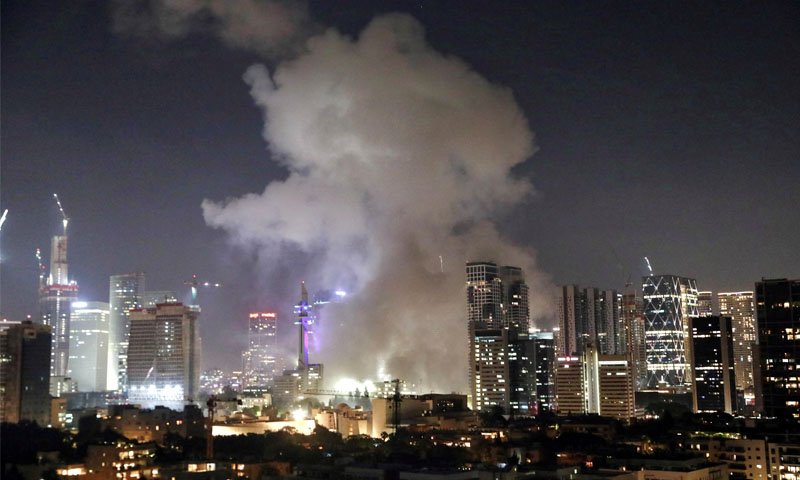
A fragile ceasefire between Israel and Iran came under severe strain on Monday after Israeli forces launched major airstrikes targeting Iranian defense systems and energy infrastructure, prompting Tehran to respond with a barrage of ballistic missiles.
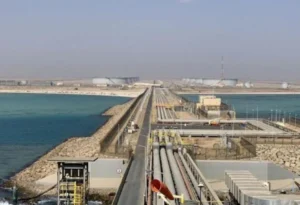
The Israeli operation struck multiple locations across Iran, including Tehran, Isfahan, and Tabriz. The most significant target was the Karun petrochemical plant in the Mahshahr port complex, a critical component of Iran’s energy sector. Iranian authorities ordered an evacuation of the area as emergency teams responded to the damage.
Iran’s Islamic Revolutionary Guard Corps quickly retaliated, accusing Israel of escalating the conflict by attacking civilian and energy-related facilities. Tehran claimed to have launched missiles toward strategic sites in northern Israel, including infrastructure near Haifa and the Ramat David airbase. Israeli defense systems intercepted most incoming missiles, and no immediate casualties were reported.
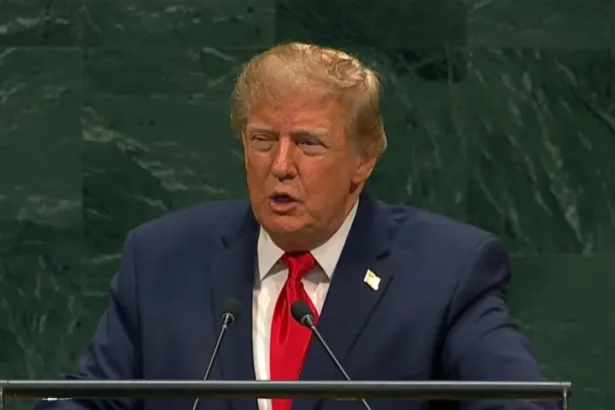
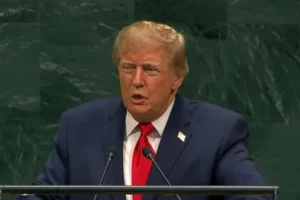
The latest exchange directly challenged diplomatic efforts led by the United States. President Donald Trump had reportedly urged Israeli Prime Minister Benjamin Netanyahu to avoid further military action while sensitive negotiations with Tehran continued behind closed doors. Despite the escalation, Trump insisted the violence would not derail prospects for a broader agreement.
The conflict also disrupted Iranian air travel, with authorities grounding commercial flights and shutting key airports. Meanwhile, tensions expanded beyond Iran and Israel, as fighting involving Hezbollah in Lebanon and missile threats from Yemen’s Houthi movement added new pressure to an already volatile region.
Global markets reacted swiftly, with oil prices surging amid concerns over regional stability and the future of energy supplies. As both sides continue military operations while signaling openness to negotiations, the future of Middle East peace remains uncertain.
About The Author