
ISLAMABAD: A key parliamentary committee on Thursday approved controversial amendments to Pakistan’s financial institutions law that would allow banks to take possession of mortgaged properties belonging to loan defaulters after issuing multiple notices.
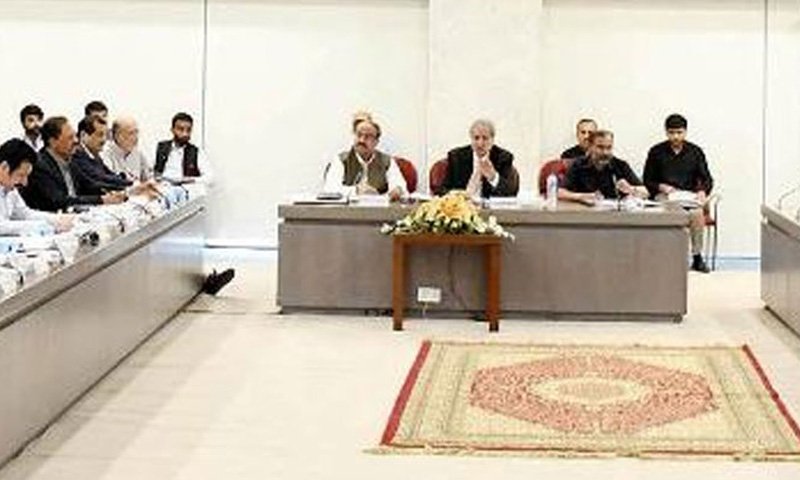
The National Assembly Standing Committee on Finance, chaired by Naveed Qamar, passed the Financial Institutions (Amendment) Bill 2026 during a meeting in Islamabad, triggering debate among lawmakers over borrower protections and the scope of authority granted to banks and local administrations.
Under the proposed legislation, banks will be authorised to take control of mortgaged properties if borrowers fail to repay loans after receiving three notices within a 90-day period. The move is aimed at strengthening recovery mechanisms for financial institutions amid rising concerns over non-performing loans in the banking sector.
The bill also prohibits borrowers from renting out properties financed through house loans to third parties, a clause that drew criticism from some lawmakers who argued it could unfairly restrict homeowners.
Despite the stricter recovery framework, the amendments provide borrowers with a limited relief mechanism. Defaulters would still be allowed to arrange payment plans and submit written requests to banks within 30 days in an attempt to avoid property seizure.
The proposed law further empowers authorities to assist banks in taking possession of defaulted properties. According to officials, deputy commissioners could intervene after banks formally approach the government for support in enforcing recoveries.
Minister of State for Finance Bilal Azhar Kayani told the committee that banks would first send requests to the government before relevant authorities are authorised to proceed with enforcement actions.
However, several lawmakers expressed serious reservations over different provisions of the bill. Committee member Javed Hanif questioned the practice of publicly publishing the names and addresses of defaulters in newspapers, while officials from the law ministry argued that similar provisions already exist under Order 37 of the law.
Officials also clarified that tenants living in such properties should not be directly penalised. They said leased properties would not automatically be handed over to banks without first addressing tenancy-related disputes and legal obligations.
Pakistan Peoples Party lawmaker Nafisa Shah criticised restrictions on renting financed homes, saying that in many countries homeowners commonly rely on rental income to repay housing loans and support their finances.
Committee chairman Naveed Qamar also voiced concerns over granting deputy commissioners and banks expanded authority in property possession matters, indicating that the bill may continue to face scrutiny before becoming law.
The proposed amendments come as Pakistan’s banking sector pushes for stronger legal tools to recover unpaid loans, while critics warn that unchecked enforcement powers could expose borrowers to misuse and increase fears among homeowners already struggling with economic pressures.
About The Author