

ISLAMABAD: Pakistan has successfully launched its first-ever Panda bond, marking what Finance Minister Muhammad Aurangzeb described as a “historic achievement” for the country’s economy and financial future.
The finance minister said the debut Panda bond received an overwhelming response from international investors, signaling renewed global confidence in Pakistan’s economic reforms and fiscal management. The development is being viewed as a significant breakthrough for the country at a time when Islamabad is working to stabilize the economy and strengthen investor trust.
Aurangzeb stated that the successful issuance demonstrated Pakistan’s growing credibility in international financial markets and highlighted the positive impact of the government’s ongoing reform agenda. He added that the response from investors reflected recognition of Pakistan’s efforts to improve macroeconomic stability and implement structural economic changes.
The minister further said the Panda bond launch represents Pakistan’s return to international capital markets and opens a fresh chapter in the country’s economic engagement with global investors. Financial experts believe the move could help diversify Pakistan’s funding sources and reduce reliance on traditional borrowing channels.
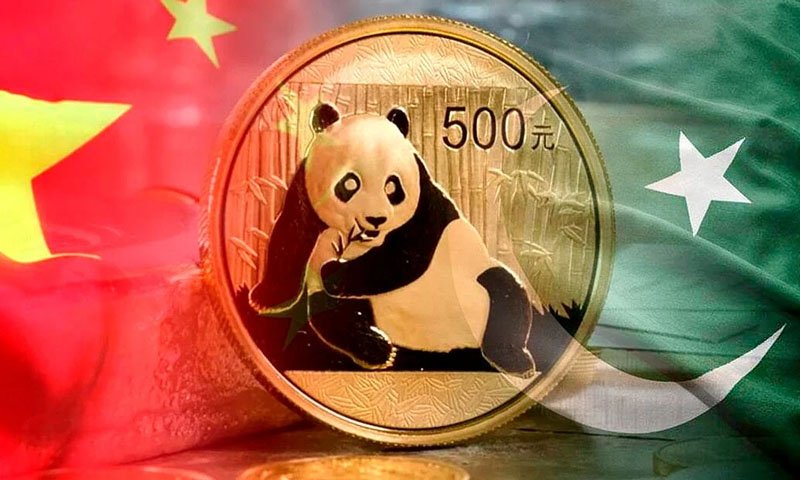
A Panda bond is a yuan-denominated bond issued in China by foreign governments or institutions, allowing issuers to raise funds directly from Chinese financial markets. Pakistan’s entry into this market is being considered strategically important as the country seeks stronger economic cooperation with China and broader access to Asian capital markets.
Economic analysts say the successful launch could improve investor sentiment toward Pakistan and potentially pave the way for future foreign investment. The government has repeatedly emphasized that economic reforms, fiscal discipline, and international partnerships remain central to its long-term recovery strategy.
The latest development comes amid continued efforts by the government to stabilize foreign exchange reserves, control inflation, and restore sustainable economic growth following years of financial pressure and external debt challenges.
About The Author