

By Khalid Jillani Tiwana
In recent days, global attention has been firmly fixed on Islamabad, and it is likely to remain so in the coming days as negotiations between Iran and United States continue following the recent ceasefire. It is important to clarify that these talks have neither failed nor ended. Negotiations are, by nature, a test of nerves where timing, pressure, and strategy play decisive roles.
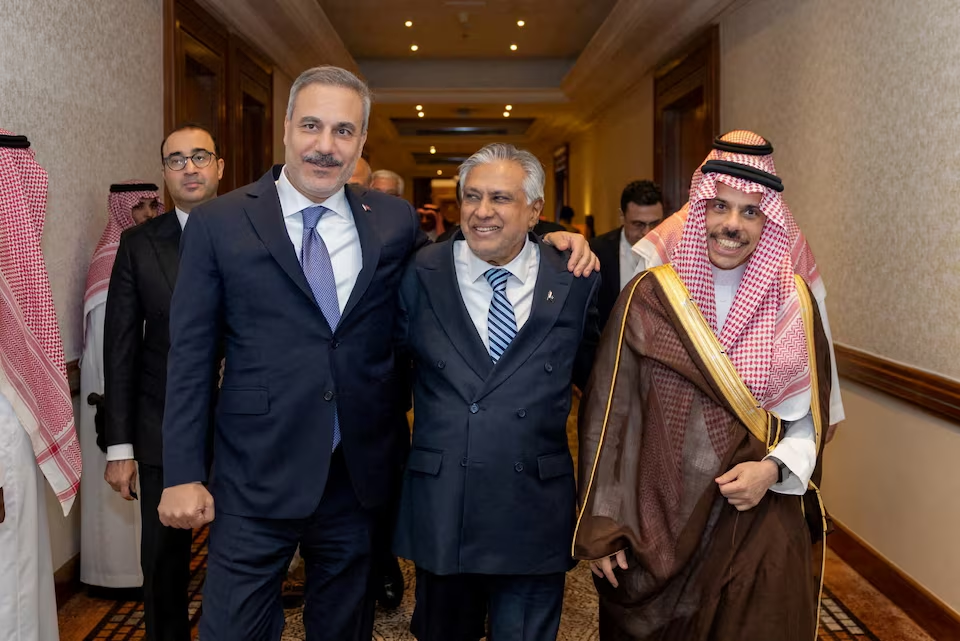
With about a week still remaining in the ceasefire period, there is room for extension if needed. So far, only limited communication primarily from Washington has surfaced, indicating that Iran has not accepted certain US conditions. However, neither side has signaled a breakdown in dialogue, which remains an encouraging sign for peace advocates and for Pakistan as a mediator.
This interim period between negotiation rounds is extremely sensitive. Global and especially Pakistani media carry a heavy responsibility to ensure that misinformation or sensationalism does not disrupt the fragile peace process. When the next round begins, both sides are expected to return better prepared, with clearer strategies and renewed focus.
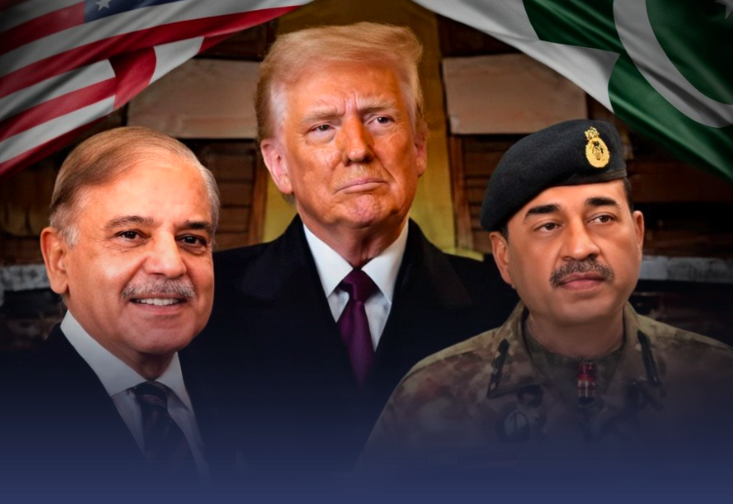
Notably, Pakistan’s diplomatic role has elevated its global standing. However, not all countries may welcome this development. India, for instance, may view Pakistan’s growing importance with concern. Similarly, Israel may see regional peace as conflicting with its broader strategic ambitions.
Despite the tensions, no single country can yet be declared a clear loser. However, some analysts argue that the United States’ global image has faced challenges. Meanwhile, China and Russia are emerging as strong global powers, potentially reshaping the international balance.
The reopening of the Strait of Hormuz could further shift economic dynamics, possibly even challenging the dominance of the petrodollar. At the same time, Iran has already paid a heavy price in leadership and resources, strengthening its resolve.
Ultimately, this ceasefire offers both sides a chance to reassess and return to the table with practical solutions. Encouragingly, Pakistan has re-emerged as a key diplomatic player, contributing to a complex global issue. With support from regional and global partners, there is strong hope that peace efforts will succeed.
As diplomatic engagements continue, patience will be tested. Yet, after a long period of conflict and uncertainty, there is cautious optimism that a new era of stability and peace may soon emerge with Pakistan playing a central role.
About The Author