

FIA says AI-powered passenger profiling and selective phone inspections are essential to curb human smuggling, while legal experts argue the practices may violate constitutional privacy protections.
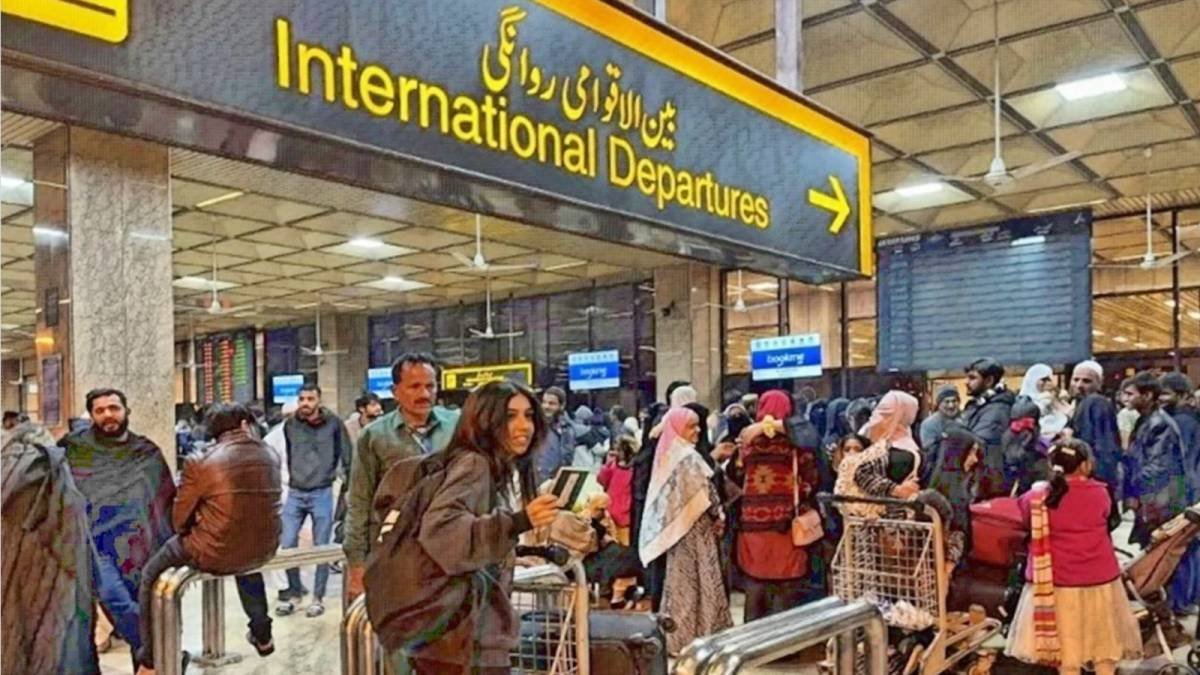
Pakistan’s Federal Investigation Agency (FIA) has defended its use of artificial intelligence-based passenger profiling and selective mobile phone inspections at airports, saying the measures are essential to combat organized human smuggling despite growing concerns over constitutional privacy rights.
Additional Director-General for Immigration Nouman Siddiqui said AI-assisted profiling identifies high-risk travel patterns rather than targeting passengers indiscriminately. According to the FIA, indicators include first-time travelers heading to destinations such as Senegal, Malawi, or Cyprus without clear family, employment, or other legitimate travel connections.
The agency also clarified that mobile phone inspections are carried out only in limited cases where officers suspect links to human smuggling networks. FIA officials said the approach is intended to prevent abuse of visit visas after thousands of Pakistani citizens reportedly failed to return from overseas trips in recent years, damaging the country’s international reputation and increasing scrutiny of genuine travelers.
However, the policy has drawn criticism from legal experts and civil rights advocates, who argue that the agency may be exceeding its legal authority.
Immigration lawyer Umar Gilani said immigration officers are authorized to examine passports, visas, and other travel documents, but requiring passengers to unlock their smartphones amounts to a search and seizure. He argued that such actions should only occur as part of a formal criminal investigation conducted under the law.
Gilani further maintained that forcing travelers to provide access to personal devices could violate the right to privacy guaranteed under Article 14 of Pakistan’s Constitution. He also called for the establishment of an independent immigration tribunal to review immigration decisions and provide oversight to protect fundamental rights.
About The Author