

Nationwide rollout aims to strengthen inclusive emergency communication and expand access for Deaf communities through AI-driven sign language tools.
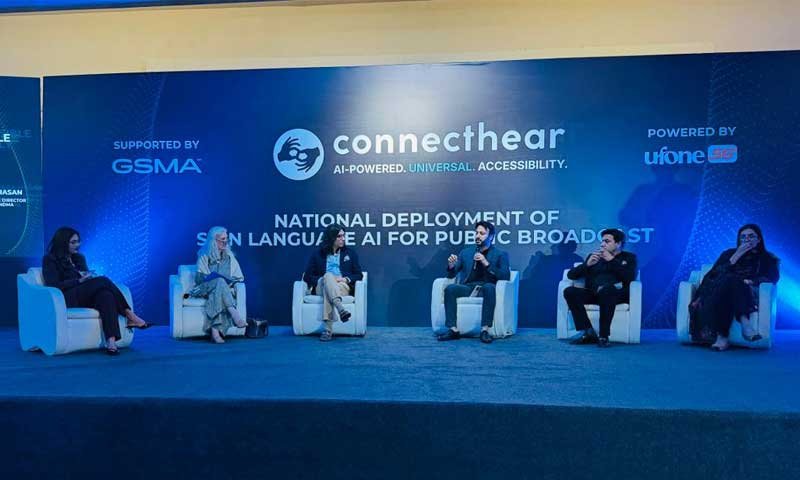
Pakistan has launched a nationwide expansion of an AI-powered sign language communication system designed to improve access to emergency information for Deaf communities. The initiative, led by ConnectHear in partnership with GSMA and Ufone, was announced at a high-level event in Islamabad attended by government representatives, telecom operators, humanitarian organizations and UN-linked stakeholders focused on accessibility and disaster preparedness.
The project builds on the SUNO pilot phase, which delivered sign language-based emergency alerts to around 2,000 people across more than 10 disaster-affected districts in Sindh. The system was developed to function in low-bandwidth environments, allowing users with hearing impairments to receive timely warnings during floods, heatwaves and other emergencies where rapid communication is critical.
With the nationwide rollout, the platform is being integrated into ConnectHear’s virtual interpretation system, expanding its reach to an estimated 50,000 users across Pakistan. Officials said the upgraded framework will strengthen early warning dissemination and help close communication gaps that often place persons with disabilities at higher risk during crises.
International partners, including GSMA representatives, described the project as a scalable model for humanitarian technology, while UK High Commissioner Jane Marriott highlighted its role in improving inclusive disaster readiness. Ufone officials emphasized the importance of leveraging digital infrastructure to ensure critical alerts reach underserved populations. Organizers said future plans include integration with national broadcasting and emergency response systems to ensure continuous, accessible communication.
About The Author