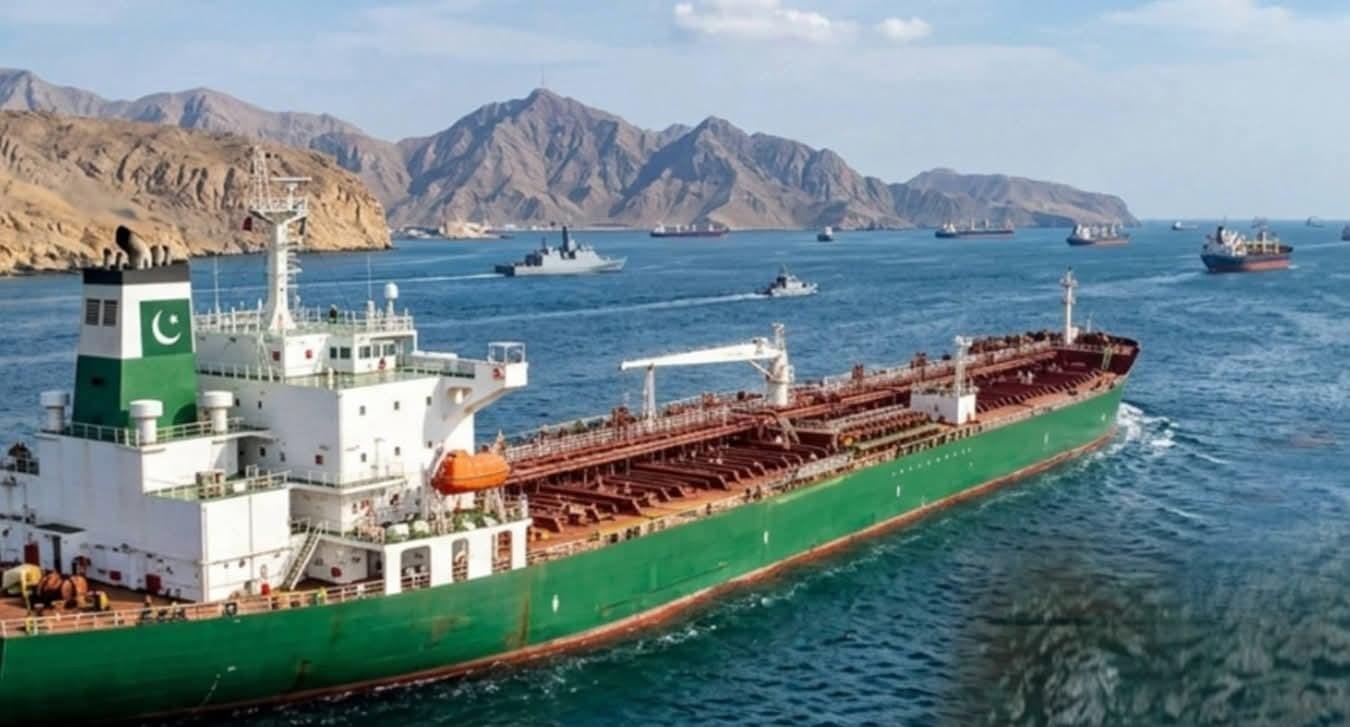

Successful passage highlights resilience of Pakistan’s energy supply chain amid geopolitical uncertainty
A Pakistan-flagged oil tanker has successfully crossed the Strait of Hormuz despite heightened geopolitical tensions and regional instability, marking a significant development for both national and global energy supply chains.
According to reports, the oil tanker Shalamar transported approximately 440,000 barrels of crude oil and safely navigated through the strategic waterway. The vessel departed from Abu Dhabi and is expected to arrive at Karachi Port on April 19.
The successful transit comes at a time when concerns over maritime security and potential disruptions in oil supply routes remain high due to ongoing tensions in the Middle East. The Strait of Hormuz is considered one of the world’s most critical النفط corridors, where even minor disruptions can significantly impact global oil markets.
Experts view this development as a positive indicator of effective contingency planning and maritime security measures. The uninterrupted movement of oil tankers reflects operational resilience and underscores the importance of maintaining secure shipping routes under challenging conditions.
Meanwhile, the International Energy Agency (IEA) has warned that full recovery of energy production in the Middle East could take up to two years. The agency noted that recovery timelines will vary across countries depending on infrastructure, security conditions, and production capabilities.
About The Author