

The Cabinet Committee on Energy is set to review proposed amendments to Pakistan’s Brownfield Refinery Policy, with investors awaiting clarity on incentives tied to multibillion-dollar refinery upgrades.
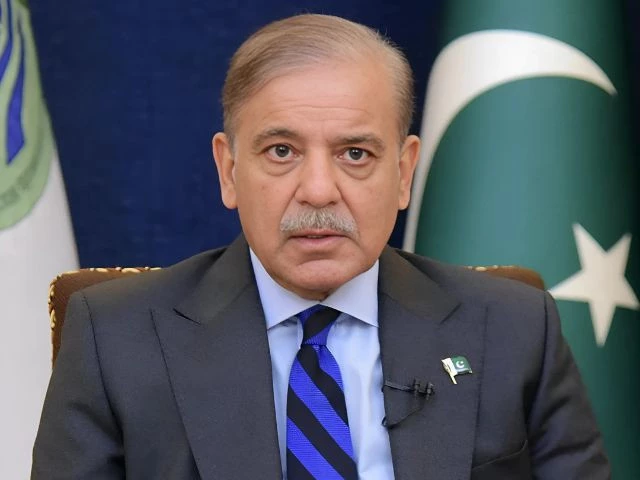
Prime Minister Shehbaz Sharif is expected to take a key decision on Pakistan’s refinery sector as the Cabinet Committee on Energy (CCoE) reviews proposed amendments to the Brownfield Refinery Policy. The outcome could determine the future of billions of dollars in planned investments aimed at modernizing the country’s aging refineries.
Approved in 2023, the Brownfield Refinery Policy was introduced to encourage refinery upgrades and improve fuel quality by supporting the production of Euro-V compliant fuels while reducing furnace oil output. However, disagreements between the government and refinery companies have slowed the policy’s implementation.
The central dispute revolves around deemed duty protection, a financial incentive designed to support refinery modernization. The government has proposed reducing the incentive from 7.5% to 5%, arguing that refiners failed to sign Upgrade Agreements within the required timeframe.
Refinery companies strongly oppose the proposed reduction, saying they had accepted the draft agreements in 2024 and were waiting for the government to arrange the formal signing process. Industry representatives maintain that repeated requests were made to the Petroleum Division and other authorities, and that administrative delays on the government’s side should not result in reduced incentives.
The refining sector has also been affected by changes introduced through the Finance Act 2024, which shifted several petroleum products from the zero-rated sales tax regime to the exempt category. The move increased unrecoverable input tax costs, adding financial pressure to planned refinery upgrade projects. The Petroleum Division has acknowledged that these tax changes have affected the economic viability of the investments.
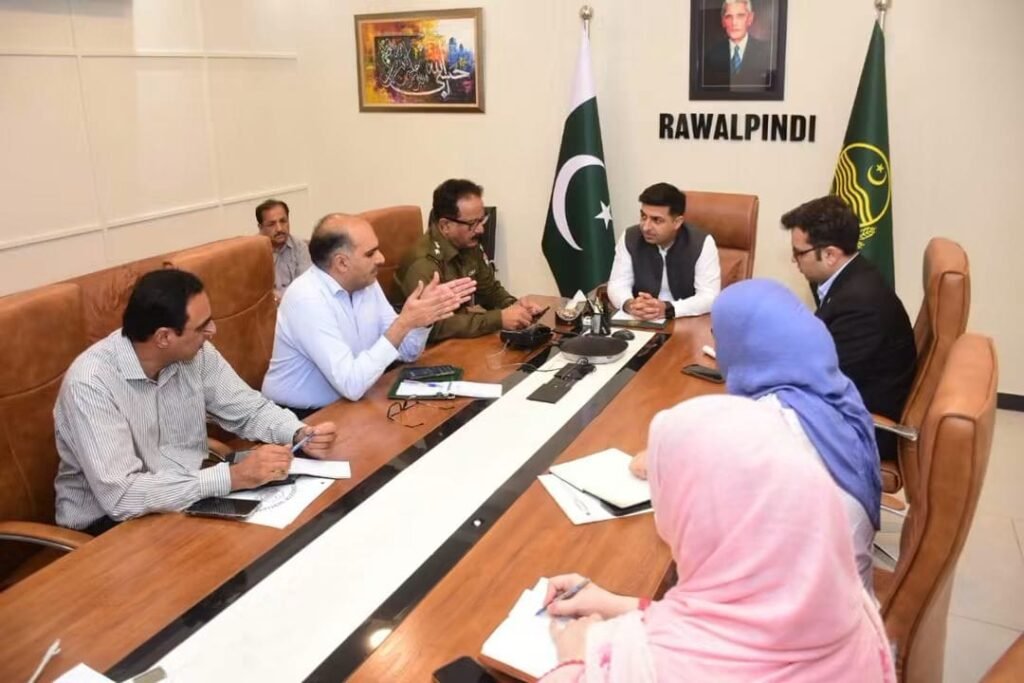
To move the policy forward, the Petroleum Division has proposed limited amendments and recommended the formation of a committee comprising officials from the Petroleum Division, Law Division, OGRA, and the Special Investment Facilitation Council to finalize the Upgrade Agreement.
However, OGRA has expressed reservations about becoming a party to commercial agreements. Chairman Masroor Khan has argued that the regulator should remain focused on its regulatory responsibilities rather than contractual arrangements.
About The Author