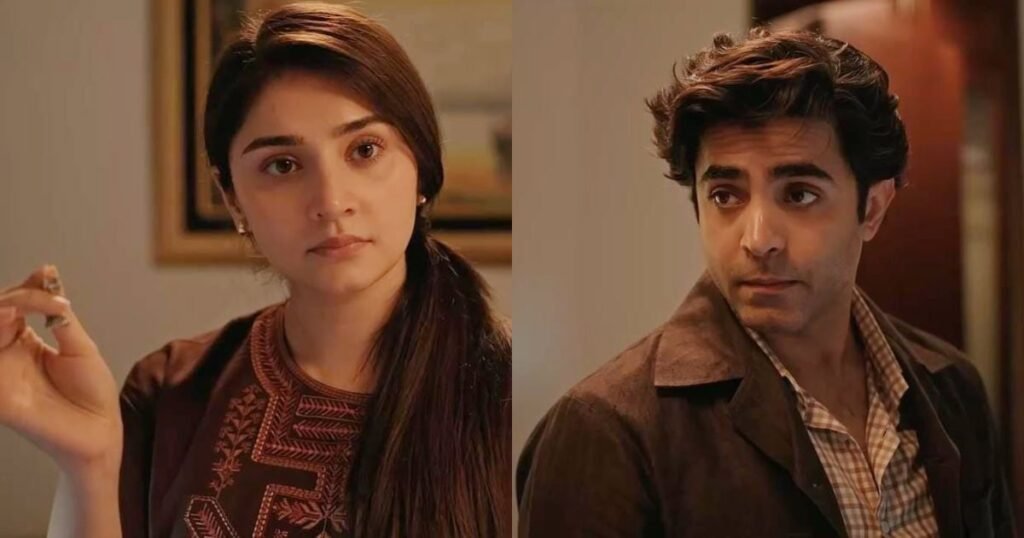

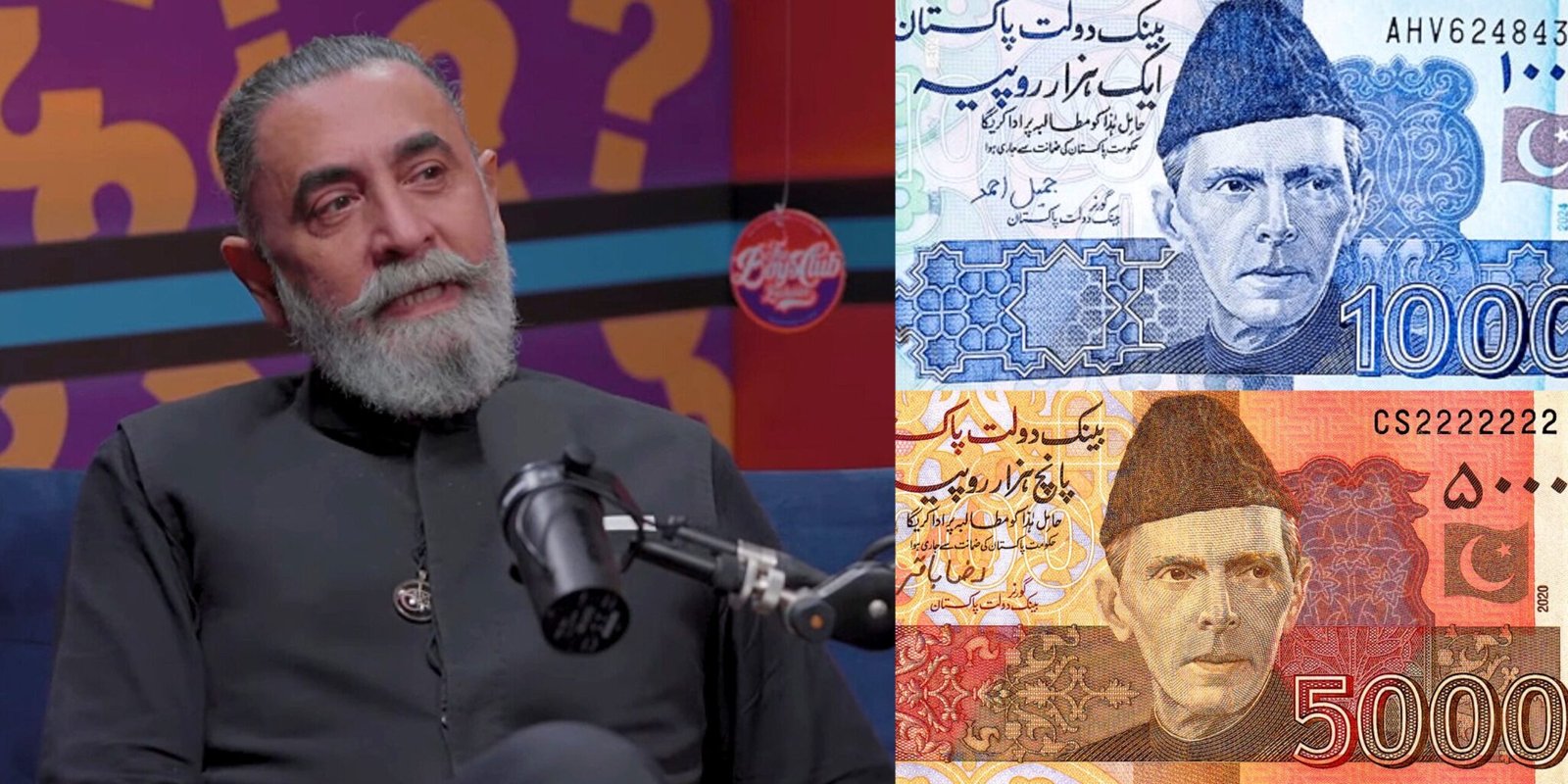

Pakistani television actor Shahzad Nawaz has sparked discussion online after suggesting that the image of the nation’s founder, Muhammad Ali Jinnah, should be removed from Pakistani currency notes due to widespread corruption in society.
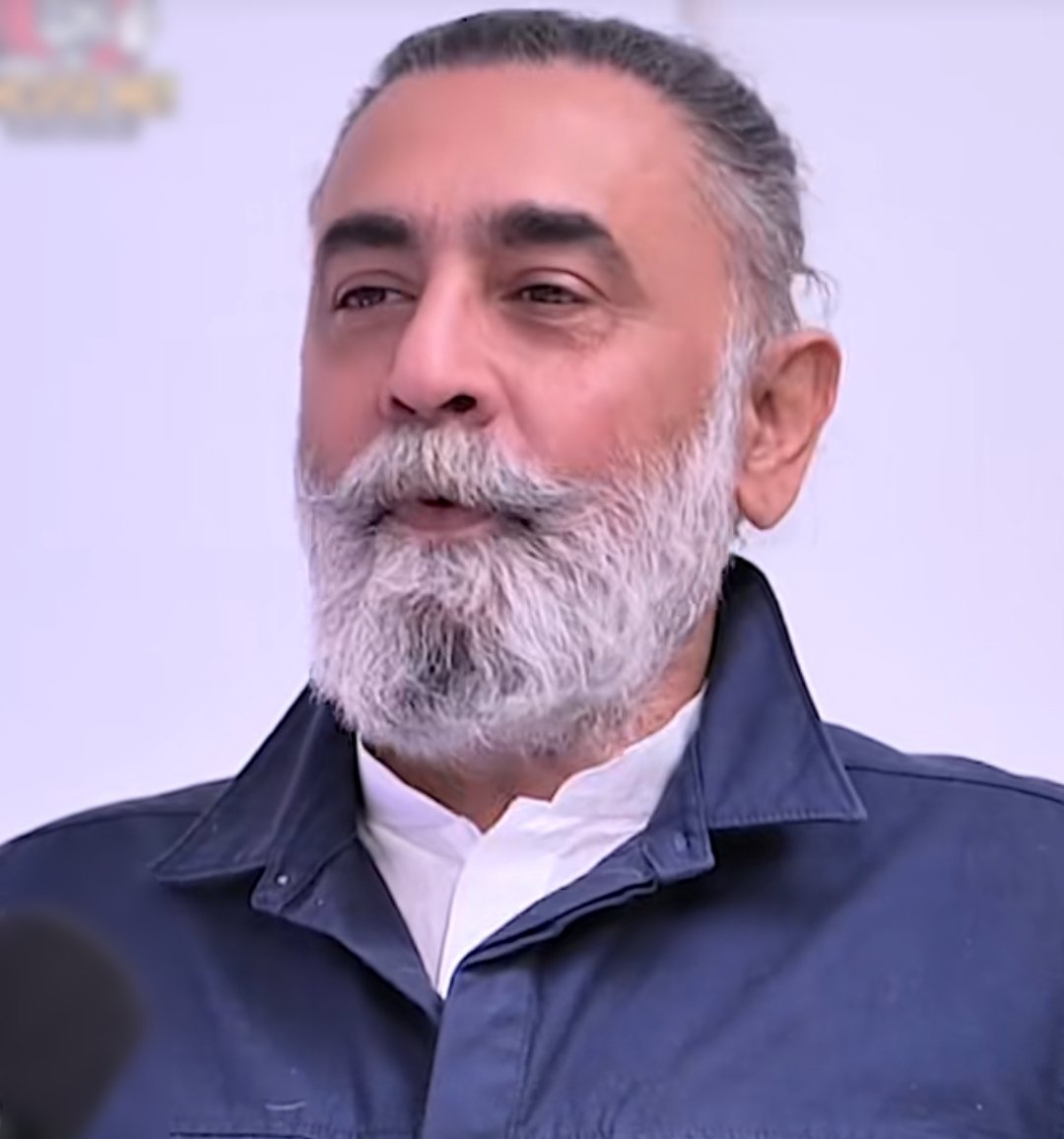
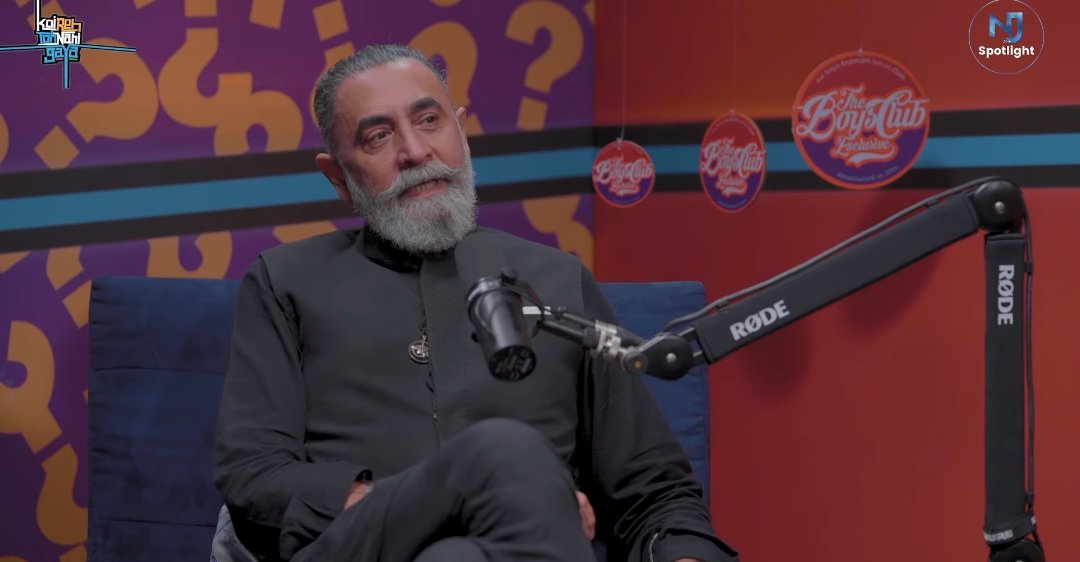
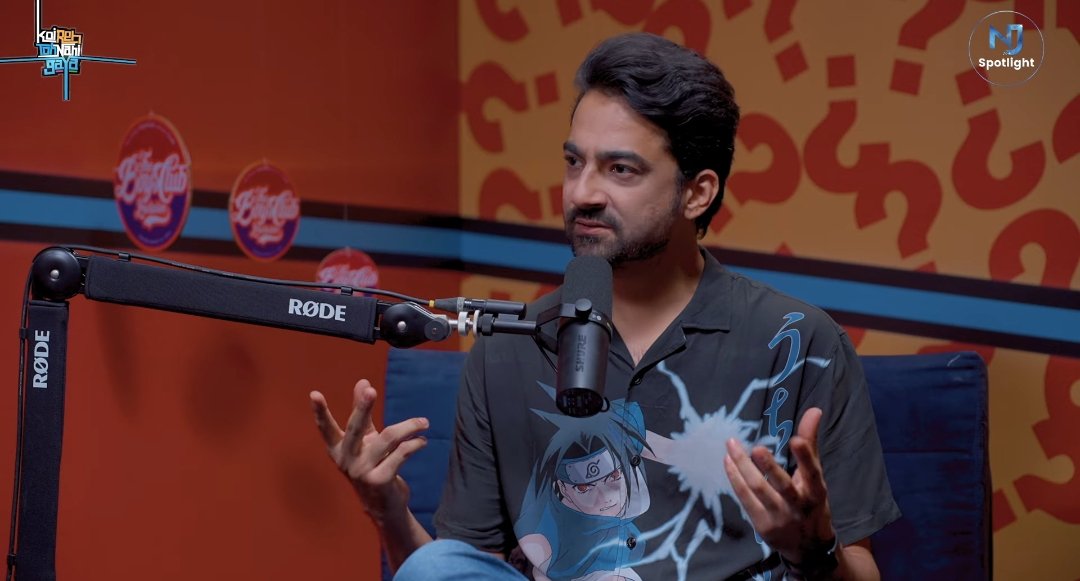
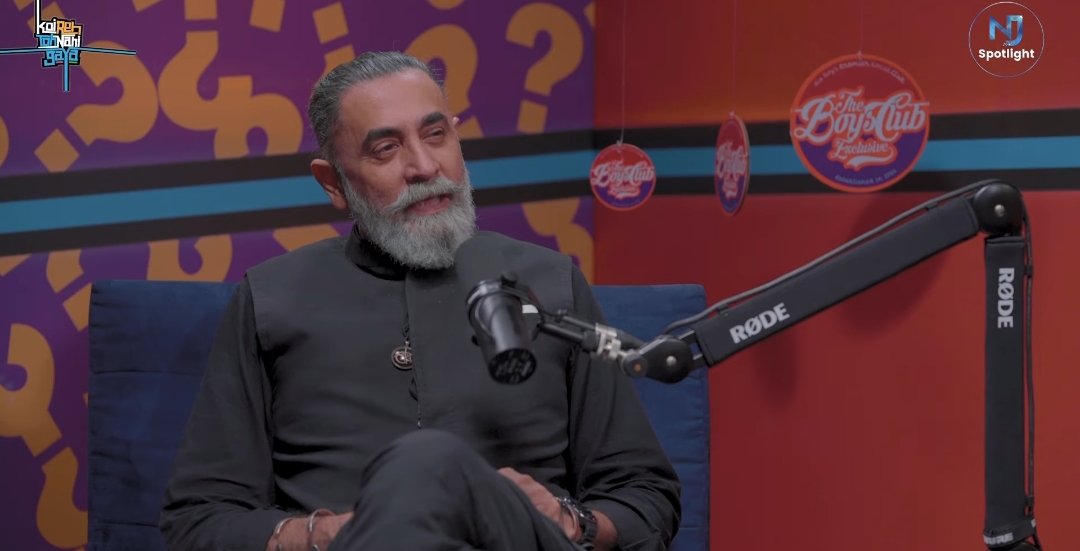
Nawaz, who is known for his performances in popular television dramas including Parizaad, Badshah Begum, Mein and Shanas, made the remarks during a recent podcast episode alongside actor and host Ali Safina.
During the discussion, Ali Safina spoke about how political and cultural narratives often change with different governments. He referred to instances where national figures and symbols are replaced or sidelined, arguing that societies sometimes alter their heroes according to changing political circumstances.
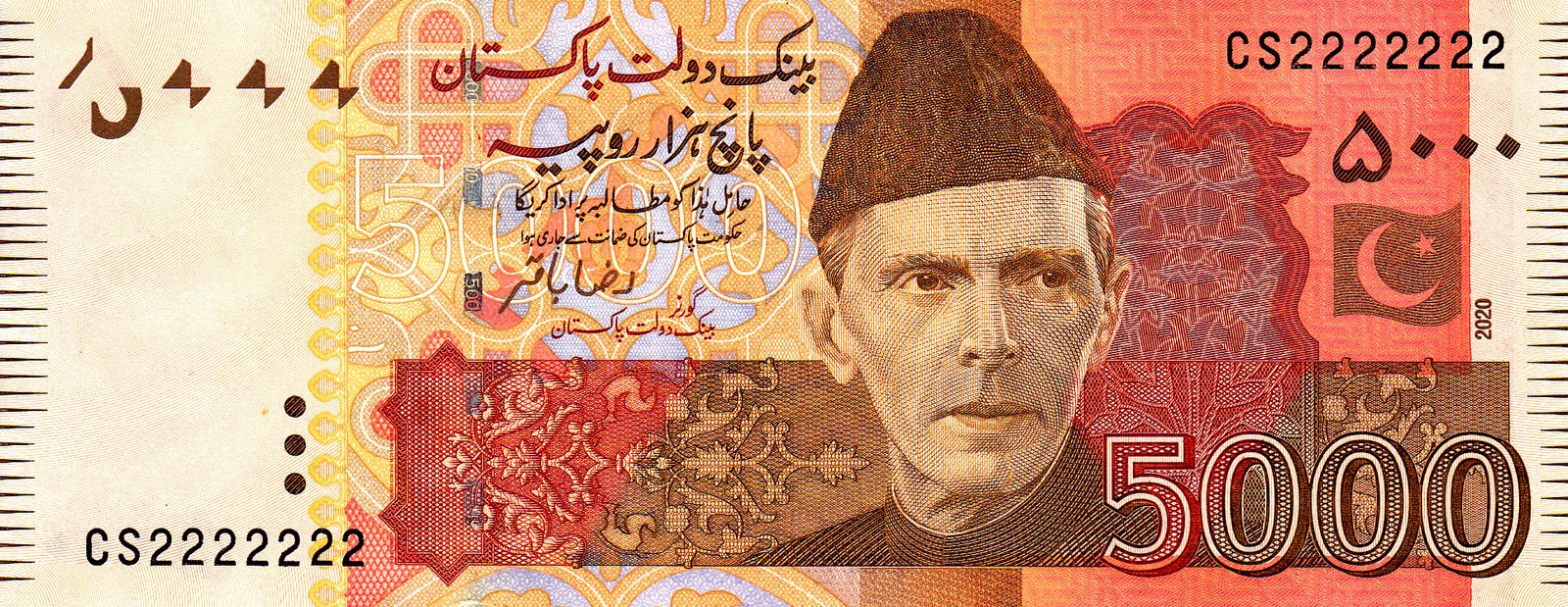
Responding to the discussion, Shahzad Nawaz referenced the presence of Quaid-e-Azam’s portrait on Pakistani currency notes and linked the issue to corruption. He said that if the decision were in his hands, he would remove Jinnah’s image from all currency notes because people continue to engage in bribery, fraud and other corrupt practices while conducting transactions using money that bears the founder’s portrait.
Nawaz argued that the continued misuse of money in corrupt activities reflects a lack of respect for the values associated with Pakistan’s founding leadership. He suggested that displaying Jinnah’s image on currency notes while corruption remains widespread creates a contradiction between national ideals and societal behavior.
The actor also referred to changes made to inscriptions on currency during different political eras. He recalled that during the rule of former President Muhammad Zia-ul-Haq, a religious message emphasizing lawful earnings appeared prominently on currency notes. According to Nawaz, the prominence of that statement was reduced during the tenure of former President Pervez Musharraf, and he suggested that such messages should be reconsidered in the current context.
The remarks have generated mixed reactions on social media. Some users viewed Nawaz’s comments as a symbolic criticism of corruption in Pakistan, while others disagreed with linking the image of the country’s founder to the actions of individuals involved in unethical practices.
The discussion has once again highlighted broader concerns about corruption, national values and the role of public figures in shaping conversations on sensitive political and social issues in Pakistan.
About The Author