
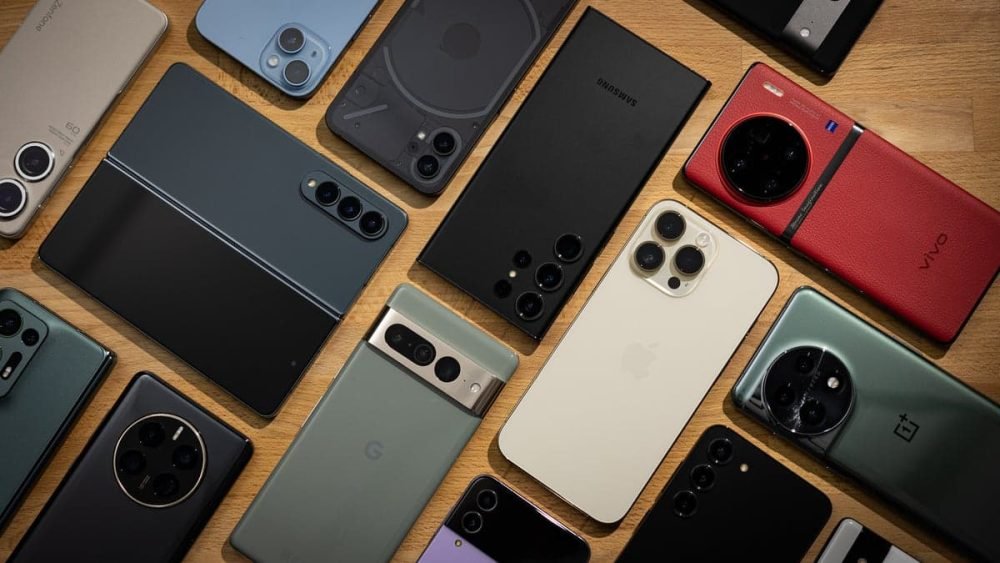

Growing global semiconductor costs and AI-driven demand are expected to increase smartphone manufacturing expenses, potentially leading to higher mobile phone prices in Pakistan.
Pakistan’s smartphone market could soon face another round of price increases as rising global semiconductor costs continue to pressure mobile phone manufacturers. Industry experts warn that increasing production expenses across the technology sector may eventually be passed on to consumers.
The global semiconductor industry is witnessing strong demand for advanced chips, particularly those powering artificial intelligence (AI) data centres and next-generation computing systems. This surge in demand has tightened supply chains and increased manufacturing costs for essential smartphone components.
Beyond advanced processors, manufacturers are also paying more for memory chips, silicon wafers, chip packaging materials and other electronic parts. These higher input costs have significantly raised the overall cost of producing smartphones, prompting many brands to reassess their pricing strategies.
Pakistan is particularly vulnerable to these global price shifts because the local mobile phone market relies heavily on imported devices and components. Any increase in international production costs, combined with import duties and currency fluctuations, can quickly translate into higher retail prices for consumers.
Industry analysts believe both flagship and mid-range smartphones could become more expensive if semiconductor prices continue climbing. However, the extent of any increase will depend on global market conditions, exchange rate movements, shipping costs and import-related expenses over the coming months.
The expected price hike comes at a challenging time for Pakistani consumers, who are already coping with persistent inflation and rising costs across the electronics sector. More expensive smartphones could reduce consumer purchasing power, delay upgrade cycles and soften demand in the local mobile market.
About The Author