

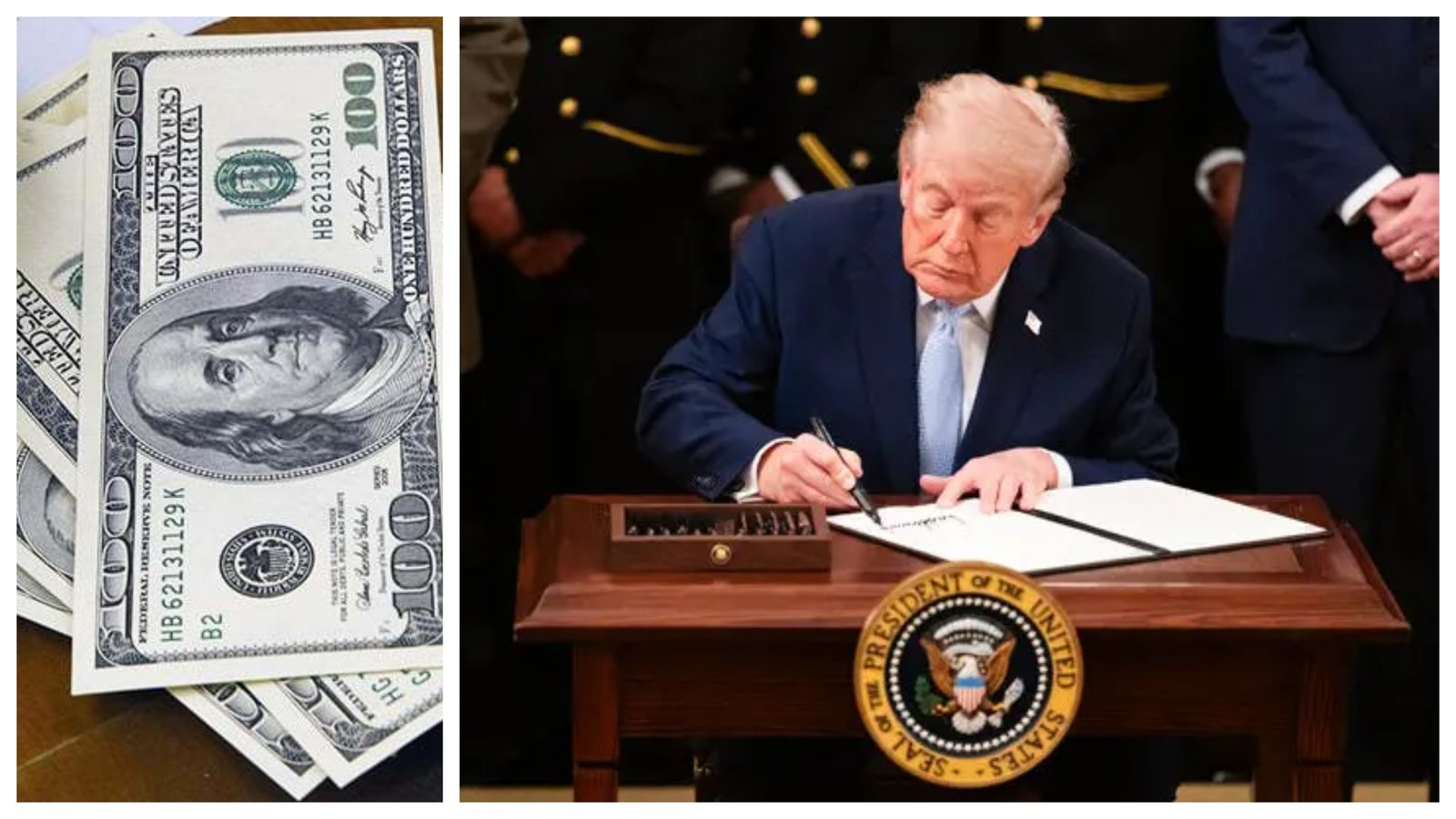

Treasury decision sparks debate as centuries-old currency convention undergoes a symbolic transformation
WASHINGTON: In a move described as both historic and controversial, the U.S. Treasury has announced that future American currency will carry the signature of President Donald Trump, breaking a tradition that has stood for over 165 years.
According to officials, the decision ends a practice dating back to 1861, when U.S. banknotes consistently bore the signature of the Treasurer of the United States. The shift marks the first time a sitting president’s signature will appear directly on national currency, signaling a symbolic change in how financial authority is represented.
The rollout is expected to begin in June, with newly printed $100 bills featuring signatures from both Trump and Treasury Secretary Scott Bessent. The timing aligns with preparations for the 250th anniversary of American independence, framing the change as part of a broader commemorative effort.
Treasury officials say the inclusion reflects national leadership and modernizes the visual identity of the dollar without altering its core design. Existing notes, including those signed by former officials like Janet Yellen, will remain legal tender and continue circulating alongside the new series.
The announcement has triggered debate among economists and policy observers. Some view it as a symbolic update, while others question whether it signals a deeper shift in institutional norms and the independence of federal financial systems.
About The Author