


US pressure on Iran intensifies as attacks, oil disruptions and threats to key shipping routes deepen concerns across the Gulf and Middle East.
WASHINGTON: The United States has intensified economic and diplomatic pressure on Iran as fighting and disruptions to regional energy and shipping routes continue to fuel concerns across the Gulf and wider Middle East.
US Treasury Secretary Scott Bessent told lawmakers that Washington was no longer seeking merely to contain what he described as the Iranian threat, but was pursuing measures aimed at ending it. He characterized the administration’s campaign of economic pressure against Tehran and its allies as unprecedented.
Bessent made the remarks while appearing before the House Financial Services Committee, where lawmakers questioned him about the global financial system, economic conditions and the impact of US sanctions on Iran.
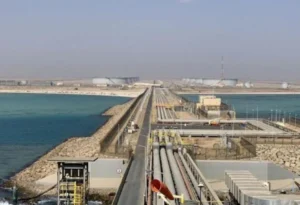
Meanwhile, Saudi Arabia has cancelled crude oil shipments scheduled for late September to European customers after its East-West pipeline was shut following attacks last week. Oil loadings from the Red Sea port of Yanbu have also been suspended, according to shipping industry sources.
The disruption could further affect crude supplies to Europe, which has relied more heavily on Saudi oil shipped through Yanbu since the Strait of Hormuz became inaccessible earlier this year. Sources said Yanbu had only several days of crude stocks available for export when the pipeline was shut.
Turkish Foreign Minister Hakan Fidan called for an immediate halt to reciprocal attacks in the Gulf, saying the violence was affecting diplomatic efforts to end the US-Iran conflict. He also called for freedom of passage through the Strait of Hormuz to be restored.
Iran has meanwhile issued a nationwide passive defence directive covering three possible situations: the end of the war, a ceasefire and a full-scale conflict. Under the full-scale war scenario, authorities would suspend large public gatherings and focus on essential services, resource management, public assistance and operational preparedness.
Qatar warned that any closure of the Bab al-Mandab Strait could have serious global consequences. It urged diplomacy to prevent another major disruption to international shipping following the prolonged closure of the Strait of Hormuz.
In another development, Oman said an oil tanker attacked off its coast was being towed to an Omani port. Twenty-three crew members were evacuated, while two remained missing after a fire broke out in the vessel’s engine room.
Iranian Foreign Minister Abbas Araghchi is scheduled to visit China, where he will meet Chinese Foreign Minister Wang Yi. Beijing has called for a political and diplomatic solution to the US-Iran conflict and expressed concern over the wider regional situation.
The United Nations Security Council is also due to discuss the situation around the Bab al-Mandab Strait following a request from France.
Iran’s Islamic Revolutionary Guard Corps separately claimed that its air defence forces shot down a US MQ-1 Predator drone over the Strait of Hormuz. The claim was reported by Iranian state media and has not been independently verified.
Tensions have also continued between Yemen’s Houthi movement and Saudi Arabia. The Saudi-led coalition said Houthi missile and drone attacks on Khamis Mushait, Abha and Taif injured 13 civilians and damaged seven homes and two vehicles.
Yemen’s government-aligned forces claimed that the Houthis had mobilised more than 76,000 personnel during recent fighting along the western coast and accused the group of receiving support from Iranian and Lebanese experts. Those claims could not be independently verified.
Yemeni government forces separately said they had intercepted three Houthi drones in Taiz and Shabwa as airstrikes targeted Houthi positions in western Taiz.
About The Author