

Gilgit-Baltistan government unveils its Rs218.845 billion 2026-27 budget, focusing on development, social welfare, wheat subsidy and austerity measures.
GILGIT: The Gilgit-Baltistan government on Tuesday presented a Rs218.845 billion budget for the fiscal year 2026-27, with a projected deficit of Rs52.65 billion, following a three-month delay.
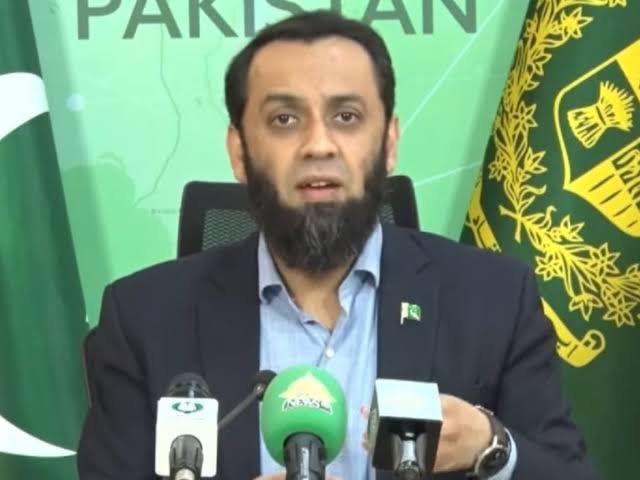
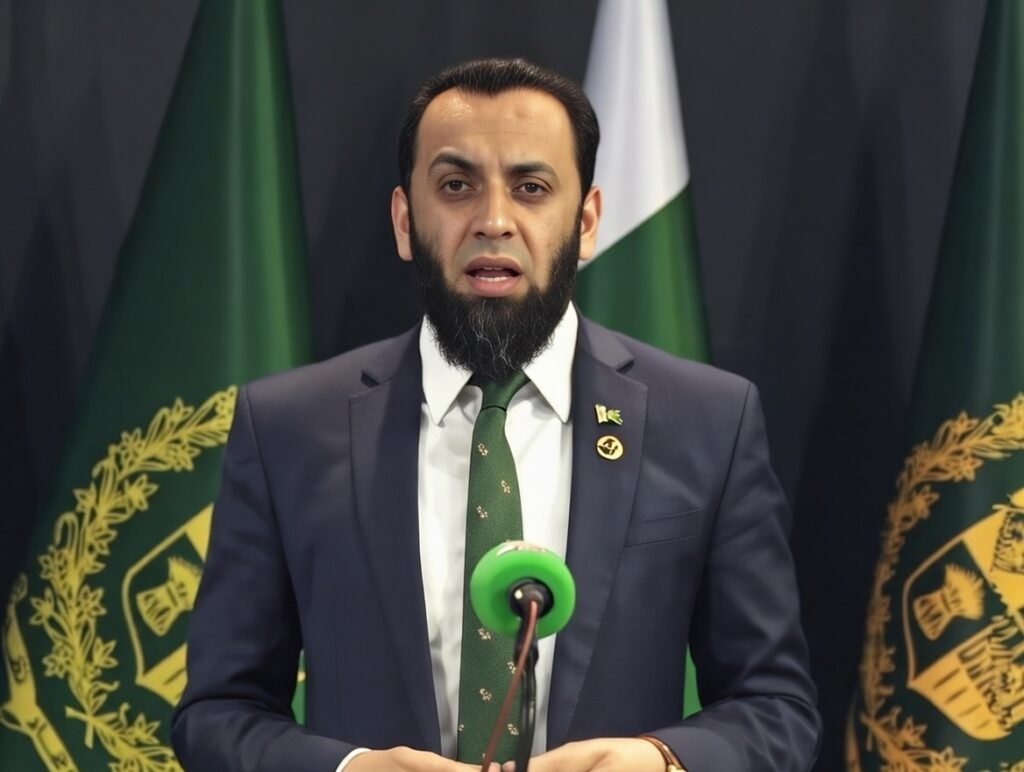
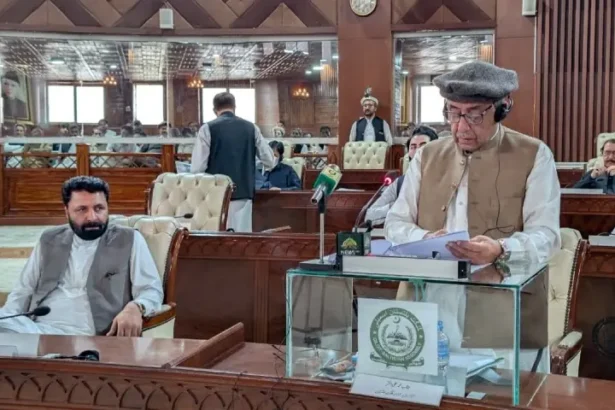
Senior Minister and Finance Minister Mohammad Ali Akhtar presented the budget in the Gilgit-Baltistan Assembly, where the session was chaired by Speaker Imran Nadeem.
The budget focuses on education, healthcare, infrastructure and social welfare, according to the finance minister. Development expenditure has been set at Rs43.97 billion, while Rs149.87 billion has been allocated for non-development spending.
The government has set a tax revenue target of Rs16.98 billion and plans to seek additional federal assistance to bridge the projected deficit.
The Annual Development Programme allocation has been increased from Rs22 billion to Rs23 billion, while the allocation under the federal Public Sector Development Programme has risen to Rs20.973 billion. The latter includes Rs4 billion under the prime minister’s package.
The wheat subsidy has been increased from Rs15 billion to Rs22 billion, while revenue from wheat sales is estimated at Rs3 billion.
The GB government has also requested a special stabilisation package of around Rs153.3 billion from the federal government. The proposed package is intended to support local governments, law and order, education, health, tourism, agriculture, food supplies, municipal services and e-governance, as well as help clear outstanding liabilities and meet flood-related expenses.
Under the budget, the minimum wage for employees in government and private institutions has been raised from Rs40,000 to Rs44,000. Around Rs63.57 billion has been earmarked for salaries.
The government has allocated Rs1 billion for social protection and proposed establishing a Rs4 billion endowment fund for the social sector.
To address climate-related challenges, the government plans to set aside 1% of development funds in a consolidated climate account. It will also purchase hybrid vehicles for government departments and auction older, fuel-intensive vehicles.
As part of austerity measures, the non-development budgets of government departments are being reduced by 30%.
Additional funds have been allocated for healthcare, agriculture and water management. The medicines budget has been increased by Rs170 million, while an allocation has also been made for a health endowment fund.
The government has earmarked Rs50 million for water management and another Rs50 million for agriculture reforms. A further Rs50 million each has been allocated for youth loans, local government elections and the renovation of local government offices.
For development projects across 10 districts, Rs5.034 billion has been allocated. The water and power department will receive Rs78 million, while Rs18 million has been set aside for tourism-related initiatives.
The GB cabinet approved the budget before it was presented in the assembly. The government had earlier approved a Rs20.478 billion interim budget for the first quarter to maintain essential services while the newly formed administration prepared the full-year budget.
About The Author