

Energy costs tied to global instability as Pakistan balances subsidies, IMF conditions, and import pressures
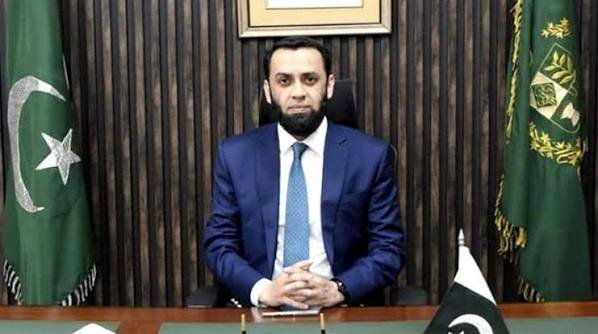
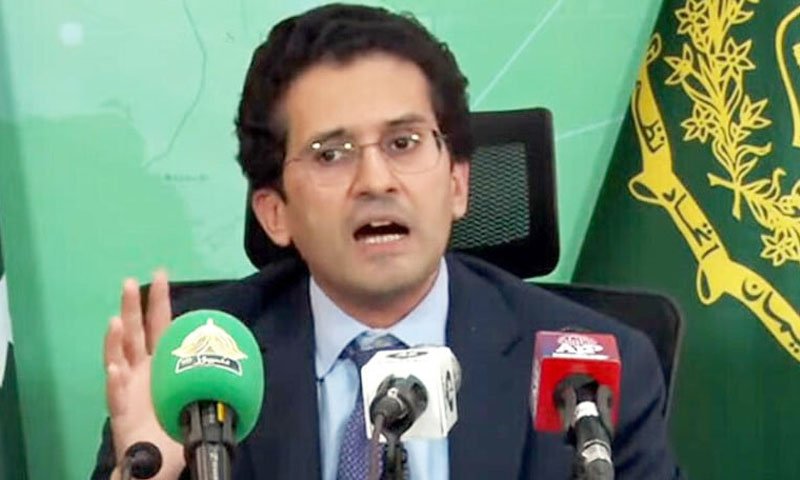
ISLAMABAD: Petrol prices will remain volatile until permanent ceasefire is achieved in regions driving global energy uncertainty, Petroleum Minister Ali Pervaiz Malik said on Sunday, warning that fuel costs are likely to stay unpredictable amid ongoing geopolitical tensions and supply chain disruptions.
The minister said Pakistan, being a net oil importer, remains directly exposed to international crude oil market fluctuations and can only provide limited relief to consumers within its fiscal constraints.
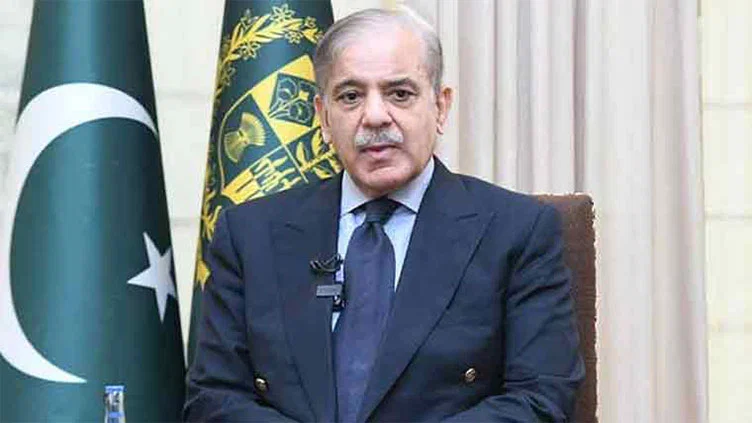
He noted that Prime Minister Shehbaz Sharif, along with senior leadership including the Deputy Prime Minister and the Field Marshal, played a significant role in stabilising the country’s response during the recent energy and economic pressures.
Ali Pervaiz Malik highlighted extreme volatility in global oil markets, stating that diesel prices stood near $90 per barrel on February 28 but later surged sharply, at one point reportedly exceeding $300 per barrel amid heightened global uncertainty.
He stressed that such unpredictable movements make domestic price stability difficult for import-dependent economies like Pakistan.
The minister further explained that the federal government, in coordination with provincial administrations, provided approximately Rs100 billion in subsidies to cushion the impact of rising fuel costs on the public.
He added that unlike some regional countries where panic buying and long queues emerged at fuel stations, Pakistan managed to maintain stable supply chains without major disruption during the crisis period.
Referring to Pakistan’s ongoing International Monetary Fund (IMF) programme, the minister said an agreement includes an Rs80 levy on petrol and diesel, which remains a key component of revenue generation.
He also clarified that adjustments to the petroleum levy have been made in a manner intended to balance fiscal responsibility with public relief, noting that current charges remain lower than pre-crisis levels.
Ali Pervaiz Malik said the government fully understands the financial strain faced by citizens and is committed to responsible policy decisions that avoid further burdening households.
He confirmed that Pakistan has formally requested the IMF to consider a temporary reduction in the petroleum levy to help ease pressure on fuel consumers, although any adjustment would depend on broader programme negotiations.
Economists say continued instability in global energy markets means domestic fuel pricing will likely remain sensitive in the coming months, especially as geopolitical tensions persist and demand-supply imbalances continue to affect crude oil rates worldwide.
About The Author