

Approval expected to unlock fresh funds as Pakistan awaits key IMF decision under ongoing bailout programmes amid economic stabilization efforts
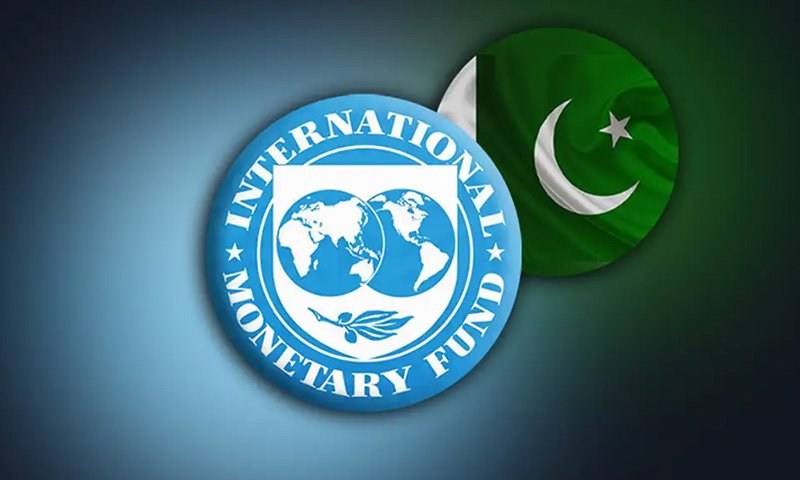
ISLAMABAD: The International Monetary Fund (IMF) Executive Board is expected to meet in the coming weeks to review and potentially approve a $1.2 billion loan disbursement for Pakistan, an IMF official confirmed on Sunday, marking a crucial step in the country’s ongoing financial assistance programmes.
The approval would be part of Pakistan’s commitments under two major IMF arrangements a $7 billion, 37-month Extended Fund Facility (EFF) and a $1.4 billion, 28-month Resilience and Sustainability Facility (RSF). Both agreements were reached at the staff level in March but still require formal endorsement by the IMF’s Executive Board before funds can be released.
According to IMF estimates shared at the time of the agreement, board approval would unlock approximately $1 billion under the EFF and around $210 million under the RSF. This would bring total disbursements under both programmes to roughly $4.5 billion, providing critical external financing support to Pakistan’s struggling economy.
Earlier reports had suggested that the IMF board might meet on May 8 to review Pakistan’s disbursement request. However, IMF Resident Representative in Pakistan Mahir Binici clarified that no final date has been set for the meeting, stating only that discussions would take place “in coming weeks” regarding the March 27 staff-level agreement.
The anticipated funds are considered vital for Islamabad as it continues efforts to stabilise macroeconomic conditions, rebuild foreign exchange reserves, and support the Pakistani rupee, which has faced persistent pressure in recent years amid fiscal and external account challenges.
Pakistan has implemented a series of structural reforms under IMF programmes, including subsidy rationalisation, tax base expansion, privatisation initiatives, and adjustments in the power sector. These reforms are aimed at improving fiscal discipline and strengthening long-term economic resilience.
While the IMF has acknowledged that Pakistan’s reform agenda has contributed to greater economic stability and improved investor sentiment, it has also cautioned that global uncertainties including geopolitical tensions, commodity price volatility, and energy market fluctuations could continue to pose risks to inflation, growth, and external financing stability.
As the country awaits the board’s decision, markets and policymakers alike are closely watching developments, given the loan tranche’s significance in maintaining economic stability and meeting external financing needs in the months ahead.
About The Author