
Experts warn of delayed monsoon, increased heatstroke risks as El Niño conditions intensify
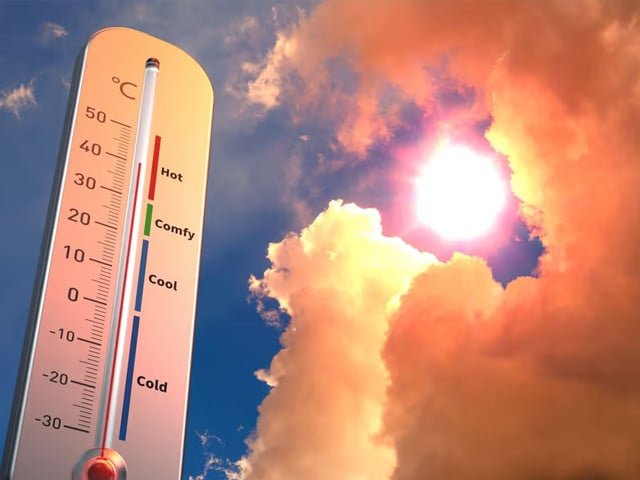
A surge in extreme heat being felt across parts of South Asia is not just a seasonal spike but may signal the growing impact of El Niño, a global climate phenomenon linked to rising ocean temperatures and disrupted weather systems. Meteorologists caution that as May approaches, the situation could worsen, bringing prolonged heatwaves and delayed rainfall, particularly in countries like Pakistan.
El Niño occurs when surface waters in the central and eastern Pacific Ocean become unusually warm. This warming disrupts atmospheric circulation patterns worldwide, often weakening or delaying monsoon systems. For South Asia, this could mean significantly reduced rainfall during a critical period, increasing the likelihood of drought-like conditions and extreme temperatures.
Climate experts warn that the southwest monsoon, which typically begins bringing relief in late May or early June, may arrive late or with reduced intensity this year. The absence of timely rainfall could leave large parts of the region exposed to sustained heat, raising serious public health concerns.
Health authorities are increasingly alarmed about the risk of Heatstroke, a potentially fatal condition caused by prolonged exposure to high temperatures. Unlike typical dehydration, heatstroke can affect even healthy individuals and escalate rapidly without warning.
Medical professionals emphasize that thirst alone is not a reliable indicator of hydration. By the time a person feels thirsty, the body may already be experiencing dehydration. Regular fluid intake is critical, particularly for vulnerable groups such as children and the elderly.
Authorities recommend drinking water consistently throughout the day, even without feeling thirsty, and ensuring that dependents, including children and older adults, are adequately hydrated. Carrying water while outdoors is strongly advised.
The most dangerous window for heat exposure is typically between 11 a.m. and 3 p.m., when solar radiation is at its peak. During these hours, individuals are urged to remain indoors whenever possible and avoid strenuous outdoor activities, including school sports.
Clothing choices can also play a role in heat management. Experts suggest avoiding dark-colored garments, which absorb more heat, and instead opting for light-colored, loose-fitting cotton fabrics that reflect sunlight and allow better airflow.
Recognizing early symptoms of heatstroke can be life-saving. Warning signs include severe headache, nausea, vomiting, dizziness, unconsciousness, and unusually dry skin due to lack of sweating. Immediate first aid measures include moving the affected person to a shaded area, cooling the body with damp cloths, and seeking urgent medical attention.
Animal welfare groups are also urging the public to consider the impact of extreme heat on animals. Providing water and shade for pets and even stray animals can help reduce suffering during peak temperatures.
As climate variability increases, experts stress the importance of awareness and preparedness. Sharing verified safety information and adopting preventive measures could significantly reduce health risks during what may be an intense El Niño-driven summer.
About The Author