
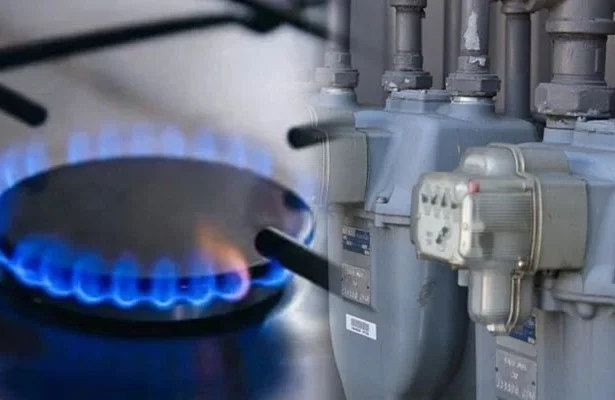

Pakistan’s worsening economic troubles came under intense scrutiny during a meeting of the National Assembly’s Standing Committee on Finance, where officials revealed that the country’s combined circular debt in the electricity and gas sectors has surged to a staggering Rs5.1 trillion.
The disclosure triggered serious concern among lawmakers, as the debt stock has jumped sharply from Rs3.5 trillion recorded last year. Officials described the increase as a sign of deep-rooted structural failures in Pakistan’s energy sector, weak governance and growing fiscal stress on the national economy.
The high-level committee meeting was held to evaluate the country’s economic situation and review fiscal priorities before the announcement of the federal budget for the fiscal year 2026-27. Discussions focused heavily on economic stability, implementation of the International Monetary Fund (IMF) programme and the need for long-term reforms to prevent further financial deterioration.
During the briefing, officials informed lawmakers that Pakistan’s total external debt has now climbed to $137.56 billion, underlining the country’s continued reliance on foreign borrowing to meet financing requirements amid persistent economic instability.
Economic managers told the committee that although some indicators suggest gradual recovery, Pakistan’s economy remains in what they called a state of “unstable stability.” Authorities projected GDP growth between 3.5 percent and 4.5 percent for the upcoming fiscal year, provided that fiscal discipline and reform measures remain on track.
However, fresh concerns emerged over inflation, which officials confirmed has once again entered double digits. The annual inflation rate reportedly reached 10.9 percent in April 2026, driven by rising fuel prices, utility charges and the increasing cost of essential commodities.
Members of the finance committee strongly criticized the government’s continued dependence on indirect taxation and petroleum levies to increase revenue. Several lawmakers argued that imposing higher taxes on fuel and consumption places a disproportionate burden on ordinary citizens and further accelerates inflationary pressure.
The committee chairman also warned that delays in reforms within state-owned enterprises and the energy sector could further destabilize the economy. He stressed the urgent need for institutional reforms, improved governance and stricter financial management to contain the mounting debt crisis.
Lawmakers additionally highlighted growing unemployment, rising poverty levels and increasing socio-economic challenges facing the public. They emphasized that sustainable recovery would require not only fiscal stability but also policies aimed at job creation and improving living standards.
The finance committee is expected to continue consultations on budget proposals and economic reforms in the coming weeks as the government prepares to unveil the federal budget for 2026-27.
About The Author