

Peshawar authorities have declared a health emergency alert ahead of Eid-ul-Adha amid rising concerns over the possible spread of Crimean-Congo Hemorrhagic Fever, as livestock movement and public gatherings intensify across the region.
The health department on Tuesday directed all hospitals and medical facilities in the city and surrounding districts to remain on high alert throughout the Eid holidays. Officials said the precautionary measures were aimed at preventing any potential outbreak during one of the busiest periods of animal trading and transportation in the country.
Under the emergency plan, hospitals have been instructed to ensure uninterrupted emergency and trauma services while maintaining round-the-clock availability of doctors, nurses, and medical staff. Authorities stressed that immediate response capability was essential for handling suspected Congo virus cases without delay.
Specialised Congo virus help desks will also be established in major hospitals to improve early detection, screening, and treatment procedures. Health officials said these dedicated units would help streamline coordination and emergency response efforts during the festive period.
Hospitals were further directed to maintain sufficient stocks of essential medicines, blood supplies, and personal protective equipment to avoid shortages during Eid. Officials warned that preparedness across the healthcare system remained critical given the heightened risk associated with increased livestock activity.
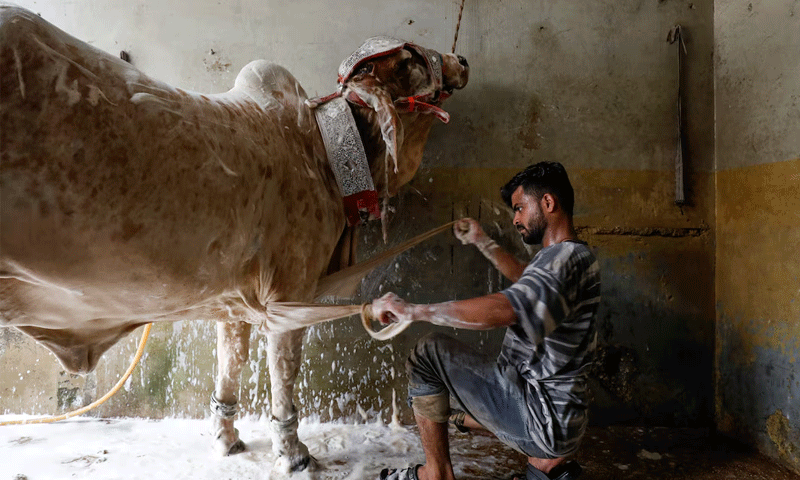
As part of preventive measures, strict monitoring has also been ordered at cattle markets. Authorities said regular disinfection drives and tick-control spraying operations would be carried out to minimise the chances of virus transmission from infected animals.
Crimean-Congo Hemorrhagic Fever is a potentially fatal viral disease transmitted through tick bites or contact with infected animal blood and tissues, particularly during slaughtering activities linked to Eid-ul-Adha. Pakistan records sporadic cases every year, especially during the Eid season when millions of animals are transported and traded nationwide.
Health officials urged citizens, livestock traders, and butchers to follow safety guidelines, use protective clothing and gloves while handling animals, and immediately report any suspected symptoms, including high fever, bleeding, muscle pain, or severe weakness.
The health department said the latest emergency measures were intended to safeguard public health while ensuring the healthcare system remained fully prepared to respond to any emerging situation during Eid celebrations.
About The Author