

High-level Islamabad talks underscore renewed diplomatic coordination as Middle East tensions escalate
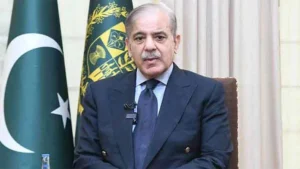
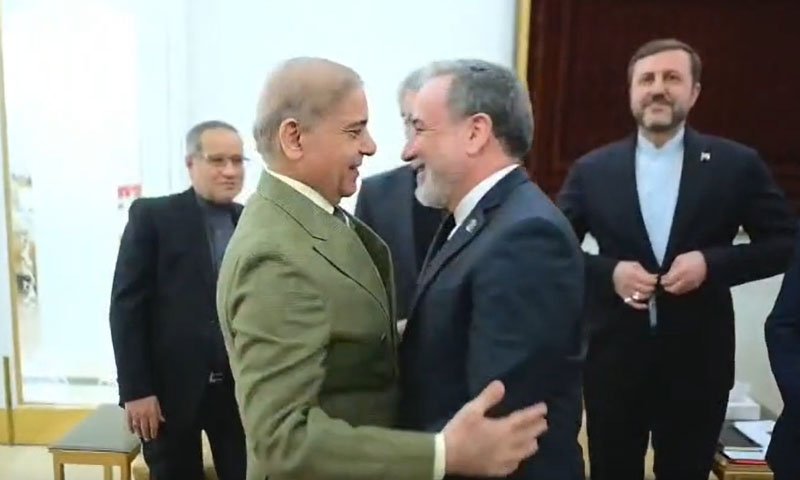
ISLAMABAD: Iran’s Foreign Minister Abbas Araghchi held an extensive meeting with Prime Minister Shehbaz Sharif during his official visit to Pakistan, as both countries reaffirmed their commitment to strengthening bilateral ties and addressing growing regional tensions through diplomacy.
According to official sources, Araghchi arrived at the Prime Minister’s House on Saturday, where he engaged in a nearly two-hour-long discussion with Sharif. The talks covered a wide range of issues, including Pakistan-Iran relations, regional security challenges, and the rapidly evolving situation in the Middle East.
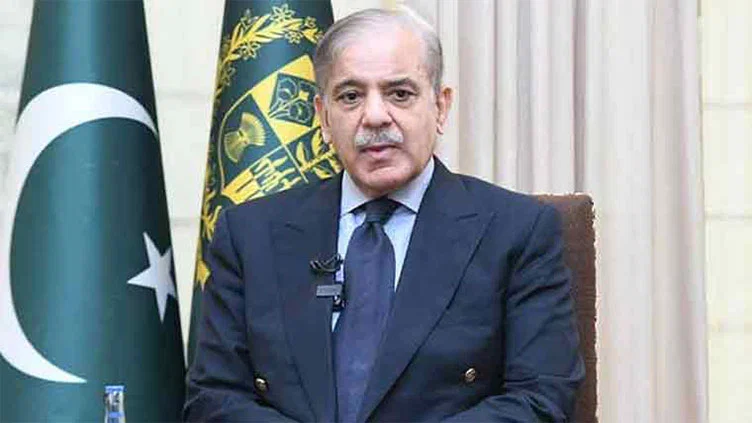
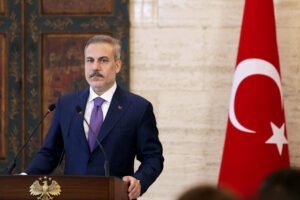
Deputy Prime Minister and Foreign Minister Ishaq Dar said the Pakistani leadership warmly welcomed the Iranian delegation and emphasized dialogue as the cornerstone of peace. He noted that Pakistan remains committed to constructive diplomatic engagement aimed at ensuring stability both regionally and globally.
The meeting was attended by key members of Pakistan’s civil and military leadership, including Interior Minister Mohsin Naqvi and Chief of Army Staff Field Marshal Syed Asim Munir, highlighting the strategic importance Islamabad attaches to its relationship with Tehran.
Officials said both sides conducted a detailed review of regional developments, particularly the escalating tensions in the Middle East. With geopolitical uncertainties rising, Pakistan and Iran stressed the need for closer coordination and sustained consultations to avoid further instability.
Araghchi’s engagement with Prime Minister Sharif followed his earlier meeting with Army Chief Asim Munir, marking the beginning of a series of high-level interactions during his visit. The discussions signaled a unified approach between Pakistan’s civilian and military leadership on key foreign policy matters.
Diplomatic sources indicated that the Iranian foreign minister’s visit is part of a broader regional outreach strategy by Tehran. Iran is actively engaging neighboring and regional countries to build consensus and enhance cooperation amid shifting geopolitical dynamics.
Pakistan and Iran share a long border and maintain regular diplomatic and security coordination, particularly on issues such as border management, trade, and regional peace. Both countries have historically supported dialogue-driven solutions to conflicts in the broader region.
Analysts say the timing of the visit is significant, as tensions in the Middle East continue to rise, increasing the urgency for regional powers to align their diplomatic strategies. Islamabad’s engagement with Tehran reflects its effort to maintain balanced relations while promoting de-escalation.
Looking ahead, officials expect further diplomatic exchanges between the two countries, along with potential visits to other regional capitals by Iranian leadership. These efforts aim to strengthen multilateral cooperation and prevent the escalation of conflicts that could impact regional stability.
About The Author