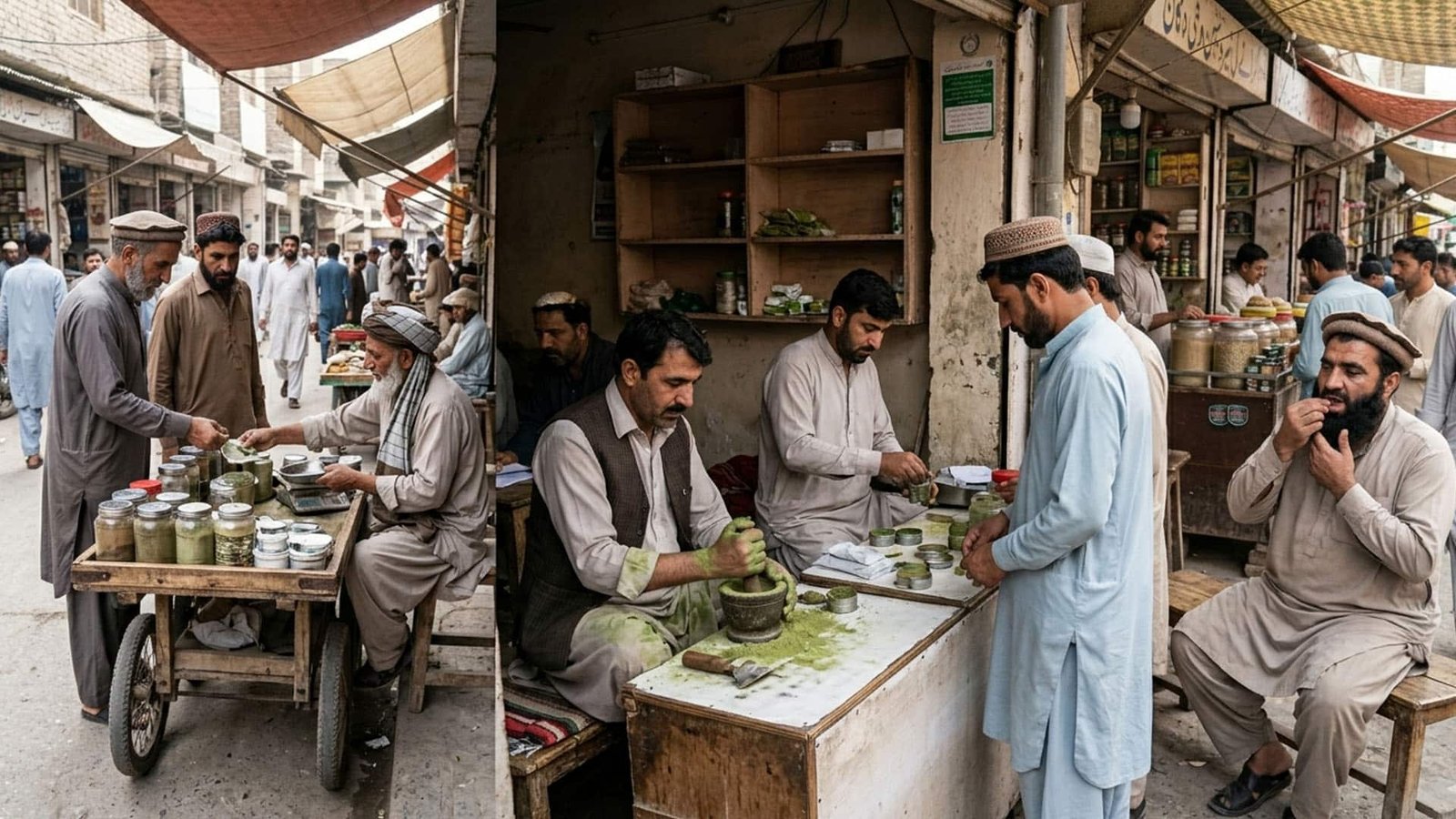

Draft law proposing strict regulation of naswar production and sale faces procedural delay over departmental jurisdiction concerns
Khyber Pakhtunkhwa’s legislative process on regulating naswar has encountered an early procedural challenge after the provincial assembly secretariat raised legal objections to a private member’s bill aimed at controlling the substance’s production and sale.
The draft legislation, titled “Naswar Act 2026,” was introduced by Pakistan Muslim League-N lawmaker Aamna Sardar. It seeks to establish a comprehensive regulatory framework governing the manufacturing, distribution, and retail of naswar across the province. However, before the bill could move forward, the assembly secretariat flagged a key issue regarding administrative jurisdiction.
According to officials, the primary concern revolves around identifying which government department would oversee implementation and enforcement of the proposed law. The secretariat has made it clear that legislative proceedings cannot proceed until this jurisdictional ambiguity is resolved. Once a relevant department is designated, the law department will conduct a detailed legal review and issue a final opinion.
Key Provisions and Legal Concerns
Despite the procedural pause, the proposed bill outlines a stringent regulatory regime. It calls for mandatory licensing for all entities involved in the production and sale of naswar, making any unauthorized activity a punishable offense. Violators could face fines of up to Rs30,000.
The draft also emphasizes public health and safety measures. It recommends that naswar be sold only in sealed and secure packaging, aiming to standardize quality and reduce potential health risks associated with unregulated products.
In addition, the bill proposes strict restrictions on sales near sensitive locations. The sale of naswar would be completely banned within a 100-meter radius of educational institutions, religious seminaries, and hospitals. Penalties for selling the substance to minors are significantly harsher, including fines of up to Rs50,000 and imprisonment for up to one year.
The legislation further targets public behavior by proposing on-the-spot fines of Rs1,000 for spitting naswar in public places, a common practice that raises hygiene concerns. To ensure enforcement, district administration officials would be granted authority to conduct raids, seal non-compliant shops, and take necessary action against violators.
Another notable aspect of the bill is its strict stance on advertising and promotion. It seeks a complete ban on the marketing, encouragement, and free distribution of naswar samples. The proposal also includes the establishment of a monitoring system to curb illegal sales and distribution networks.
Naswar, a form of smokeless tobacco widely used in parts of Pakistan, particularly in Khyber Pakhtunkhwa, has long remained largely unregulated compared to other tobacco products. Public health advocates have frequently raised concerns about its health risks and the absence of standardized controls.
The current delay underscores the complexities of legislative processes, especially when regulatory overlap exists between departments such as health, industries, and local government. Determining clear jurisdiction is essential for effective enforcement and policy coherence.
While the bill reflects growing awareness around public health and regulation, its future now depends on administrative clarity. Only after the relevant department is identified and legal vetting is completed will the proposed Naswar Act 2026 move forward in the provincial assembly.
The development highlights both the intent to regulate a widely used substance and the bureaucratic hurdles that often shape policymaking in Pakistan.
About The Author