
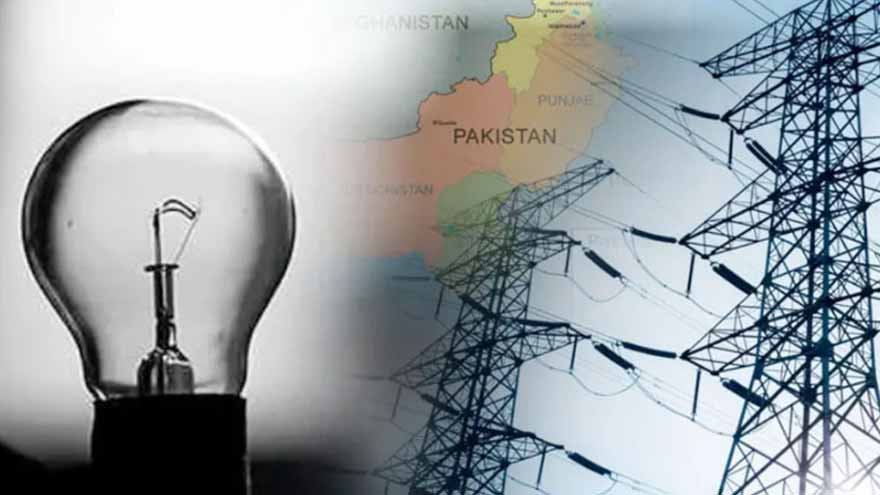

Pakistan’s Power Division says no load management was carried out during peak hours on April 29 night, while highlighting gains from hydropower and local gas despite ongoing LNG shortages.
Pakistan’s energy authorities have claimed a rare moment of stability in the country’s power supply, stating that no load management was carried out during peak hours on the night of April 29—a development that may signal short-term relief for consumers amid ongoing energy challenges.
According to a spokesperson for the Power Division Pakistan, electricity demand was fully met during peak hours without enforced outages. The announcement comes as authorities attempt to balance supply constraints with rising seasonal demand.
The spokesperson revealed that hydropower generation reached 6,000 megawatts, contributing significantly to the national grid. Pakistan’s total hydropower capacity stands at 11,500 megawatts, indicating that the country is currently utilizing just over half of its installed potential.
Officials also credited increased electricity production to the supply of local gas to power plants, which has helped offset some of the shortfall. Enhanced availability of hydropower and domestic gas improved grid stability, particularly in southern regions, enabling an additional 100 megawatts to be integrated into the system.
Transmission capacity from southern Pakistan also saw improvement, with up to 500 megawatts successfully added to the national grid, further strengthening overall supply during high-demand periods.
However, the situation remains complex. The Power Division acknowledged that economic load management is still being enforced on feeders with high losses. Officials clarified that this targeted approach is separate from peak-hour load management and is designed to reduce inefficiencies in the distribution system.
A major concern continues to be the shortage of liquefied natural gas (LNG), which has rendered power plants with a combined capacity of 4,700 megawatts inactive. The global LNG supply crunch has significantly constrained Pakistan’s ability to fully utilize its thermal generation capacity.
Authorities expressed optimism that the situation could improve if LNG supplies stabilize and water outflows increase, which would enhance hydropower generation. In such a scenario, officials believe the nighttime electricity shortfall could be eliminated.
The update highlights a fragile balance in Pakistan’s power sector where incremental gains from local resources are providing temporary relief, but structural challenges like fuel shortages and distribution inefficiencies continue to pose risks to long-term stability.
About The Author