

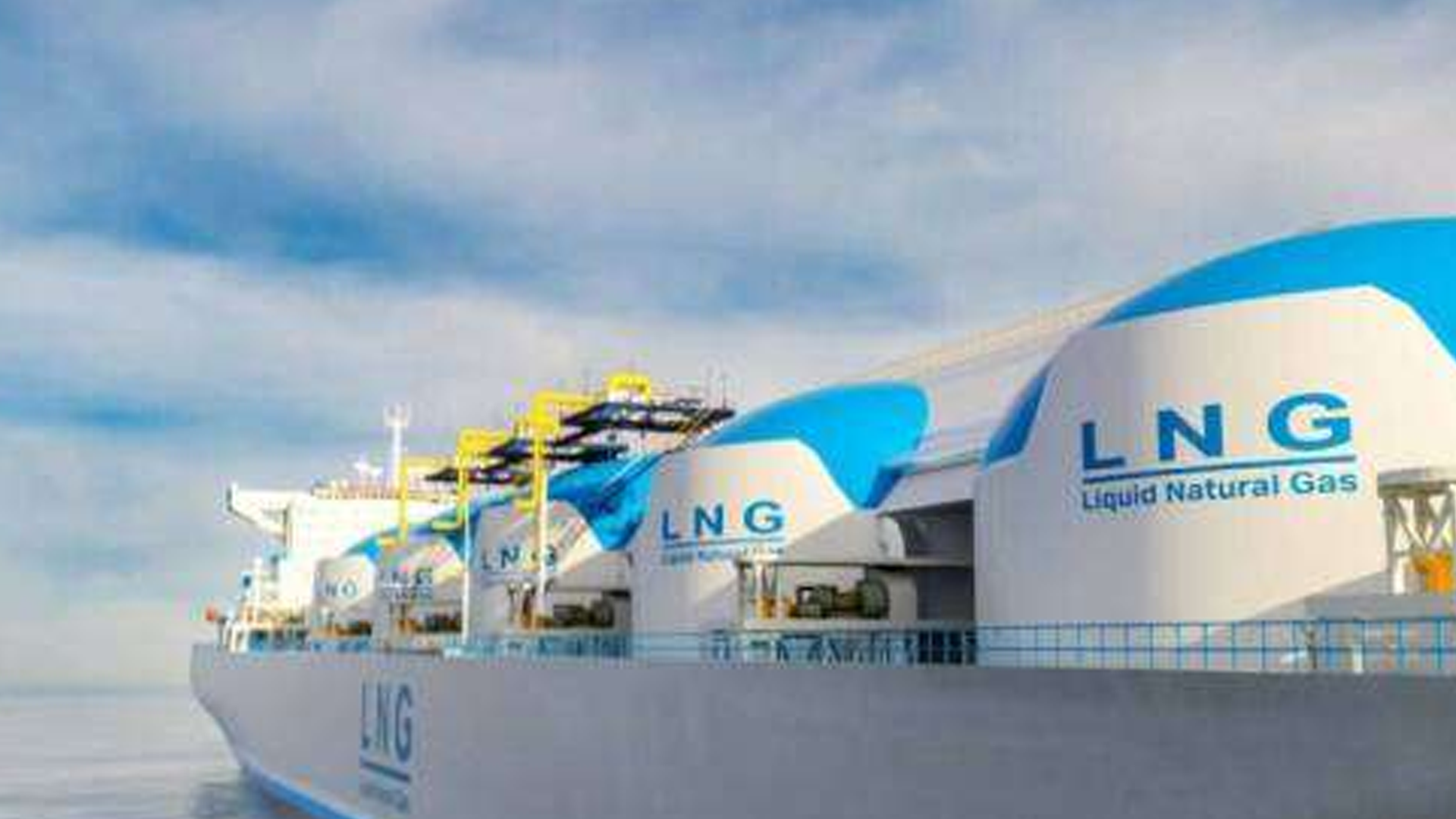

Severe LNG shortage strains national power system as supply gaps widen during peak hours
Pakistan is facing a renewed energy challenge as the ongoing LNG crisis in Pakistan continues to disrupt electricity generation, with officials confirming that power production from plants totaling around 5,000 megawatts has been significantly affected due to limited fuel availability.
According to the spokesperson for the Power Division, the unavailability of liquefied natural gas has reduced operational capacity at multiple power plants, contributing to a persistent electricity shortfall across the country. The situation has added pressure to an already strained energy system during peak demand hours.
Officials reported that during the night of April 27, the power situation showed mixed performance across different energy sources. Hydropower generation from Tarbela Dam increased to around 6,000 megawatts due to higher water outflows, providing temporary relief to the national grid. However, Pakistan’s total hydropower capacity stands at approximately 11,500 megawatts, indicating significant unused potential depending on water flow conditions.
In addition to hydropower contributions, some improvement was observed as certain gas-fired plants received limited local gas supplies, helping stabilize output slightly. Around 500 megawatts of electricity was also transmitted through the southern grid system to support demand in high-pressure regions.
Despite these measures, controlled load management was implemented for one to two hours during peak consumption periods to balance demand and supply. Authorities maintained that load management remained within controlled limits compared to overall demand requirements.
The Power Division spokesperson also highlighted operational concerns at the Dhabeji pumping station, where a temporary power breakdown raised fears of possible disruptions in water supply services, further underscoring the broader impact of the energy instability.
Officials remain cautiously optimistic that improvements in LNG availability and favorable water discharge patterns during nighttime hours could help eliminate or significantly reduce the current electricity shortfall. However, energy experts warn that without consistent LNG imports and improved fuel planning, the power sector may continue to face periodic disruptions.
The situation reflects Pakistan’s broader structural energy challenges, where dependency on imported LNG and fluctuating hydropower output continue to create volatility in national electricity supply.
About The Author