
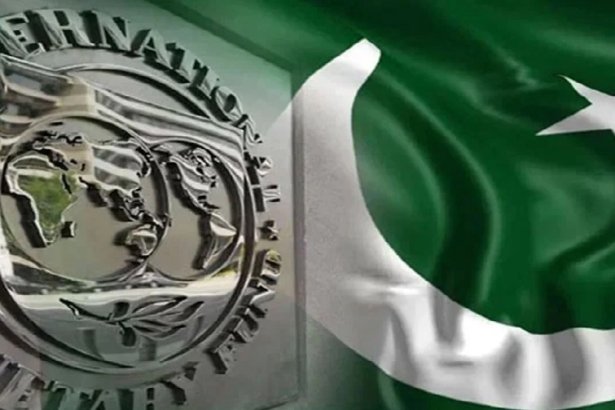

Pakistan has secured a major diplomatic and economic breakthrough after the International Monetary Fund (IMF) executive board praised Islamabad’s reform programme and approved fresh financial support despite strong objections from India during a crucial board meeting earlier this month.
According to officials familiar with the discussions, the IMF board described Pakistan’s recent economic performance under the ongoing reform programme as “exceptional,” reflecting growing international confidence in the country’s economic management and fiscal discipline.
The IMF executive board on May 8 approved the release of a $1.1 billion tranche under Pakistan’s Extended Fund Facility (EFF), along with an additional $220 million under the Resilience and Sustainability Facility (RSF), which focuses on climate resilience and long-term economic sustainability measures.
Sources said IMF First Deputy Managing Director Nigel Clarke, who chaired the session, commended Pakistan’s implementation of programme conditions and acknowledged progress made in stabilising the economy after months of financial uncertainty.
During the meeting, India reportedly opposed the approval process and repeated allegations that IMF assistance could indirectly support Pakistan’s defence spending. However, officials said the objections failed to gain support because no evidence was presented before the board.
IMF representatives reportedly maintained that the programme funds are strictly designated for balance-of-payments support, economic stabilisation and climate-related reforms under the RSF framework. Despite India voting against the disbursement, the IMF executive board approved both packages through a majority decision.
Officials aware of the meeting described it as one of Pakistan’s most positive IMF board sessions in recent years, with several directors expressing satisfaction over improvements in inflation control, fiscal management and external sector stability.
The discussions also reviewed Pakistan’s performance during the July-December 2025 assessment period. Sources said Pakistan met most major IMF targets, although concerns remained regarding revenue collection shortfalls linked to the Federal Board of Revenue (FBR).
While acknowledging improvements in macroeconomic indicators, IMF directors reportedly raised concerns over Pakistan’s narrow tax base, rising poverty and increasing unemployment. The board emphasised the need for stronger domestic revenue mobilisation and broader structural reforms ahead of the next review.
According to data from the Pakistan Bureau of Statistics, Pakistan’s poverty rate has risen to 29 percent — the highest level recorded in over a decade — while unemployment has climbed to 7.1 percent, marking a 21-year high.
The IMF also encouraged Pakistan to expand support for vulnerable households through the Benazir Income Support Programme (BISP). Officials said the board recommended increasing financial assistance and widening the programme’s coverage to reduce the burden of inflation and rising utility costs on lower-income families.
Currently, BISP supports nearly 10 million families across Pakistan, although economists argue that many middle and lower-income households continue to struggle due to inflation and taxation measures introduced under IMF-backed reforms.
Economic experts believe Pakistan’s improved standing within the IMF board could strengthen Islamabad’s position in future negotiations, particularly if external pressures such as regional instability or Middle East tensions create additional fiscal challenges.
However, analysts caution that sustainable economic recovery will depend on deeper structural reforms, including expanding exports, increasing industrial productivity, attracting foreign direct investment and reducing long-term reliance on external borrowing.
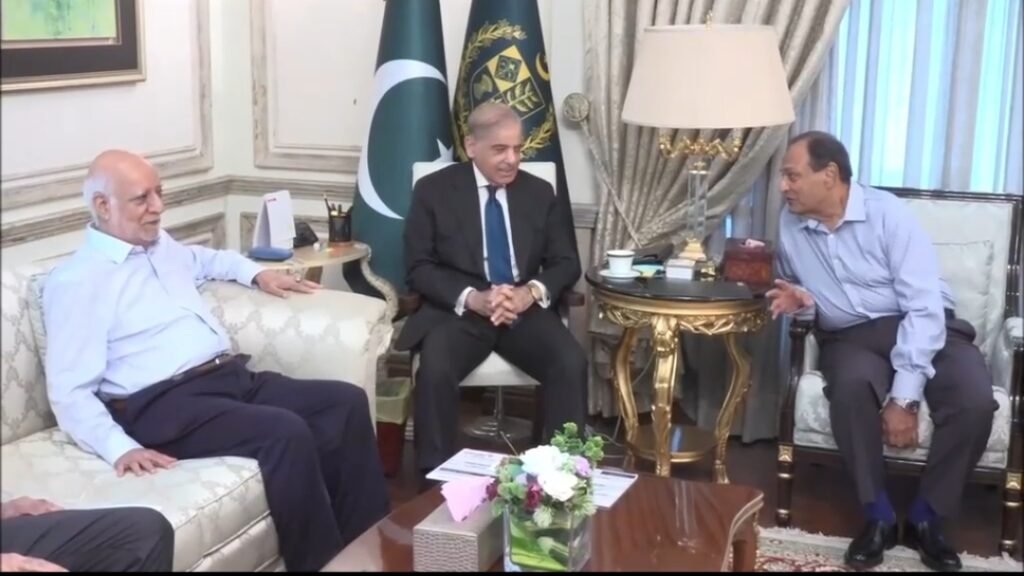
Prime Minister Shehbaz Sharif’s government has launched multiple initiatives aimed at documenting the economy and improving tax collection, but officials admit that results remain below expectations, prompting discussions over additional enforcement and administrative reforms before the next IMF review.
About The Author