

Port, customs and logistics reforms are improving cargo clearance and container handling while a Rs2.46 billion Pipri logistics project moves ahead.
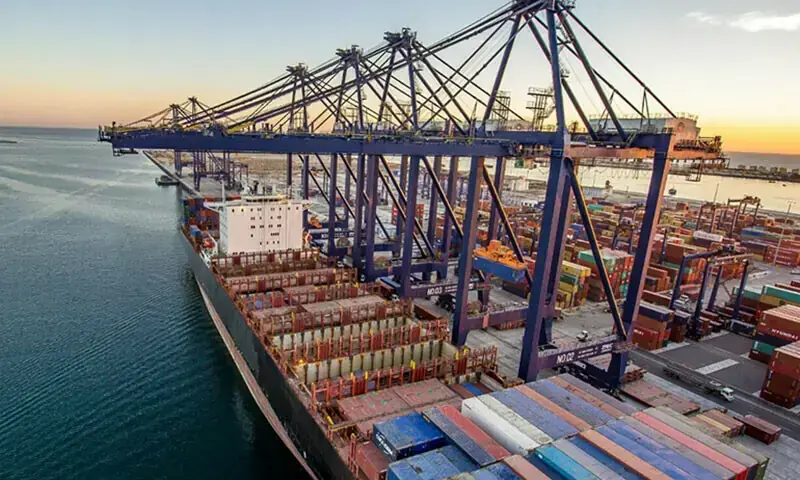
KARACHI: Pakistan’s maritime sector is undergoing a broad operational transformation as reforms led by the Prime Minister’s Task Force on Maritime Reforms bring improvements to Karachi Port Trust, Customs House, container terminals and the wider logistics network.
At Karachi Port Trust, measures aimed at improving port performance and accelerating cargo clearance have been completed. The reforms include the Green Channel, faceless processing, Goods Declaration (GD) clearance, post-clearance audit and wider customs reforms, creating a more streamlined cargo clearance mechanism.
Container handling capacity has also been strengthened at Karachi Gateway Terminal Limited through increased capacity and the installation of modern equipment. Similar modernization and operational improvements have been carried out at Karachi International Container Terminal, South Asia Pakistan Terminal and Qasim International Container Terminal.
Port Qasim has also undergone dredging, an important step for maintaining navigational capacity and supporting efficient port operations.
The Prime Minister’s Task Force on Maritime Reforms, along with the National Logistics Corporation and other relevant institutions, is playing a key role in advancing reforms across the maritime and logistics sectors.
Pipri Logistics Project
Work is also progressing rapidly on the construction of the Pipri Multi-Logistics Park under the maritime reform initiative. The project is designed to establish a modern cargo evacuation and transportation system to improve the movement of goods from the port network.
According to National Logistics Corporation Sindh Project Director Engineer Altaf Qadir Bajwa, the project is being developed in collaboration with the National Logistics Corporation and DP World at an estimated cost of Rs2.46 billion.
A 1.5-kilometer railway link is being constructed to connect Port Qasim with Karachi Port, strengthening rail-based freight movement and providing an additional transportation route for cargo.
The Pipri facility will include railway and freight infrastructure, container facilities and a multi-logistics park. The project also includes warehouses, container storage areas, vehicle parking facilities and administrative blocks.
The development is expected to strengthen the connection between Pakistan’s major ports and inland logistics infrastructure. Faster cargo clearance, improved terminal capacity and expanded rail and freight facilities could help reduce delays and make the movement of imported and exported goods more efficient.
As work continues on the Pipri project and other maritime reforms, the focus remains on building a more integrated port and logistics system capable of supporting growing trade activity and improving Pakistan’s overall supply-chain efficiency.
About The Author